
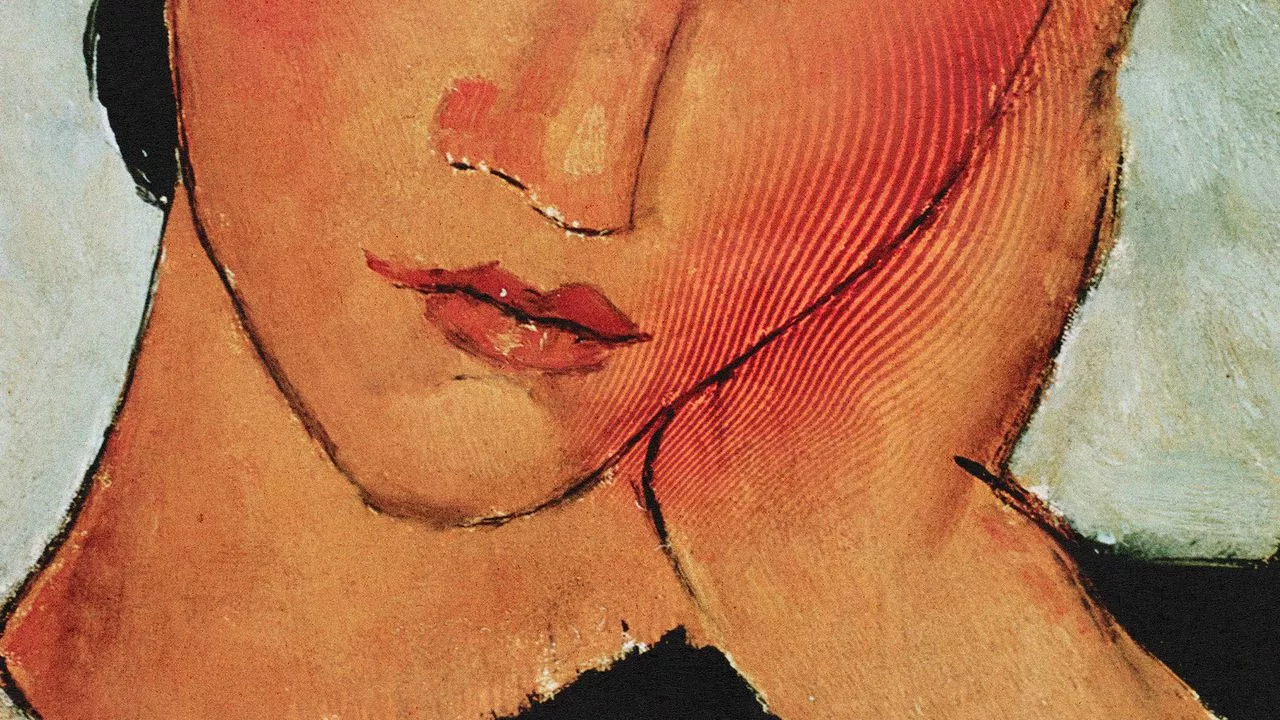
A woman's struggle with severe jaw clenching led her to discover a rising trend of stress-induced dental damage. From high-tech muscle stimulation to spinal realignments, she explored various medical and holistic paths to manage the physical toll of modern anxiety.
Why diamond-hard crowns are cracking since the COVID-19 pandemic
Dental professionals are noticing a shift in the types of patients entering their clinics. As reported in the source text, a Los Angeles endodontist observed that clenching and grinding calamities are becoming more common than the traditional cavities that once dominated the field. This trend has escalated since the COVID-19 pandemic, with some patients cracking through fillings and crowns made of materials designed to be diamond-hard.
This phenomenon suggests a collective increase in subconscious tension. While many turn to night guards to prevent this damage, sports medicine chiropractor Jenna Lagana, DC, suggests that these devices can sometimes compound the issue. According to the report, some jaws will instinctively grip any object presented to them, even unconsciously, potentially worsening the clenching cycle.
From masseter Botox to Emface electromagnetic waves
As the prevalence of bruxism grows, a new market of interventions has emerged. Some practitioners are considering masseter Botox injections to temporarily paralyze the jaw's largest muscle for repeat offenders. Other options include Emface, a device using electromagnetic waves to retrain overactive facial muscles through 20-minute sessions of painless spasms.
Beyond clinical devices, some are turning to fascial maneuver coaching—a form of bodywork targeting connective tissue—to release deep-seated tension. These varied approaches highlight a desperate search for relief as traditional dental fixes fail to address the underlying muscular hyperctivity.
The 'stiff upper lip' mentality and women's boundary struggles
The physical act of clenching is often a manifestation of psychological pressure. Integrative and functional medicine expert Sarah Corey, ND, suggests that societal messaging about being "unflappable" or maintaining a "stiff upper lip" encourages people to hold strain in their jaws. Corey specifically notes that for women, this often relates to a lack of boundaries or things left unsaid.
This chronic stress keeps the body in "sympathetic overdrive," preventing the nervous system from resetting and increasing cortisol levels. To counter this, Corey recommends omega-3s for joint health, magnesium glycinate for sleep, and a specific breathwork technique: inhaling for four seconds, holding for seven, and exhaling for nine to force the body into a parasympathetic state.
How 'tech neck' and spinal dysregulation trigger jaw pain
The source reveals that jaw issues are often not localized to the head but are symptoms of systemic postural failure . Dr. Annie Issagholyan of Glendale’s Healthwise Chiropractic clinic explains that "tech neck"—the forward tilt of the head while looking at devices—puts exponential pressure on the spine, which then manifests as dysfunction in the jaw, shoulders, and hips.
Issagholyan notes that two-thirds of her patients visit her for jaw dysregulation. Her approach involves a comprehensive 24-session plan that combines chiropractic adjustments, cold-laser therapy for cellular regeneration,and electrode stimulation for back muscles to correct the overall alignment of the body.
Whether a 24-session chiropractic plan offers a permanent cure
While intensive interventions can stabilize the jaw, the prospect of a permanent "cure" remains elusive. Dr. Annie Issagholyan compares jaw health to fitness, noting that one cannot simply go to the gym for three months and be "done" with health maintenance; it requires ongoing effort.
However, several questions remain regarding the accessibility of these treatments . The source does not specify the cost of the 24-session chiropractic plan or the Emface treatments, leaving it unclear if these high-end Beverly Hills and Glendale interventions are viable for the average person suffering from stress-grinding.. Furthermore , it remains unverified if the 4-7-9 breathing method provides long-term relief compared to clinical interventions.
Comments 0