
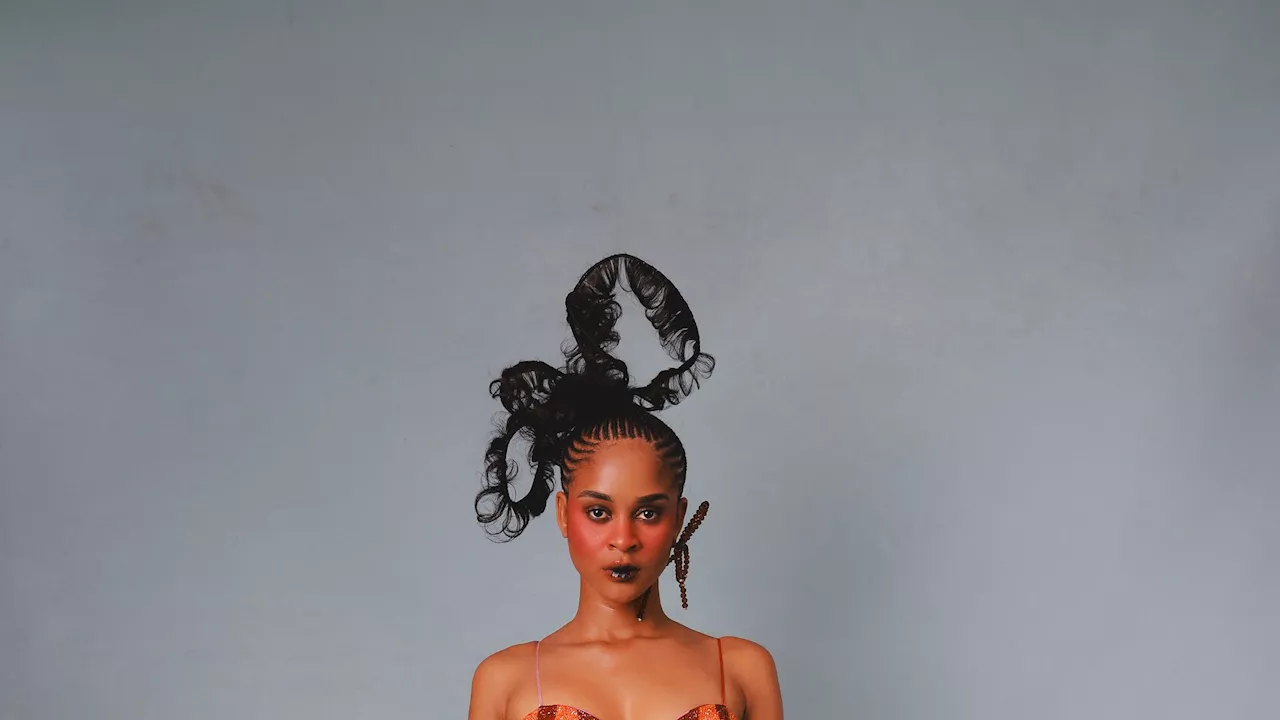
Lisa Folawiyo returned to Lagos Fashion Week. Her 'After Rain' debut featured a candle-lit dinner at White Space, marking her first official appearance since 2019.
A candle-lit dinner and orchestral pop at White Space
The designer's return to the runway was more than a standard fashion presentation; it was a highly curated, multi-sensory experience held at the White Space creative studio. As the report describes, guests were treated to a candle-lit dinner where models walked a makeshift runway between four different courses of food. The setting featured mirrored tables adorned with handwoven flowers, creating an atmosphere of high-concept craft.
As the lights dimmed and orchestral pop music began to play, the models emerged to showcase the collection, turning a formal meal into a theatrical performance. This immersive approach highlights the growing trend of fashion shows evolving into holistic lifestyle events that blend dining, music, and art.
Rejecting the Western four-season calendar for a tropical reality
For decades, the global fashion industry has been dictated by a rigid four-season cycle—Spring, Summer, Autumn , and Winter—that often feels disconnected from the climates of the Global South. Lisa Folawiyo is using her "After Rain" collection to challenge this hegemony. Because Nigeria primarily experiences only two distinct seasons—the rainy season and the dry season—the traditional Western calendar can feel like an ill-fitting garment for local designers.
According to the source, Folawiyo's main objective was to "coin our season" by focusing on the vibrant life that emerges once the rains subside. She noted during an interview in her studio that everything following the rain is characterized by color and sunshine, which serves as the core identity of her brand. this shift represents a broader movement within African fashion to reclaim cultural and environmental agency, moving away from Eurocentric templates toward a more authentic expression of local life.
Raffia weaving and animal prints in the "After Rain" collection
The collection itself introduced several new elements to the Folawiyo brand, most notably its first foray into animal prints including snake, leopard,and zebra patterns. The craftsmanship was a central focus, with pieces that initially appeared to be knitwear but were actually revealed to be intricately woven strands of dyed raffia.
Standout pieces from the show included a black embellished lace dress, a fully beaded patchwork dress accented with feathers, and a striking raffia zebra set. The report notes that these items were created in Folawiyo's studio,where artisans were seen hand-beading the collection, highlighting a commitment to traditional cratfsmanship that has sustained her business for nearly 20 years. This blend of modern print and ancient technique underscores her creative evolution.
Will the "After Rain" model influence the Lagos fashion calendar?
While the collection was a successful personal statement, several questions remain about the broader impact of Folawiyo's approach.. It is currently unclear if this "coined season" will lead to a permanent shift in how Nigerian designers schedule their collections, or if it will remain a singular,symbolic gesture.
Furthermore, the report does not specify how these new, climate-specific collections will be distributed to a global audience accustomed to the standard seasonal rhythm. We are also left wondering if other major players at Lagos Fashion Week will adopt smiilar seasonal logic to better reflect the West African climate , or if the industry will continue to prioritize the Western calendar.
Comments 0