
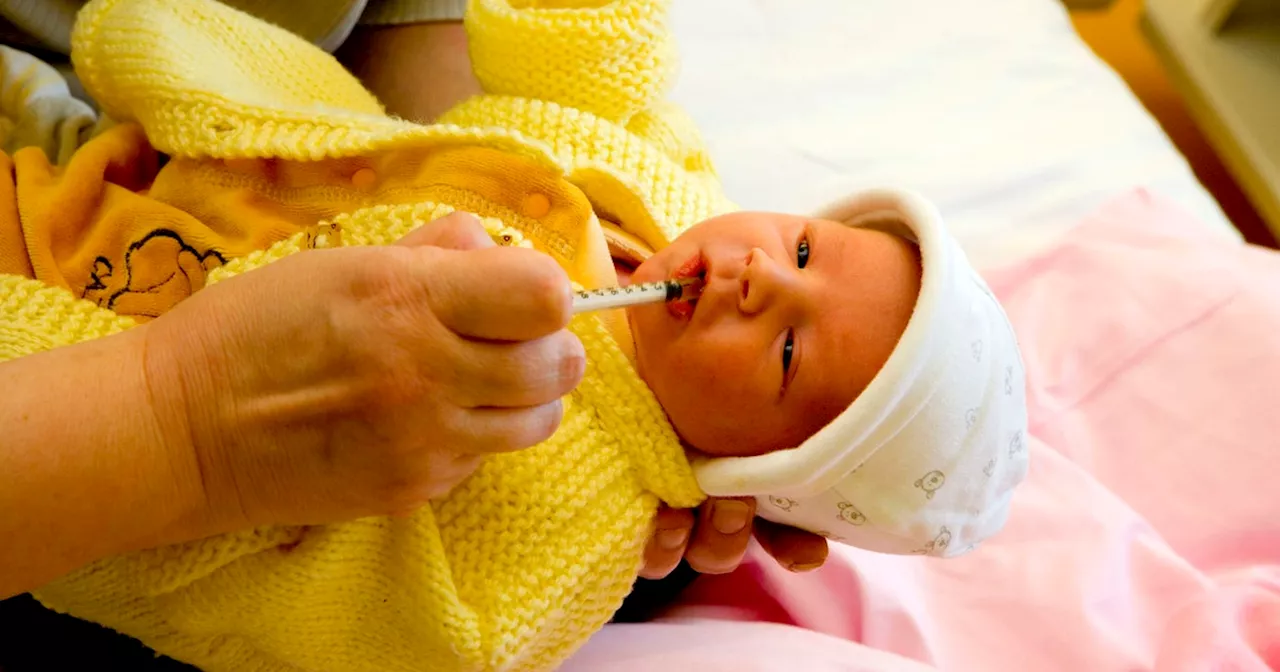
Recent research published in JAMA and JAMA Pediatrics indicates a surge in US parents refusing newborn vitamin K injections. This trend is directly linked to a sharp increase in life-threatening bleeding episodes among infants since 2017.
The 77 percent jump in vitamin K refusals since 2017
Medical adherence for newborn care is slipping at an accelerating pace across the United States. According to a December 2024 study by Dr. Kristan Scott and colleagues at the Children's Hospital of Philadelphia,more than 5 percent of US babies missed their vitamin K shot in 2024, marking a 77 percent increase in refusals since 2017.
The scale of this shift is further evidenced by data in JAMA, which analyzed records from over 5.2 million infants born between 2017 and 2025.. The report says the rate of newborns who did not receive the injection more than doubled,rising from 3.1 percent in 2017 to 6.8 percent by 2025. this trend has only intensified recently; a Truveta analysis of 1 million births found that refusals jumped by more than 57 percent in the first half of 2026 alone.
A 47 percent higher risk of bleeding for babies without the shot
The clinical consequences of these refusals are severe, as newborns lack the essential nutrients required for blood clotting. Research led by Dr. Steven Woolf at Virginia Commonwealth University, which examined 11 million infants, found that the rate of vitamin K deficiency bleeding nearly quadrupled over the study period, resulting in 5,217 bleeding events.
The statistical risk for non-vaccinated infants is stark. babies who did not receive the vitamin K shot faced a 47 percent higher risk of bleeding within their first six months of life and more than twice the risk of suffering a brain bleed. The research team calculated that for every 114 newborns who skip the shot, one additional bleeding event occurs, with some infants facing a higher risk of death during their initial hospital stay.
How Robert F. Kennedy Jr.’s leadership correltaes with declining newborn care
This medical decline is not happening in a vacuum but is part of a broader erosion of trust in public health that mirrors the rise of vaccine hesitancy. Dr. Elizabeth Wolf of the Children's Hospital of Richmond compared the current vitamin K trend to recent measles outbreaks, suggesting that preventable diseases are returning because parents no longer trust medical professionals.
The acceleration of these refusals has coincided with the tenure of Health Secretary Robert F. Kennedy Jr., who has spent decades questioning vaccine safety. While the US Department of Health and Human Services maintains that the CDC still recommends the shot, the administration's mixed messaging and RFK Jr.'s removal of several childhood vaccine recommendations have created a climate of doubt that extends to routine newborn interventions that have been the standard of care since 1961.
Why the CDC still doesn't track vitamin K refusal rates
Despite the clear spike in infant bleeding , a critical gap remains in how the US government monitors these events. A spokesperson for the US Department of Health and Human Services confirmed that the Centers for Disease Control and Prevention (CDC) does not currently track the specific rates of vitamin K refusals or the resulting bleeding events.
This lack of official surveillance means that the medical community is relying on third-party studies and private data firms like Truveta to understand the scope of the crisis. It remains unclear if the CDC will implement a formal tracking system to combat the trend or if the government will continue to rely on retrospective academic research to identify public health failures.
Comments 0