
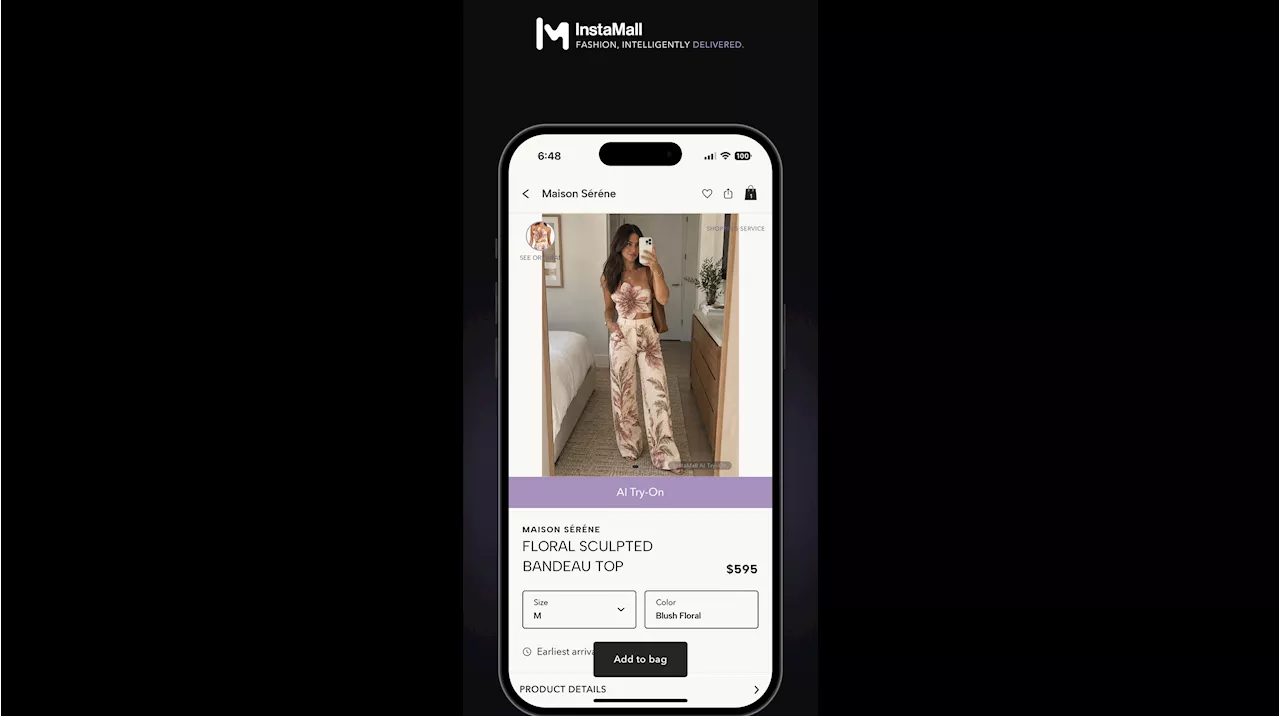
A new AI-driven shopping platform called Instamall is debuting in Miami this Monday. The service aims to connect shoppers with live inventory from 80 luxury and contemporary brands for rapid, local delivery.
90-minute luxury delivery via Miami's local boutiques
The delivery process relies on existing local store inventory rather than centralized warehouses. According to the report , once a customer places an order, a sales associate at a local boutique confirms the item and drops it at a designated mall checkpoint. From there, an unnamed major last-mile delivery company ensures the package reaches the customer within 60 to 90 minutes.
This model represents a significant shift in how we interact with high-end retail, moving away from the traditional multi-day shipping cycle. By leveraging what is already sitting on shelves in your neighborhood, Instamall is attempting to brige the gap between digital browsing and physical ownership with unprecedented speed.
A rapid expansion from Florida to New York and L.A .
CEO Elliot Aboud intends to scale the service aggressively across the United States. He stated that the company plans to be active throughout Florida within two to three months, followed by launches in New York , Los Angeles, and Texas. The ultimate goal is a nationwide rollout within approximately six to seven months.
The company is backed by high-profile industry figures, providing a level of institutional weight to the startup. The report mentions that the business has drawn support from the family of Stéphane Bianchi, the managing director of LVMH, as well as the Saudi Arabian mall group Cenomi Centers.
AI stylists and the battle for brand visibility
Future iterations of the app will include advanced AI-powered tools to enhance the shopping experience. these features include an AI stylist and a virtual try-on tool, both of which Aboud noted may eventually require a paid subscription for users.
The platform also plans to function as a digital marketplace where brands compete for consumer attention through advertising. As the report states, retailers will be able to pay for placement similar to Google or Instagram ads, allowing brands like Alo to compete for visibility against competitors like Lululemon or Vuori.
The unnamed delivery partner and the shift from free service
Several logistical and financial details remain unverified as the app prepares for its debut. While the service and delivery are currently free to build momentum, the company intends to introduce various revenue streams, including delivery and convenience fees, in the fuutre.
The report also notes that Aboud declined to name the specific "one of the largest last mile delivery companies in the world" that will handle the app's logistics.. Additionally, while the company maintains a "mean and lean" team of roughly seven to eight developers, it remains to be seen how this small group will manage the technical demands of a rapid national expansion.
Comments 0