
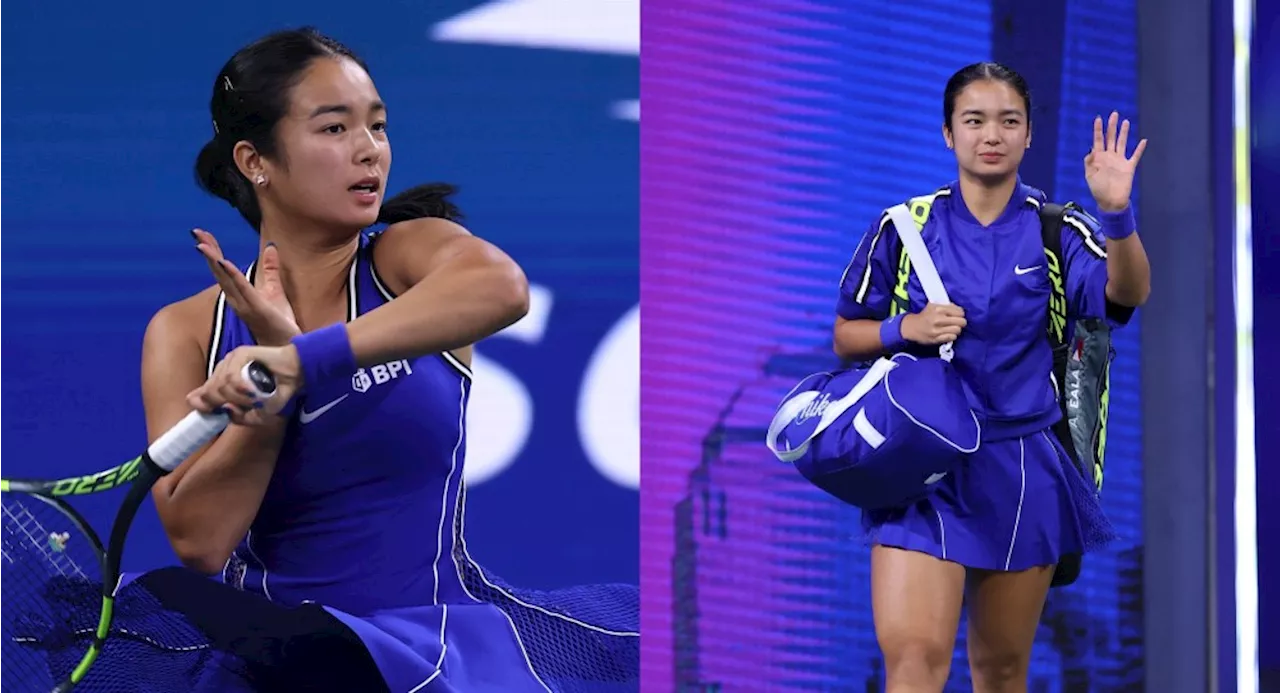
Filipino tennis phenom Alex Eala is making waves at the U.S. Open, currently ranked 18th in the world. Beyond her athletic prowess, the stylish professional is capturing global attention through her distinct fashion sense and a massive social media following.
The rare Nike sponsorship that includes BPI and Globe Telecom logos
Alex Eala is breaking the traditional mold of tennis branding. While most Nike-sponsored athletes stick strictly to the iconic Swoosh, Eala has secured the right to display logos for BPI and Globe Telecom near her neckline, a rarity for athletes under the Nike umbrella.. This commercial power is backed by significant financial momentum; according to the report, Eala earned $907,777 last year, with Forbes estimating her sponsorship earnings exceed $5 million.
Her visual identity is as striking as her professional ranking. eala favors bold, unexpected color palettes, including royal blue, granny apple green, and combinations like mauve and burgundy. This "must-watch" aesthetic extends to her digital life, where her nearly 2 million Instagram followers see her alternating between high-fashion moments and casual snaps in Times Square.
From sold-out Filipino food in Toronto to 'Eala-mania'
The "Eala-mania" phenomenon is creating a tangible economic and cultural ripple effect far beyond the tennis court. during the National Bank Open in Toronto, the sudden interest in the player led to Filipino cuisine selling out in the food court, prompting organiers to add more options the very next night, as the report notes.
This surge in popularity serves as a massive point of pride for the Philippines' 117.87 million residents. Designer Eugenia Kim noted that the U.S. Open is often an "underdog place," making Eala's rise particularly resonant. The player's ability to represent an "underserved nation" in the tennis world has turned her into a global ambassador for Filipino talent and culture.
A 12-year-old's move to Mallorca to chase the pro tour
Eala's path to the top involved a high-stakes move at a very young age. At just 12 years old, she left the Philippines to attnd the Rafa Nadal Academy in Mallorca, Spain, to access higher-level coaching and competition. This transition required her to navigate a new language and culture to pursue her professional dreams.
Her ability to blend tradition with modern flair was evident at the Laureus Sports Awards in Madrid. Working with her uncle,designer Rhett Eala, she helped design a modern Filipiniana outfit using Piña—a luxury fabric woven from pineapple leaf fibers. The design featured traditional butterfly-shaped terno sleeves but included a removable top so the Gen Z athlete could dance, proving she is as much a tastemaker as she is a competitor.
The unverified GCash joke and the limits of 'Eala-mania'
Despite her polisheed image, Eala is deeply connected to internet culture through local memes. One such unverified joke suggests she might be one of the first international athletes to use GCash, the ubiquitous mobile payment app in the Philippines. While the internet has embraced her, these claims remain purely speculative and part of the digital folklore surrounding her rise.
As her fame continues to rocket,questions remain about how she balances her growing fashion empre with the grueling demands of the professional tennis circuit. While stylist Blake Samson-Reissy described her as "grounded" and "decisive," the sheer scale of her sudden global stardom leaves many wondering how she will manage the immense pressure of being a national icon while competing on the world's biggest stages.
Comments 0