
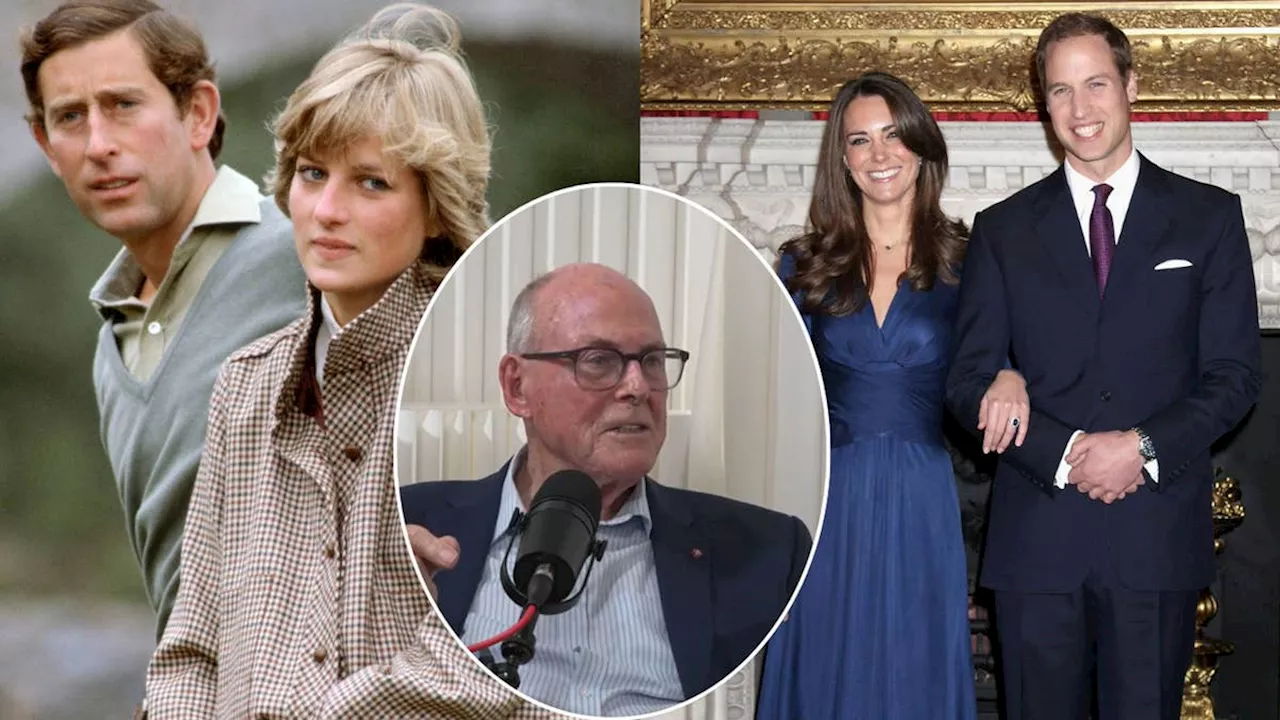
Veteran photographer Arthur Edwards is reflecting on five decades of documenting the British Royal Family. In a recent interview on the Right Royal Podcast, the man behind some of the monarchy's most iconic images shared stories from his new memoir, 50 Years Behind the Lens.
The taxi drivers who called him an 'assassin' in Paris
The emotional weight of photographing the monarchy is perhaps most evident in the stories surrounding the death of Princess Diana. According to the Right Royal Podcast, Edwards was dispatched to Paris via a chartered flight from Heathrow immediately after the accident occurred. The experience was marked by intense public hostility; Edwards recalls that several taxi drivers refused to transport him, labeling him an "assassin" or a "killer" due to the presence of the press at the scene.
This era of royal photography was defined by a level of scrutiny that often blurred the lines between journalism and intrusion. edwards noted the profound grief he felt while capturing images of the Princess's sisters, even choosing not to publish certain shots of them in their most vulnerable moments. This tension between the public's demand for images and the private reality of grief has been a recurring theme in the history of the British press corps.
A muddy field and a cup of tea with King Charles
While the public often sees a formal version of the monarch, Arthur Edwards describes a much more approachable side of King Charles III. During an emergency helicopter landing in a field following a storm, Edwards found himself in a house with muddy footprints across the white carpet. Instead of a formal reception, the King offered him a cup of tea and a Duchy Original biscuit, leading to a casual hour-long conversation about everything from Norwegian holidays to sovereign funds.
This anecdote serves as a window into the King's private character, which Edwards describes as deeply kind and humble. The photographer noted that his relationship with the King evolved from capturing unflattering shots of his polo matches to recognizing him as a "special" and "great man." This shift reflects a broader pattern of the public slowly coming to understand the King's long-term dedication to his various causes.
The £4 million Jewish relief project King Charles kept out of the headlines
The King's philanthropic efforts often occur far from the glare of the paparazzi. Edwards highlighted a specific instance in Kraków, Poland, where the King's involvement with World Jewish Relief helped address the lack of educational facilities for local children. Through his support and attendance at fundraising dinners, the project successfully raised £4 million to establish the Prince of Wales Centre.
Such quiet diplomacy and charity are part of a larger legacy of service that Edwards argues is often misunderstood by the public. By working behind the scenes with organizations like World Jewish Relief, the King has focused on long-term social impact rather than immediate media attention. This aspect of his role highlights a side of the monarchy that operates through influence and connection rather than just ceremony.
What remains unsaid about the 'early photo' of Catherine?
Despite the wealth of detail in the new memoir, several intriguing details remain unverified. Edwards mentioned capturing a photograph of Catherine Middleton at Sandringham years before her engagement to Prince William, noting that she was just one person in a group of university friends. However, the specific contents of that photo and the exact year it was taken are not detailed in the report.
Additionally, while Edwards discusses the unique layout of his book—which places text and images on the same page—the specific publishers involved in the project were not named. There is also the question of the full extent of the "problems" Edwards experienced with Prince Charles early in his career, a topic he touched upon but did not fully expand into a specific list of grievances.
Comments 0