
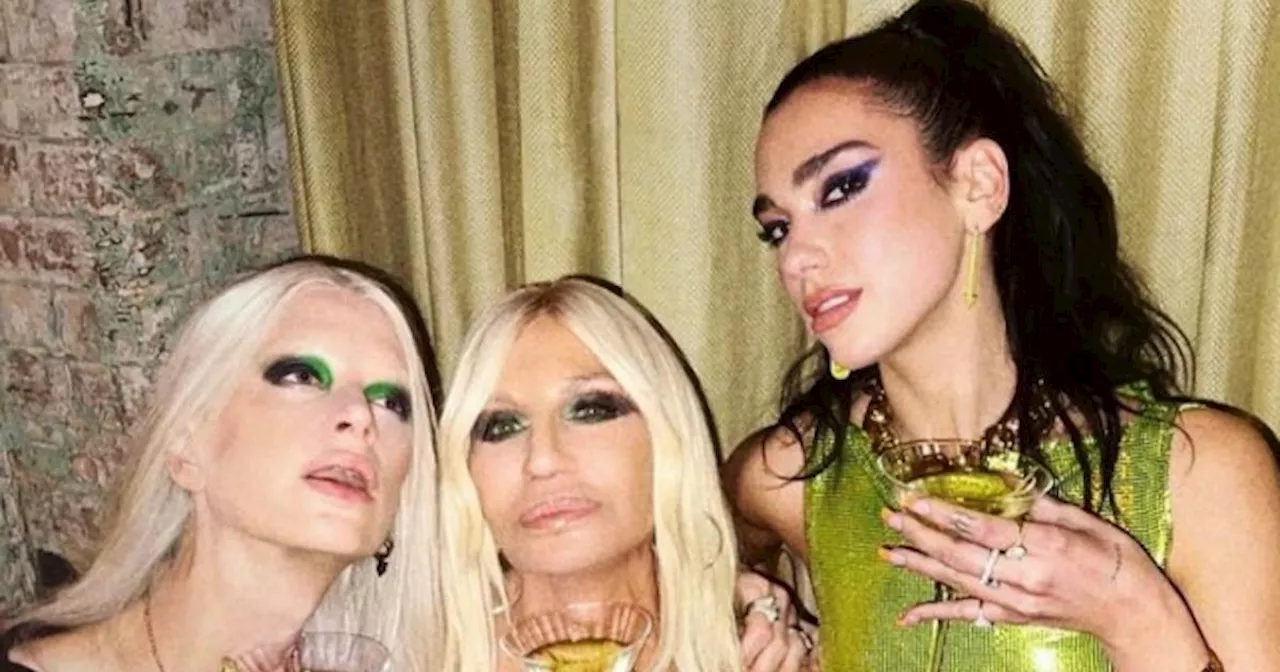
Photographer Mert Alas has positioned his SEVENTY ONE Gin as the essential accessory for the global fashion circuit. The brand's signature Golden Martini is now a staple at elite gatherings, including Met Gala after-parties, across New York, London, and Paris.
The shift from 5 AM green juices to the SEVENTY ONE Golden Martini
The fashion industry is currently experiencing a cultural pivot away from the hyper-optimized "wellness" era. For several years, the dominant aesthetic focused on early-morning workouts and immaculate skin, suggesting a lifestyle where no one stayed out late. However, as SEVENTY ONE Gin reports, the pendulum is swinging back toward the night, with a renewed appetite for darker lipstick, higher heels, and a less well-behaved version of glamour.
This transition reflects a broader movement in internet culture where the "Clean Girl" aesthetic is being challenged by a desire for more decadent, nocturnal experiences. The return to hotel bars and late-night dinners suggests that the fashion world is once again prioritizing the spontaneous moments that happen after the official runway programs conclude.
How photographer Mert Alas turned a party drink into a Fashion Week fixture
The SEVENTY ONE Golden Martini did not start as a commercial product but as a personal ritual. Created by photographer Mert Alas, the drink first appeared at his own private Fashion Week dinners before migrating to the most exclusive circles in the industry.. According to the report, the cocktail has since become a fixture at high-profile events,including the Met Gala after-party and various post-show gatherings.
By leveraging his position as a tastemaker, Mert Alas has transformed a very dry martini into a symbol of insider status. the drink is presented not merely as a menu item, but as something synonymous with the "people in the know" who navigate the frantic schedules of the global fashion calendar.
From the mosaics of 1925 Paris to Simon Kim's Midtown energy
The geography of the "it-drink" varies significantly by city, reflecting the distinct personalities of the fashion capitals. In New York, the energy is characterized by rush and movement, featuring buzzy locations like the Midtown oasis helmed by the eccentric Simon Kim. The New York scene is described as a place where the crowd is discreet and the service is seamless, catering to those who prefer to remain unidentified.
In Paris, the experience is less about efficiency and more about gathering steam in a single location. The report highlights Costes as the unofficial reunion point for the industry, alongsde a venue featuring Art Deco interiors and mosaics that has remained a beauty staple since 1925. These Parisian spots emphasize a slower, more composed retreat compared to the high-velocity nature of Manhattan.
Which 'hidden rooms' and 'discreet spots' actually serve the Golden Martini?
While the report paints a vivid picture of the nightlife circuit, several specific details remin elusive. SEVENTY ONE Gin mentions "discreet" New York spots and "hidden rooms" in Paris without naming every establishment, leaving it unclear whether these are exclusive secrets or simply omitted to maintain an aura of mystery. Additionally, the source provides a one-sided brand perspective, leaving it unverified whether other luxury spirits are seeing a similar resurgence among the fashion crowd.
The lack of a complete venue list suggests that the brand is selling a mood as much as a product. For the reader, the open question remains: is the Golden Martini truly the universal drink of the circuit, or is it a carefully curated image designed to align the brand with the prestige of the Met Gala and Paris Fashion Week?
Comments 0