

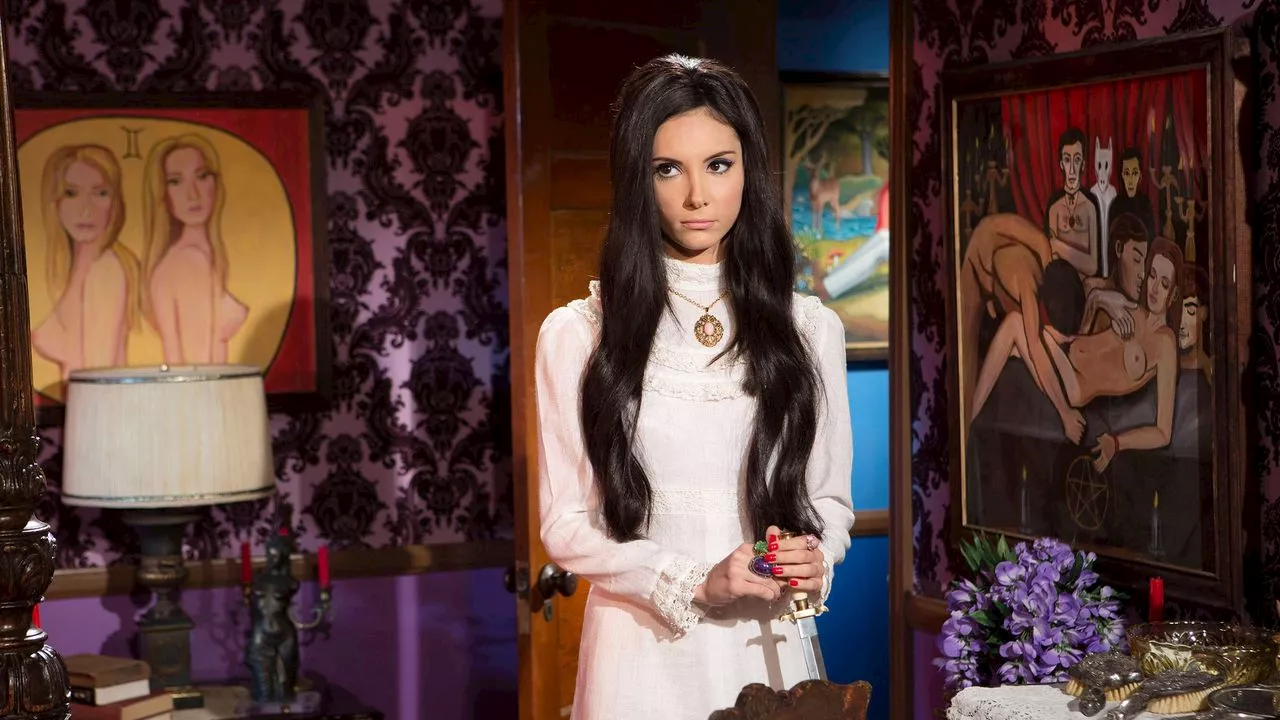
As Halloween approaches, a new wave of cult horror films is blending visceral terror with high-fashion aesthetics and digital-age anxieties.. A recent roundup of 40 essential titles highlights how modern horror is increasingly defined by its visual style and social media relevance.
From YSL to Lily-Rose Depp’s Transylvanian nightmares
The horror genre has long been a playground for high fashion, a trend that continues in modern cinematic reimaginings. According to the report, the works of Dario Argento have inspired major fashion houses like Rodarte and designers such as Nicolas Ghesquière. This intersection of blood and couture is even seen in the history of the genre, where Yves Saint Laurent designed costumes for Catherine Deneuve in a blood-soaked romance.
This aesthetic focus is clearly present in Robert Eggers’ spine-chilling reimagining of a 1922 classic. The film features Lily-Rose Depp in a role defined by sumptuous, eerie costumes crafted by Oscar nominee Linda Muir, alongside Nicholas Hoult and a campy Bill Skarsgård. By prioritizing eye-popping interior design and striking visual palettes, modern horror is proving it can be just as much a fashion statement as a fright.
The viral appeal of robot dolls and social media possession
Modern horror is increasingly leaning into the mechanics of internet fame and the anxieties of digital consumption. The report highlights a viral hit about a robot doll that performs TikTok dance moves between acts of murder, capturing the exact kind of absurdity found in online trends. similarly, an Australian possession story uses a social media craze as a central plot point, following a group of kids who film themselves interacting with an embalmed hand.
These stories use digital connectivity as a metaphor for deeper issues, such as the way possession can mirror the effects of a narcotic or a party drug. By tapping into the way we film, post, and consume content, these films bridge the gap between the silver screen and the smartphone screen.
Demi Moore, Margaret Qualley, and the pursuit of perfection
The visceral "body horror" subgenre is findnig new life through critiques of modern beauty standards and wellness culture. In a mind-bending story featuring a career-best Demi Moore, an actor deemed to be past her prime injects her body with a mysterious substance to release a younger, more perfect version of herself. This alter-ego, played by Margaret Qualley, eventually leads to a sequence where the protagonist's spine splits open.
This type of storytelling uses extreme, sometimes alarming imagery to reflect the pressures of maintaining an ideal image. As the report suggests, these films often use their strange mythologies to commeent on the very culture of wellness and social media virality that dominates our daily lives.
Will Jane Schoenbrun’s latest mind-melter enter the cult canon?
While many of these films are established hits, some are still fighting for their permanent place in horror history. The report points to Jane Schoenbrun’s latest film, starring Hannah Einbinder and Gillian Anderson, as a potential future cult classic. The film is described as a heartfelt love letter to '80s slashers, featuring a character named Little Death who returns to haunt a cinematic universe.
However, the source leaves some questions unanswered regarding the film's long-term legacy. While the "shocks and unnerving atmosphere" are noted, it remains to be seen if the specific mythology of this story will reward the kind of repeated viewings necessary to secure a spot in the permanent horror canon.
Comments 0