
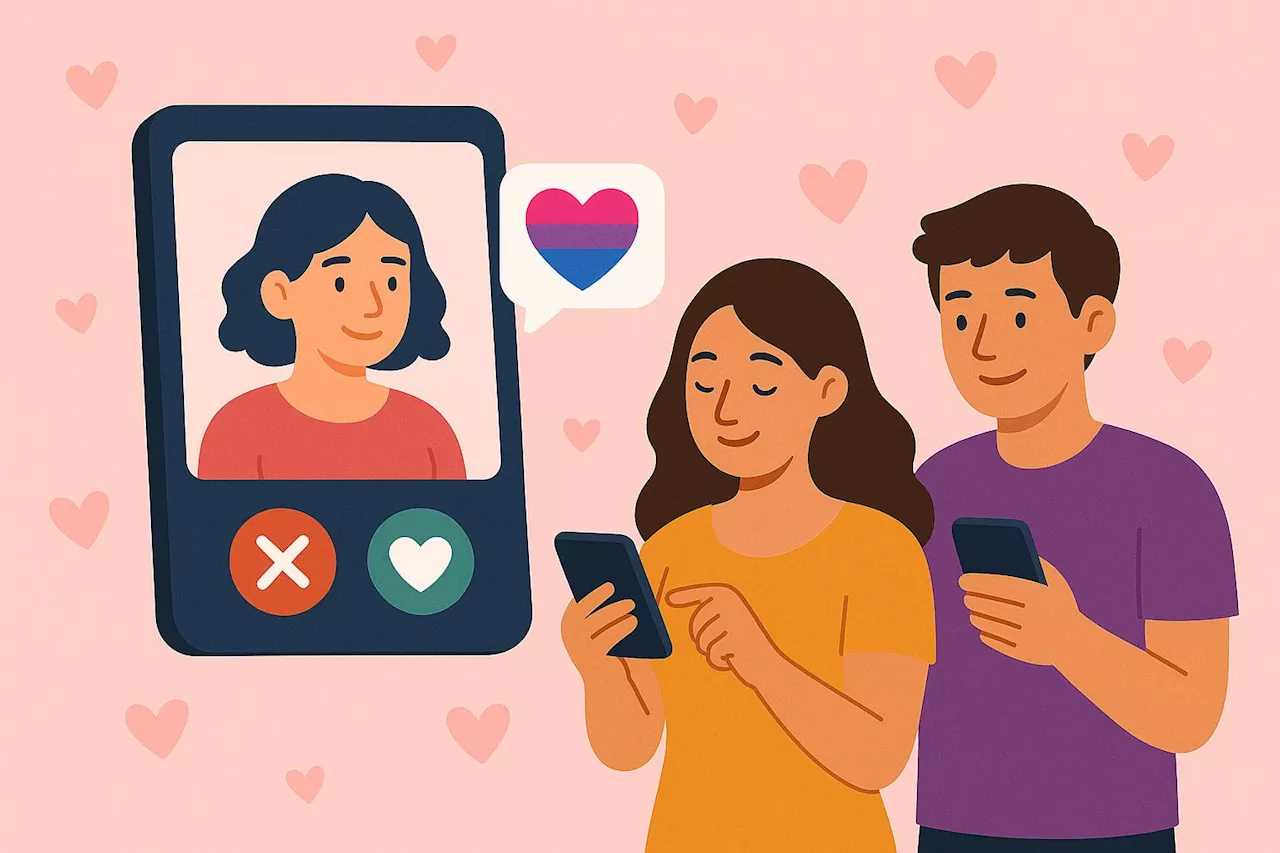
Bisexual women are increasingly seeking digital spaces that accommodate their fluid identities and unique modes of self-expression. From niche community-focused platforms to massive mainstream networks, dating apps are evolving to offer more than just simple matches.
From Beyoncé to Angelina Jolie: How fashion mirrors bisexual identity fluidity
The way bisexual individuals express themselves is often deeply intertwined with their aesthetic choices and fashion preferences. as the report notes, the fluidity inherent in bisexual identities can be reflected in how women present themselves to the world, much like the diverse styles seen in icons such as Beyoncé, Angelina Jolie, and Gillian Anderson.
This connection between identity and style is becoming a central component of the online dating experience. For many users, the ability to showcase their fashion predilections through profile photos is not just about vanity,but about communicating a specific, often fluid, sense of self to potential partners.
How the HER app builds community for lesbian and bisexual women
The HER app provides a specialized environment designed specifically for lesbian and bisexual women to connect and share their experiences. Unlike mainstream platforms, HER allows its members to join various social groups where they can discuss life challenges, share stories, and offer advice to one another.
According to the report, the platform encourages users to be their authentic selves by allowing them to upload photos that highlight their personal style. This community-centric approach helps create a comfortable climate where users can strike up conversations to determine compatibility before committing to a date.
Comparing Tinder’s 10 million members with Zoosk’s 40 million
Mainstream dating giants like Tinder and Zoosk also cater to the bisexual and lesbian populations, albeit through different technological approaches.. Tinder, which famously invented the "swiping" feature, boasts a membership of over 10 million people and offers "Group Hangouts" for community discussion.
Zoosk, which was founded in 2007, utilizes behavioral technology to refine its matching process as users interact with the app. With a massive user base of over 40 million members, Zoosk also features "Community Boards" that allow users to interact based on shared interests, providing a way to meet people outside of direct one-on-one matching.
The unanswered question of identity vs. personality on OKCupid
While some apps focus on social groups or behavioral tech, OKCupid takes a different route by prioritizing personality compatibility through extensive questionnaires. users answer questions regarding their lifestyles, passions, and interests to find potential matches who align with their core values.
However, the source leaves several questions regarding the effectiveness of this personality-first model for the bisexual community. it remains unclear if OKCupid’s lack of dedicated discussion groups makes it as effective as HER for fostering a sense of community. additionally, the report does not address how these platforms handle users who may choose to identify as lesbians during certain stages of their lives rather than activating a bisexual persona.
Comments 0