

As luxury houses look to expand their footprint, they are increasingly abandoning traditional retail hubs in favor of hyper-local neighborhood archetypes . a new report from 'Neighborhood Watch' reveals how brands are using specific consumer personas to decide where to plant their next permanent flag in New York City.
The maximalist vibe of the Lower East Side's vintage scene
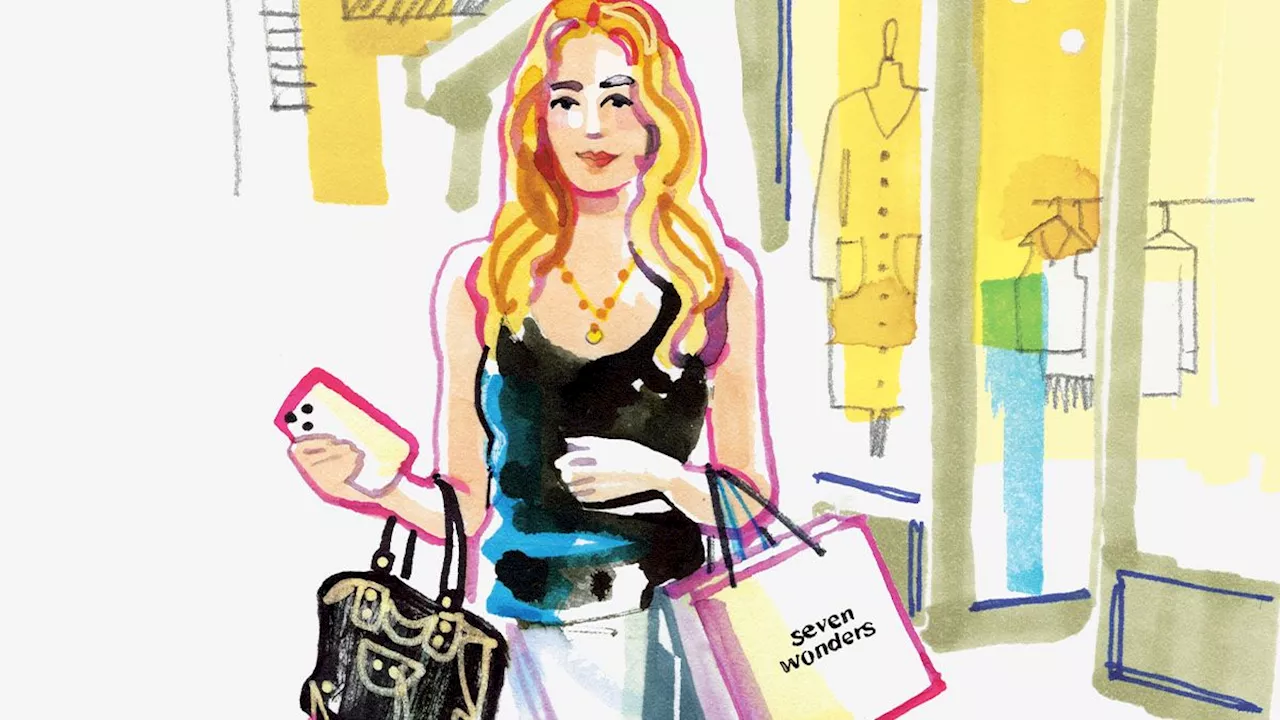
The Lower East Side has emerged as a primary destination for "discovery" shopping, where customers prioritize independent designers and vintage finds over traditional luxury houses. According to the 'Neighborhood Watch' report, the archetypal LES shopper is often a freelance creative who frequents spots like Seven Wonders for distressed leather or Colbo for niche fashion collaborations. This demographic is characterized by a love for maximalism and a desire to find unique pieces that reflect a specific, curated identity.
This shift toward the LES reflects a broader movement in fashion where "cool girl" aesthetics are moving away from the polished streets of SoHo toward more gritty, authentic environments. Instead of seeking out massive flagship stores, these shoppers are more likely to be found grabbing a coffee at Little Canal or browsing the racks at P.Principle. For retailers, this means success in the area depends on tapping into a culture of spontaneity and artistic expression rather than pure prestige.
Why the Upper East Side still favors appointment-only luxury
The Upper East Side maintains a reputation for highly discerning, polished shoppers who value elevated service and established names. The report notes that customers in this area often seek out appointment-only boutiques like Sophie Bille Brahe or specific destinations like Attersee on 64th Street. Unlike the spontaneous nature of downtown, UES shopping is often a structured part of a sophisticated lifestyle, involving long-standing traditions like grabbing froyo at Butterfield.
This neighborhood's strength lies in its sense of community and a loyal, local customer base that expects a high level of discretion and professionalism. While the LES is about the thrill of the find, the UES is about the reliability of the experience. Retailers targeting this demographic must cater to a more mature, "on-the-go" mentality where the goal is often finding the perfect ensemble for a specific event or social engagement.
How Brooklyn's creative professionals are bringing Hermès to the borough
Luxury brands are increasingly recognizing that Brooklyn's "modern creative professionals" hold significant purchasing power and a distinct aesthetic. A prime example of this strategic shift is Hermès, which transitioned from a temporary presence to a permanent Brooklyn location after identifying a local customer base that values a curated, intentional wardrobe. these residents, often in their mid-20s to late-30s, are described as "value-aware" and are willing to invest in high-end pieces that fit a specific, personal brand.
The success of brands like Hermès in Brooklyn suggests that the traditional boundaries between "luxury" and "neighborhood" are blurring. As more high-end labels set up shop near local staples like McNally Jackson, the borough is becoming a self-contained ecosystem for the affluent creative class. This allows residents to bypass the trek over the bridge to Manhattan, effectively turning Brooklyn into a luxury destination in its own right.
The high-spending SoHo tourist and the mystery of long-term loyalty
SoHo remains a powerhouse for high-value transactions driven largely by domestic and international tourists. Shoppers in this district often visit brands like Chanel, Dior,and Chloé as part of a larger New York experience, seeking "statement investments" they cannot find in their home countries. the report highlights that this clientele is often shopping with intense intention, treating a trip to SoHo as a major event or a celebrtaory indulgence.
However, the heavy reliance on transient visitors raises questions about the long-term stability of the SoHo retail model. It remains unverified whether the district can maintain its commercial dominance if travel patterns shift, or if the lack of "sustained local patronage" makes it more vulnerable to economic fluctuations than neighborhoods like the UES or Brooklyn. While the single-transaction values in SoHo are high, the question of how to convert a one-time tourist into a lifelong brand loyalist remains a challenge for the area's major retailers.
Comments 0