

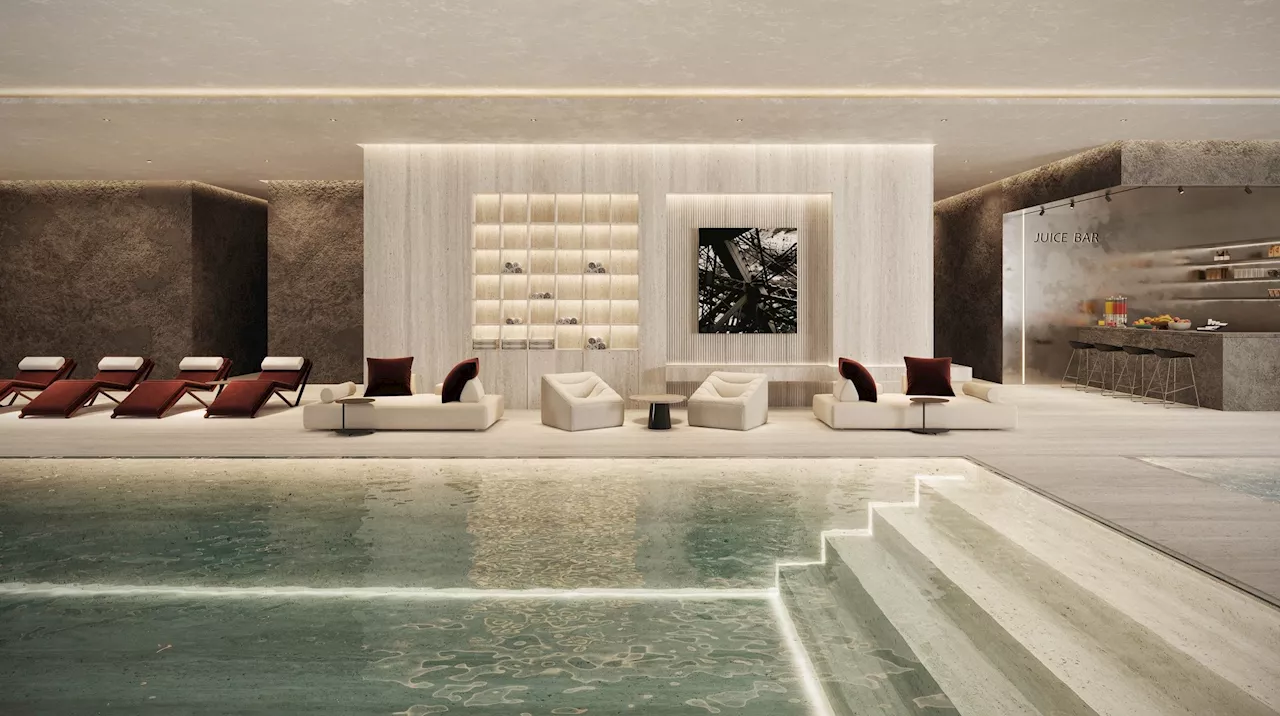
The Karl Lagerfeld fashion house has partnered with Grupo Bosque Real to develop a luxury residential skyscraper in Mexico City. This 38-story project in Huixquilucan is scheduled for completion in 2029.
A 32-foot book wall and 73 exclusive residences
The architectural centerpiece of the new development is a massive 32-foot wall of books set on stainless-steel shelves, which will span the lobby and mezzanine. According to the report, the tower will feature only 73 residences in total, with a strict limit of two units per floor to ensure maximum privcay and exclusivity for its inhabitants.
Each of the three-bedroom units is designed with expansive open-air terraces and "generously proportioned dressing rooms." These closets are a deliberate nod to the late Karl Lagerfeld’s own obsession with high fashion and his well-known collection of Hedi Slimane suits. The project aims to translate the aesthetic of a fashion maison into a living space that prioritizes both wellness and high-style recreation.
The Huixquilucan skyline and the Jafif Arquitectos blueprint
Located in the Huixquilucan area, the tower is positioned to offer residents sweeping views of the Mexico City skyline, local greenery, and a golf course. The physical structure is being handled by Jafif Arquitectos, while the interior design is a collaborative effort between One Atelier and Caroline Lebar, the creative director of interiors at Karl Lagerfeld.
Marcos Salame, the chairman of Grupo Bosque Real, stated that the project reflects a shared ambition to create a contemporary experience relevant to modern luxury living. Pier Paolo Righi, the chief executive officer of Karl Lagerfeld, noted that the venture represents an exciting new chapter in the brand's residential journey, as reported by WWD. the collaboration seeks to push the maison's design language beyond the runway and into the domestic sphere.
The Maison's first Latin American venture into luxury living
This project marks the first time the Karl Lagerfeld brand has entered the residential market in Latin America. This move is part of a broader global trend where heritage fashion houses—such as Armani, Versace, and Bvlgari—transition from selling products to selling entire lifestyles. By branding a building, a fashion house can monetize its "aesthetic DNA" without the overhead of garment production.
For the modern luxury consumer, the appeal lies in the curation. The integration of wellness facilities and specific design motifs allows the Karl Lagerfeld brand to occupy a permanent place in the resident's daily life. This shift reflects a wider movement in internet and social-media culture where "quiet luxury" and branded environments serve as ultimate status symbols for a global elite.
The missing price tags for the 38-story Mexico City tower
While the design details are lavish, several key pieces of information remain unavailable.. The report does not disclose the projected pricing for the 73 units, leaving it unclear whether these will be marketed as primary residences or speculative investment properties for international buyers.
Additionally, there is a lack of detail regarding the sustainability certifications of the Jafif Arquitectos design, a critical point of discussion for modern high-rise developments in Mexico City. It also remains to be seen how much of the interior design will be customizable for the buyer versus strictly adhering to the Karl Lagerfeld house style.
Comments 0