
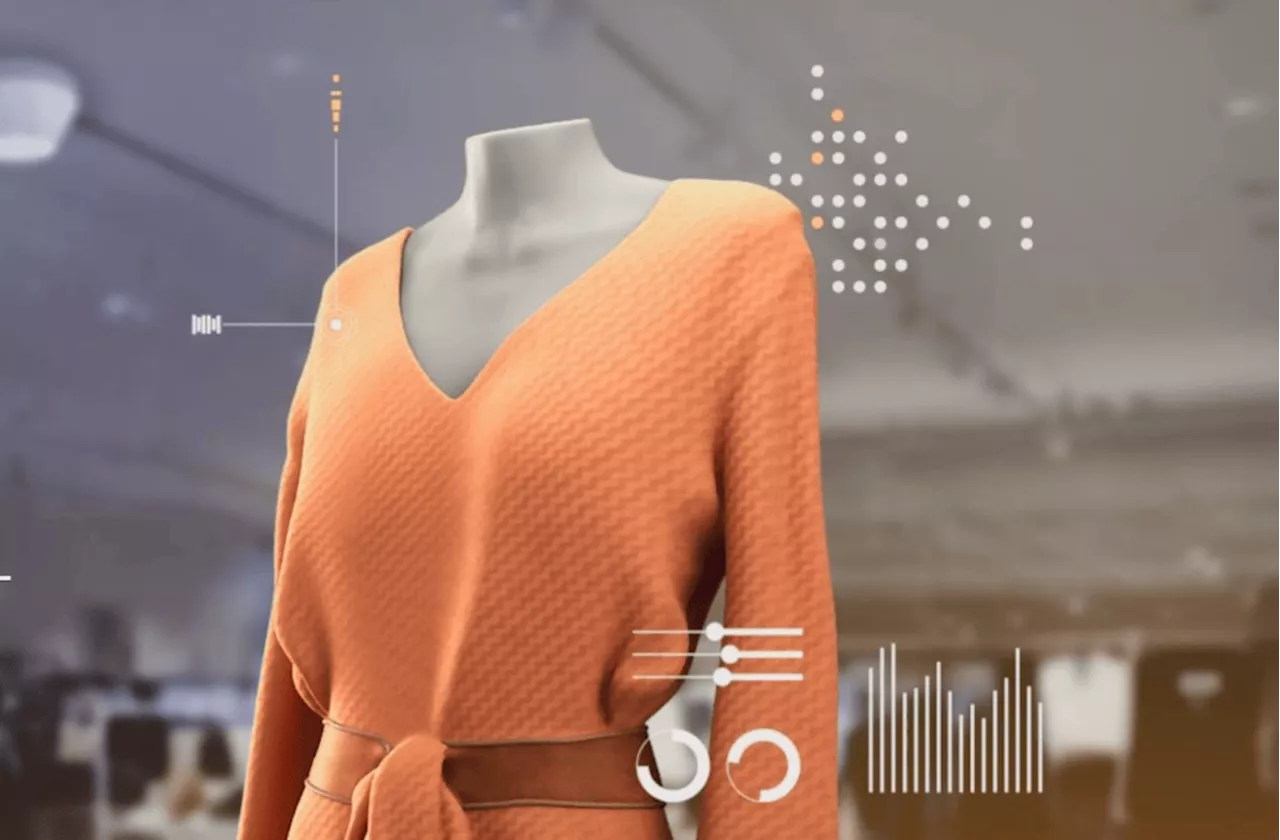
GreyOrange, an AI-powered retail and warehouse orchestration company, has acquired the digital twin developer Site Bionics. The move aims to integrate advanced computer vision with existing store infrastructure to create real-time maps of shopper and product movement.
The Amazon Go architect leading the Site Bionics integration
Don Gillett, the former head architect of Amazon Go, is joining the GreyOrange team to help deploy Site Bionics' technology. According to the report, the goal is to integrate this tech first into the company's gStore application before expanding it into warehouse operations via the GreyMatter platform.
Akash Gupta, CEO of GreyOrange, noted that the acquisition allows retailers to do more with the infrastructure they have already purchased. By leveraging existing ceiling cameras, the company aims to provide a more comprehensive picture of store activity without requiring stores to invest in entirely new hardware systems.
Merging RFID tags with live video for a complete SKU view
For years, the retail industry has struggled to combine radio-frequency identification (RFID) with computer vision to get a full picture of store inventory. As reported by WWD, Site Bionics was built specifically to solve the computer vision side of that equation, while GreyOrange has focused on the RFID side.
By packaging RFID and computer vision into a single model, the combined technology offers retailers an in-store sales funnel at the SKU level... This allows asset protection teams and inventory managers to move away from a "patchwork of separate tools" and toward a single , unified view of what is happening on the sales floor.
Asking AI "Are the mannequins dressed correctly?"
One of the most practical applications of this technology involves the use of video-language models. These models allow retail teams to interact with their security footage using plain language rather than manually scrubbing through hours of video.
GreyOrange stated that managers can now ask specific questions of the system, such as "Which stores set up the new display as planned?" or "Are mannequins dressed in the current season’s looks?" This turns standard security fotoage into an active, conversational tool for maintaining brand standards and visual merchandising.
How "anonymous" is the data in a real-time digital twin?
While the technology promises to track how shoppers and staff move and where they linger, it also raises questions about the limits of retail surveillance. GreyOrange has maintained that all tracking is performed anonymously, with video processed on-site and protected by enterprise-grade security and privacy controls.
However, the report does not clarify how the system distinguishes between truly anonymous movement and individual consumer profiling . It remains to be seen how much data is stripped of identifying characteristics and whether the promise of "on-site processing" will be enough to satisfy consumer concerns regarding the constant monitoring of their shopping habits.
Comments 0