

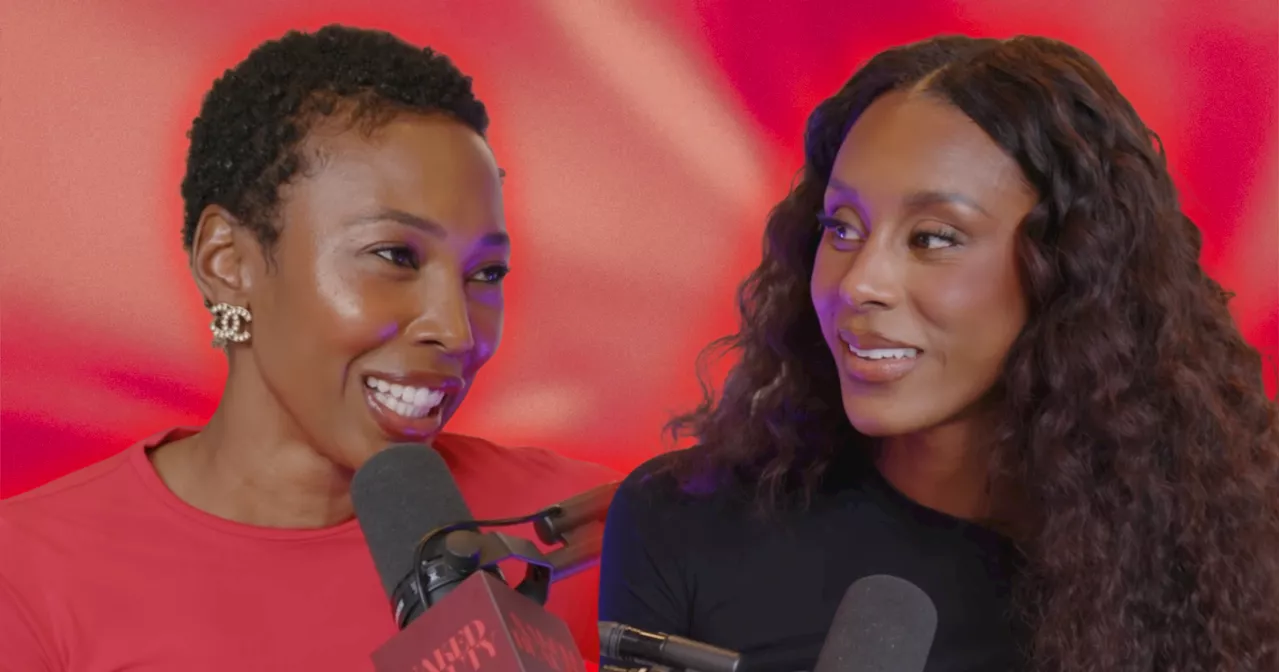
Emmy-winning stylist Zerina Akers recently discussed the intersection of high-fashion glamour and the gritty business of celebrity styling. The Beyoncé collaborator shared insights on her personal style shift at age 40 and the financial realities of the industry.
The unpaid preparation behind a single red carpet look
While the public sees a polished final image,the process of celebrity styling is often a grueling exercise in uncompensated labor. According to the report, Zerina Akers reveals that a single red carpet appearance often requires weeks of unpaid preparation and significant emotional labor before any payment is realized. This reality highlights a systemic issue in the fashion industry where the "hustle" is romanticized, but the financial risk is borne entirely by the stylist.
This pattern of unpaid prep is a familiar echo of the broader "internship culture" that has plagued the fashion world for decades. By investing their own time and resources into sourcing and coordination with publicists and designers, stylists like Zerina Akers are essentially gambling on the success of a project. The report notes that Akers is now advocating for industry-wide transparency to ensure that the labor behind the glamour is fairly valued.
Why Zerina Akers implements a ruthless twice-a-year closet purge
Turning 40 often triggers a wardrobe crisis, and Zerina Akers is candid about the fact that her own closet suddenly felt outdated as her body and silhouette changed. To combat this, Akers employs a strict organizational system centered on a "ruthless" purge conducted twice a year. This approach moves away from the dopamine hit of fast fashion and toward a philosophy of intentionality and personal empowerment.
Akers encourages women to prioritize designer pieces with high resale value over cheap, disposable trends. This shift toward "investment dressing" not only aligns with modern sustainability goals but also serves as a financial strategy. By treating a wardrobe as a collection of assets rather than a series of flleeting purchases, Akers suggests that women can navigate the transitions of their 40s with more confidence and less waste.
How a Panamanian grandmother's beauty lessons shaped an Emmy-winning career
The discipline required to manage the wardrobes of global superstars like Beyoncé was forged long before Akers entered a professional fashion closet. Akers credits her upbringing—specifically the contrast between her aunt's strict professionalism and the beauty lessons taught by her Panamanian grandmother—as the foundation of her work ethic. these early influences taught her that presentation is not just about vanity, but about discipline and power.
This ancestral grounding extends into her current wellness routine, where Akers integrates spiritual practices and ancestral prayer to protect her energy. In an industry known for burnout and high pressure, Akers emphasizes that maintaining a connection to her roots and prioritizing skincare and self-care are essential for long-term resilience.
Which specific brand deals sustain the modern celebrity stylist?
While the report highlights that brand deals are a primary source of income for stylists, it leaves several critical questions unanswered. Specifically,the source does not detail which types of brand partnerships are most lucrative or how the split between a stylist's fee and a brand's sponsorship typically functions. It remains unclear if these deals are tied to the stylist's personal brand or the celebrity they are representing.
Furthermore, while Akers calls for fair compensation, the report does not provide specific benchmarks for what "fair" pay looks like in the current market. As the industry shifts toward a more creator-centric model, the exact mechanics of how a stylist transitions from an unpaid "hustler" to a paid consultant remain a missing piece of the puzzle.
Comments 0