
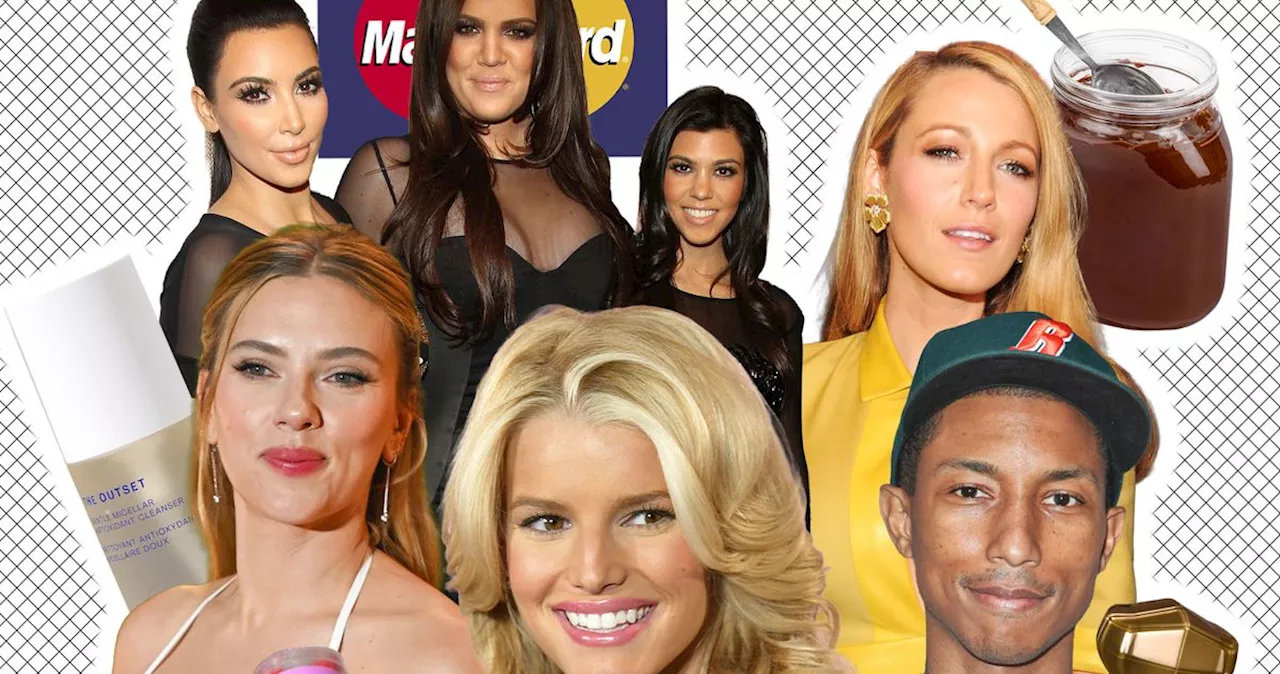
The world of celebrity entrepreneurship is often a revolving door of high-concept launches and quiet disappearances. Recent reports highlight the winding down of The Outset alongside a history of misguided ventures from stars like Jessica Simpson and Blake Lively.
The $46 Vegan Collagen Serum and the Saturation of Celebrity Skincare
The Outset, a skincare brand that marketed a vegan collagen serum for $46 and caffeine-infused face scrubs for $34, recently announced it is winding down its operations. According to the report, the brand's generic white packaging and low-profile marketing failed to carve out a permanent space in a market already crowded with celebrity-led beauty lines. While orders placed before September 28 will still be processed, the brand is expected to join a long list of forgotten ventures.
This failure reflects a broader trend where the "celebrity founder" label is no longer enough to guarantee success. For years, the industry saw a boom in stars launching beauty brands, but as consumers move toward clinical transparency and niche expertise, the generic "celebrity glow" pitch is losing its luster. This mirrors the trajectory of other short-lived projects, such as Natalie Portman’s 2008 vegan-shoe line or Scarlett Johansson’s Parisian popcorn shop, Yummy Pop, which closed in 2020 .
Jessica Simpson's 2004 Edible Cosmetics and the "Banana Split" Bee Problem
Long before the current era of curated wellness, Jessica Simpson launched a line of allegedly edible cosmetics in 2004. The collection, which featured crème brûlée perfumes and creamsicle lip glosses, was designed to be tasted and smelled, though the report notes that Simpson once became so ill during a related photo shoot that she had to vomit. The business ultimately folded in 2006 following a manufacturing lawsuit and reports of skin irritation among customers.
The Simpson venture is a prime example of the "concept-first, safety-second" approach that plagued early 2000s celebrity branding. The report mentions that those who used the Banana Split Sugar Shimmer Body Powder in 2005 may have even attracted bees, highlighting the gap between a "rock-solid concept" and a functional product. Despite the failure, Jessica Simpson expressed interest earlier this year in reviving the edible concept for her current single life.
The $99.95 Fee of the 2010 Kardashian Kard
Before the Kardashian family built billion-dollar empires, they attempted a foray into finance with the Kardashian Kard in 2010. launched in partnership with University National Bank, the prepaid Mastercard was slammed by then-Connecticut Attorney General Richard Blumenthal for "predatory fees." As reported, the card required a $99.95 fee just to use, supplemented by ATM charges of $1.50 and instant transfer fees of 2 .5 percent.
The Kardashian Kard lasted only three weeks before Kim, Kourtney, and Khloé pulled out of the deal. The speed of the collapse underscores the danger of celebrities entering highly regulated industries like finance without sufficient oversight. While the family has largely avoided commenting on the fiasco, Kourtney Kardashian told ABC News in 2010 that the family simply stopped working with the bank.
Blake Lively's "Allure of Antebellum" and the Short Life of Preserve
Blake Lively attempted to build a lifestyle empire through her website, Preserve, which focused on a "manic-pixie-millennial" aesthetic with a controversial emphasis on the antebellum South. The site sold a variety of goods, from vegan hot fudge to artisan pillows, and featured fashion editorials such as "The Allure of Antebellum." The venture lasted just over a year before Lively closed it in 2015, admitting the site was launched before it was ready.
The failure of Preserve highlights the risk of blending personal branding with sensitive historical aesthetics . While Lively and husband Ryan Reynolds have since apologized for their wedding on a South Carolina plantation, the report notes they have not specifically apologized for the "Allure of Antebellum" post. this venture serves as a cautionary tale about the intersection of internet culture, luxury lifestyle branding, and historical tone-deafness.
Pharrell Williams's Qream Liqueur and the Unsettled Diageo Lawsuit
In 2011, Pharrell Williams partnered with Diageo to launch Qream, a line of cream liqueurs marketed toward "independent women." The brand offered two flavors—Strawberry Créme and Peach Créme—but was effectively removed from circulation only 18 months into a three-year deal. This led to a 2013 lawsuit where Pharrell Williams claimed Diageo failed to distribute the brand and incorrectly marketed it as a "club drink" rather than a "high-end leisure class drink."
The dispute over Qream leaves several questions unanswered, as the case did not go to trial and no public settlement was ever announced. It remains unclear whether the failure was due to the marketing strategy or a fundamental lack of consumer interest in the product. This legal clash illustrates the friction that often occurs when a celebrity's creative vision clashes with the corporate machinery of a global conglomerate like Diageo.
Comments 0