

A growing number of consumers are abandoning the constant tracking of their vital signs in favor of a philosophy known as "anti-optimization." This movement prioritizes presence and intuition over the rigid efficiency of traditonal biohacking.
The $3 million bet on a ring that refuses to track your heart rate
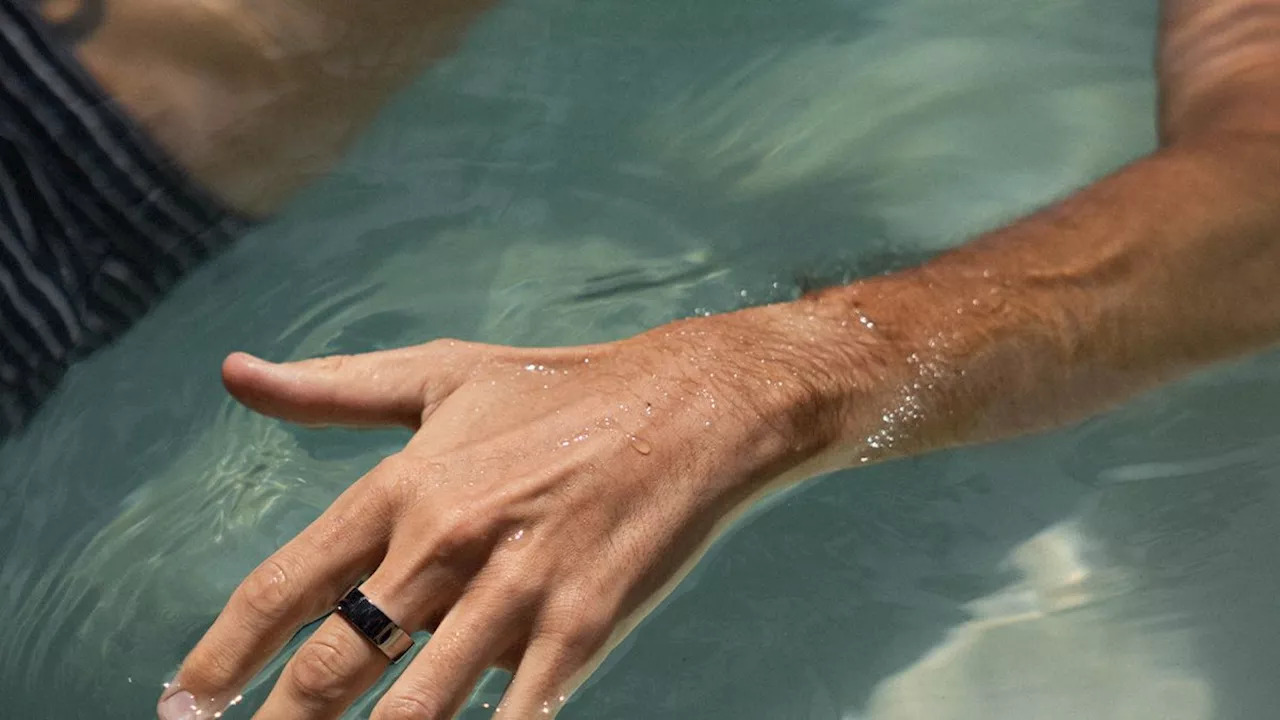
Pulse Mindfulness, a New York-based startup, launched the Pulse Ring in May following a $3 million seed raise. Unlike traditional wearables like Oura or Whoop, the Pulse Ring does not measure heart rate, steps, or skin temperature. Instead, the device uses vibrations to act as a sensory bridge, reminding users to pause and return to the present moment through micro-meditation.
Interestingly, the compnay’s CTO is Tommi Pyykönen, the former COO of Oura Ring , and the hardware was developed by the Finnish firm Haltian. This move comes as Alice Crossley of the consultancy The Future Laboratory suggests that being "always-on" is no longer considered a status symbol for consumers.
The mental health cost of checking health metrics for 4 in 5 women
The Australian wellness app Kic is seeing significant momentum by focusing on "progress, not perfection" rather than the "transformationary" language of traditional fitness. According to the report, the app has built a community of over 2.8 million people across 120 countries, resulting in 30% annual revenue growth as of October 2025.
This approach addresses a growing mental health crisis in the wellness space; co-founder Laura Henshaw noted that four in five women have spoken negatively to themselves after checking a health metric. Furthermore , three in five women aged 18-29 report feeling increased pressure to change their bodies due to social media alone.
How Alice Mushrooms and Hart Workshop are prioritizing sensation over data
Brands like Alice Mushrooms and Hart Workshop are finding success by turning wellness into a sensory experience rather than a data-driven chore. Alice Mushrooms offers functional mushroom-infused chocolate featuring ingredients like lion’s mane and reishi, attracting high-profile investors such as Zac Efron and Pedro Pascal. Similarly, the barefoot shoe label Hart Workshop has achieved cult status by creating ergonomic footwear that mimics natural movement.
As the report notes, Hart Workshop reported revenues of over £444,000 in early June, despite using no paid advertising or influencer marketing. Other brands, like the British design label Tala, are also pivoting toward environmental design, such as their circadian rhythm light developed in collaboration with Thomas Heatherwick Studio.
Will "anti-optimization" survive the rise of AI and information overload?
While the movement is gaining traction, the term "anti-optimization" remains loosely defined. The report suggests it is an anecdotal description of a philosophy that prioritizes experience over efficiency, but it lacks an official industry designation. It remains to be seen whether this is a permanent cultural shift or a temporary reaction to the digital age.
Cultural futurist Jasmine Bina suggests that as AI and information overload increase, people will rely more on intuition as a "wayfinding tool." However, the source does not clarify if the broader market will eventually force these "anti-tracking" devices to integrate the very data they currently reject, or if the movement will remain a distinct, counter-cultural niche.
Comments 0