
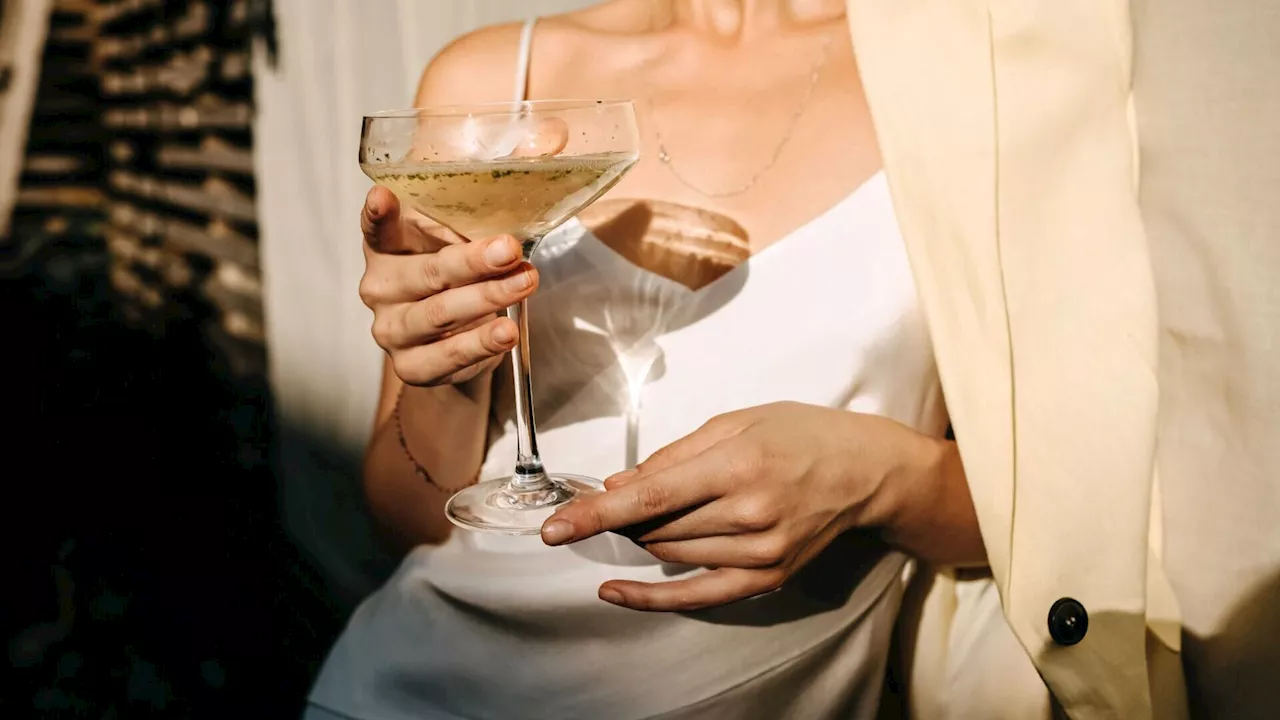
As the seasons shift, a potent two-ingredient cocktail attributed to Ernest Hemingway is resurfacing. the drink, which combines absinthe with champagne, offers a sophisticated and stronger alternative to the lighter spritzes typically enjoyed during the summer months.
One jigger of absinthe and iced champagne
The recipe is deceptively simple, requiring only two primary components and minimal effort. As reported by Stylist, the process involves pouring one jigger of absinthe into a champagne glass and then adding iced champagne.. The goal is to achieve a specific visual state described in the instructions as a "proper opalescent milkiness."
This visual transformation, often referred to in mixology as the louche effect, occurs when the anise oils in the asbinthe react with the water in the champagne, turning the liquid cloudy and beautiful. Because the drink is quite strong, the instructions suggest that it should be sipped slowly, noting that one might drink three to five of these cocktails.
Why autumn calls for Hemingway's potent absinthe over summer spritzes
The timing of this recipe's resurgence aligns perfectly with the transition into the cooler autumn months. As we move away from the bright, citrus-heavy, and refreshing drinks that define July and August, there is a natural inclination toward deeper, more complex flavors. This cocktail fits the "moody" aesthetic that often accompanies the change in season.
Beyond the flavor profile, the ease of preparation makes it a practical choice for social gatherings. because it requires so few ingredients, it is an excellent option to serve at a dinner party when you want to offer something impressive without spending the entire evening behind the bar.
The literary collection of Sterling North and Carl Kroch
The instructions for this drink are found within a work by authors Sterling North and Carl Kroch. This collection serves as a bridge between the worlds of literature and mixology, featuring recipes taken from various notable writers. According to the report, the collection includes contributions from other famous figures, such as William Seabrook.
This connection highlights a long-standing tradition of writers and their relationship with spirits. the fact that a search for Hemingway's novels might lead a reader directly to a potent cocktail recipe underscores how deeply these literary icons are intertwined with the culture of drinking.
The mystery of the "proper opalescent milkiness"
Despite the simplicity of the ingredients, several questions remain for the modern host. First, there is the question of authenticity: it is not explicitly verified whether these were Hemingway's personal instructions or if they are simply attributed to him within the North and Kroch compilation. The source presents the recipe as his, but the historical link remains an unverified claim.
Furthermore, the recipe lacks a precise measurement for the champagne component. Since the target is a subjective "proper opalescent milkiness," the exact ratio of champagne to absinthe is left entirely to the discretion of the person pouring. This means every glass may have a slightly different potency, depending on how much champagne is added to reach that cloudy, milky finish.
Comments 0