

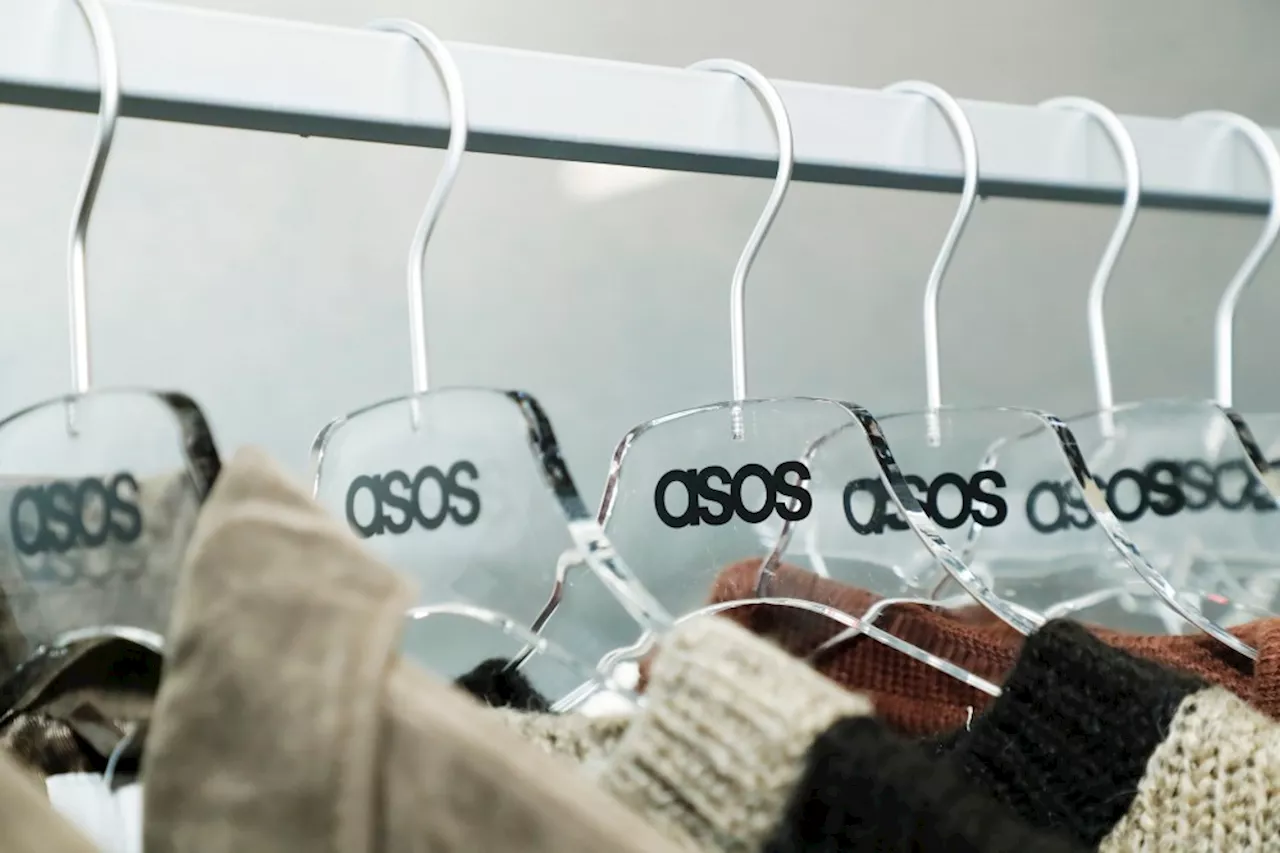
Users of the Asos mobile app recently received a sudden ransom note notification. While the retailer is currently investigating the incident, the breach highlights the growing security vulnerabilities within the fashion industry's mobile ecosystem .
The "free lunch" of app-only discounts and your personal data
The current retail culture is increasingly built on a "data-hungry" model that prioritizes information gathering over user privacy. Brands often bait shoppers with exclusive incentives , such as retail discounts or app-only pricing, to encourage mobile downloads. However, as Justin Cappos, a professor at New York University, told Sourcing Journal, "It’s not a free lunch." These applications are frequently designed to monitor user behavior and collect extensive data in exchange for those small, immediate savings.
This data collection goes far beyond basic contact information like names and email addresses. By requiring a download, brands can maintain a constant presence on a user's device, allowing for continuous monitoring that a standard web browser cannot easily match.
Why 65% of fast fashion giants have credentials on the dark web
The security of the fashion sector is a significant concern for cybersecurity experts. According to a report from the Business Digital Index, a cybersecurity reputation platform, 65 percent of popular fast fashion retailers—including Asos, Shein, and Boohoo—have had their corporate credentials actively circulating on the dark web. The report suggests that hackers often target these companies because they are perceived as "weak targets" compared to more heavily fortified industries like banking.
Because mobile apps stay on a phone even after the window is closed, they present a much larger surface area for potential theft. Installing an app requires users to provide significantly more personal information than a simple website checkout, making the stakes of a breach much higher for the individual consumer.
How AI uses your marriage and spending to build profiles
Modern shopping apps are becoming even more invasive through the integration of artificial intelligence. A report from Coresight Research indicates that brands can now use AI to continuously update customer profiles, identifying "key milestones" such as a user's first purchase, their marriage,or shifts in their spending power. This allows brands to build an incredibly intimate portrait of a consumer's life.
Even as companies like Meta attempt to win consumer trust with AI agents like "Muse"—which can shop and check out on a user's behalf—new risks are emerging. experts warn that these AI agents are susceptible to "prompt injection," a type of attack where a hacker deceives the large language model into ignoring its original instructions to perform unauthorized actions.
Who is responsible for the Asos ransom note?
While the notification on the Asos app was a concrete event, several critical details remain unverified. The source does not specify exactly what data was compromised or if this incident is directly linked to other recent hacks involving different groups. Furthermore, it remains unclear why hackers chose to target the fashion retailer specifically, leaving both shoppers and investors to grapple with the unknown extent of the breach.
Comments 0