
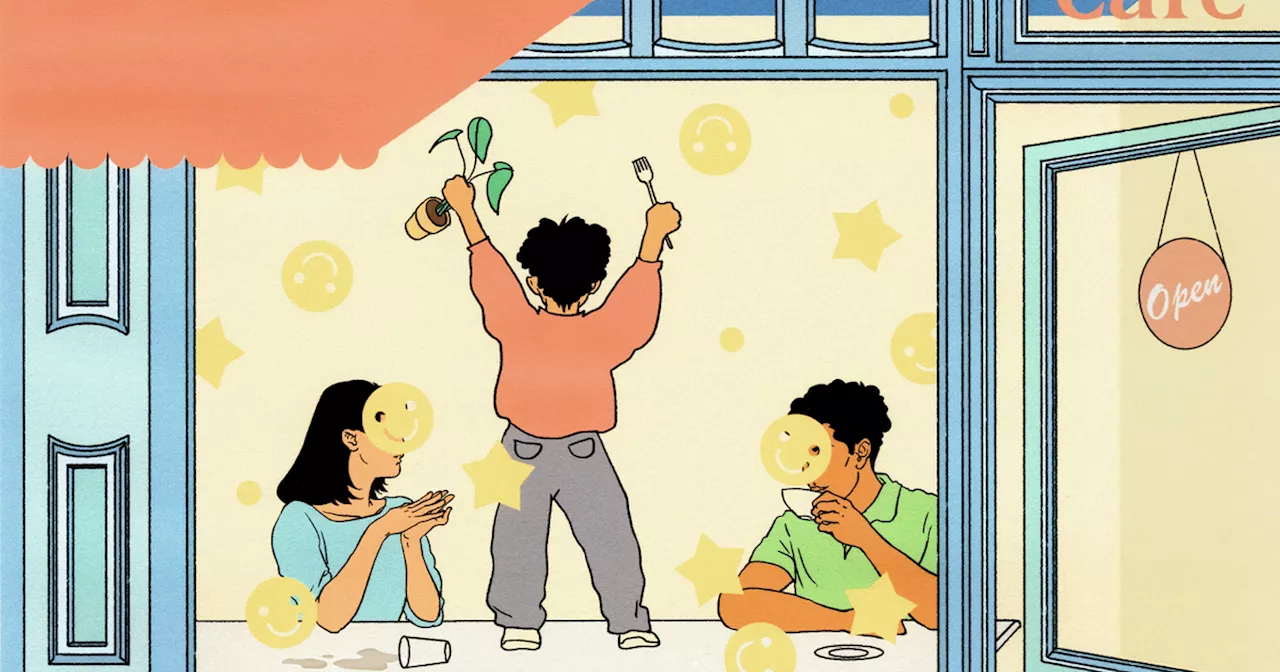
Modern parents are increasingly abandoning the punitive discipline of previous generations in favor of "gentle parenting." While this approach emphasizes emotional validation, many are finding the transition to be an exhausting struggle for authority.
Moving away from the "reactive" discipline of Gen-X parents
Many parents today are attempting to break the cycles of screaming and spanking that defined their own upbringings. According to a study of 100 parents conducted by researchers in St. Paul, Minnesota, those who identify with "gentle parenting" use a much broader vocabulary to describe their methods. While they use terms like gentle, affectionate, conscious, and itnentional to define themselves, they often describe their own parents using much simpler, more negative adjectives like "reactive" or "confrontational."
This shift represents a massive cultural pivot toward emotional intelligence and intentionality. the research suggests that even parents who grew up in homes filled with warmth and love are now striving to go "one step further" in their emotional engagement with their children, attempting to provide a level of validation that wasn't standard in previous decades.
Why 40 percent of gentle parents feel they are "hanging on"
The transition to this softer style is proving to be physically and mentally taxing for many families. The report notes that 40 percent of parents who adhere to gentle-parenting principles admitted they actually do not know what they are doing. Instead of feeling in control, many reported feeling "exhausted," "overstimulated," and as if they are simply "hanging on for dear life."
In Manhattan, parents like Hannah are experiencing this exhaustion firsthand. After dealing with "mind-numbing negotiating" over screen time and school night routines, she has found that the clear boundaries her children need are often harder to maintain when trying to prioritize their feelings. The constant struggle to remain calm while a child is in the middle of a meltdown can leave even the most well-meaning parent feeling completely depleted.
How TikTok and Dr. Becky's "scripts" shaped pandemic parenting
The explosion of this movement is closely tied to the digital landscape and the isolation of recent years. During the pandemic, when being stuck at home with small children felt untenable, many parents turned to Instagram, TikTok, and Reels for guidance. This is where the "gentle-parenting wave" truly began to roll, driven by a surge of parenting coaches and digital influencers.
Many parents find themselves attempting to implement specific "scripts" from experts like Dr.. becky to navigate high-stress moments. While these tools aim to help parents regulate their own emotions and name their child's feelings, the reliance on social media advice rather than established academic scholarship has led some to question the movement's long-term stability and practical application in real-world chaos.
Is the "democratic" approach actually making kids less resilient?
A major concern among educators and traditional parents is whether this "democratic" approach—where parents and children are treated as equals—is inadvertently flipping the power dynamic. In Harlem, a mother named Elsie observed a child slapping her mother without any visible consequence, a scenario that contradicts the core tenets of most parenting philosophies. This raises several unanswered questions:Is the movement pushing emotional validation too far, and are we prioritizing a child's momentary feelings at the expense of their ability to handle real-world disappointment?
Similarly , Kathleen, a teacher in Manhattan, has noticed a shift in how children handle minor setbacks . She suggests that kids are becoming less resilient and less willing to compromise, often acting as if the world should revolve around them. This leaves parents wondering if the attempt to avoid being a "dictator" has accidentally resulted in a generation that lacks the tools to navigate life's inevitable frustrations.
Comments 0