
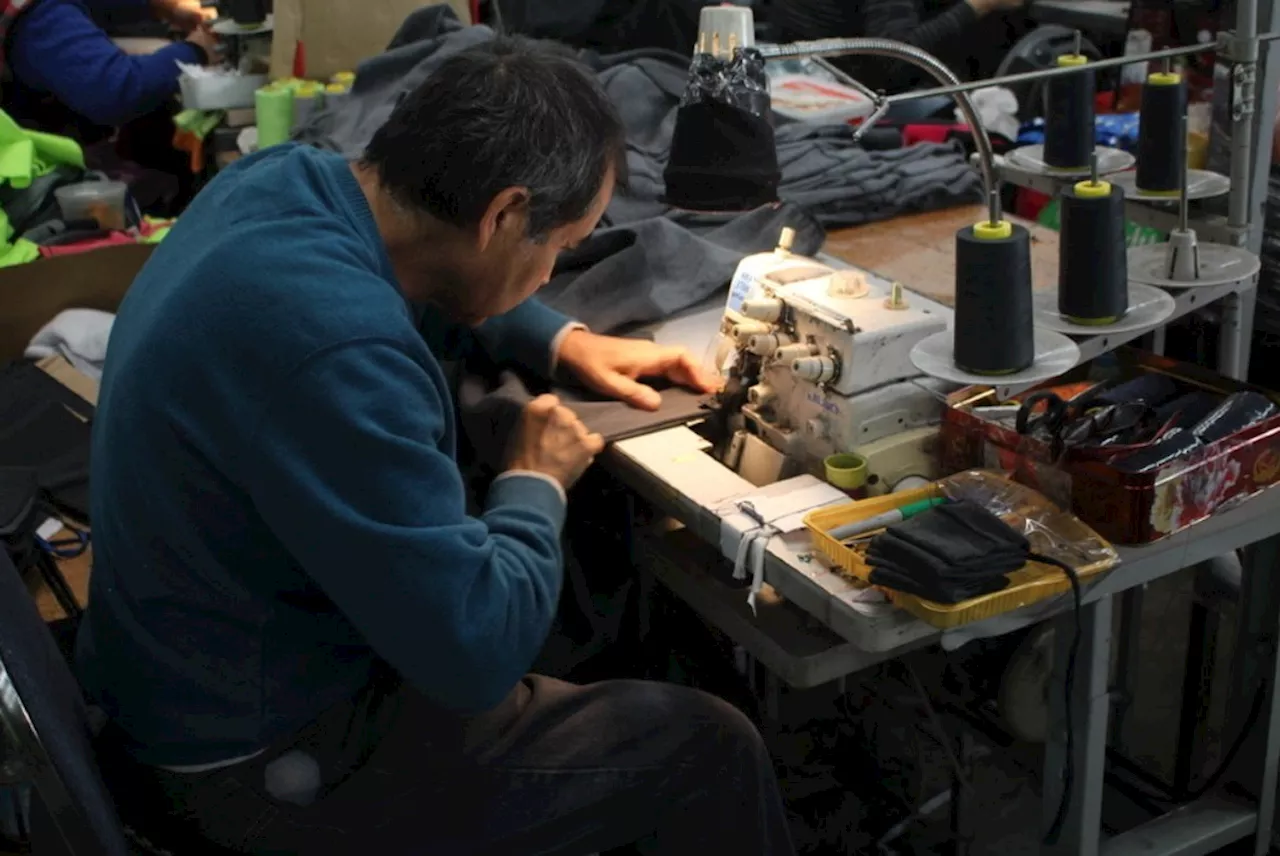
Since the pandemic exposed the fragility of global supply chains, more companies are looking to bring manufacturing back to American soil. The Reshoring Initiative reports that US-based jobs in this sector jumped from 160,000 in 2020 to roughly 240,000 in 2021.
The 80,000-job jump driven by pandemic lessons
The shift toward domestic production is gaining momentum as companies realize that over-reliance on trans-Pacific trade is a massive risk . According to the Reshoring Initiative, a Sarasota, Fla.-based group, the surge in American manufacturing jobs is largely a response to the vulnerabilities exposed during the COVID-19 pandemic. Harry Moser of the Reshoring Initiative noted that companies are moving back to avoid being caught "flat-footed" like they were during the global health crisis.
This movement is also fueled by a desire for greater self-sufficiency, particularly regarding trade with China. As Moser explained, there is a growing recognition that depending on potential adversaries for essential goods is a dangerous game. The trend is no longer just about patriotism; it is about survival in an increasingly unpredictable global economy.
Why Calison’s 300-unit MOQs are a lifeline for streetwear startups
For the next generation of fashion entrepreneurs, the ability to produce small batches locally is a game-changer. As Jeff Lu of Calison explained, the California-based apparel manufacturer has seen an uptick in interest from startups and new brands looking for local partners.. calison, which operates three facilities near Los Angeles in El Monte,offers a significant advantage through its two-week turnaround times and relatively low minimum order quantities (MOQs) of just 300 units.
This flexibility allows emerging designers to test the market without the massive financial commitment required by overseas factories. Beyond just speed, there is also a growing cachet associated with the "USA-made" label, as consumers increasingly associate domestic production with higher quality and more reliable lead times.
The "skilled workforce" hurdle facing SEAMS members
Despite the growing interest in reshoring, the indutsry faces a massive bottleneck: a lack of trained people. Will Duncan, the executive director of the sewn products trade group SEAMS, argues that the mismatch between reshoring interest and the available domestic skills gap is reaching a tipping point. He noted that many companies in the textile supply sector could potentially double their business if they could only find enough qualified workers to hire.
To survive this transition, Duncan suggests that American producers must move away from traditional methods and embrace "full-package" production. This means managing everything from product development to upstream relationships, rather than just executing a single step in the chain. The industry must also adapt to a new reality where many workers who left during the pandemic are unlikely to return, necessitating a complete overhaul of how domestic talent is trained.
Can the U.S. scale without more synthetic and stretch fabrics?
While companies like St. Louis-based Carr Textile are helping to bridge the gap by stockpiling over 5 million yards of material, significant questions remain about the long-term viability of a fully domestic supply chain. As Thomas Oviedo of Carr Textile stated, the pandemic highlighted how much the supply chain had broken down, but the domestic lack of synthetics and stretch fabrics remains a major barrier to true self-sufficiency.
This leaves several critiacl questions for the industry: Can American manufacturers truly scale up without a more robust domestic production of raw synthetic materials? Furthermore, will the current "full-package" model be enough to satisfy the complex, high-volume needs of major global retailers, or will the industry remain limited to serving smaller,niche vendors?
Comments 0