

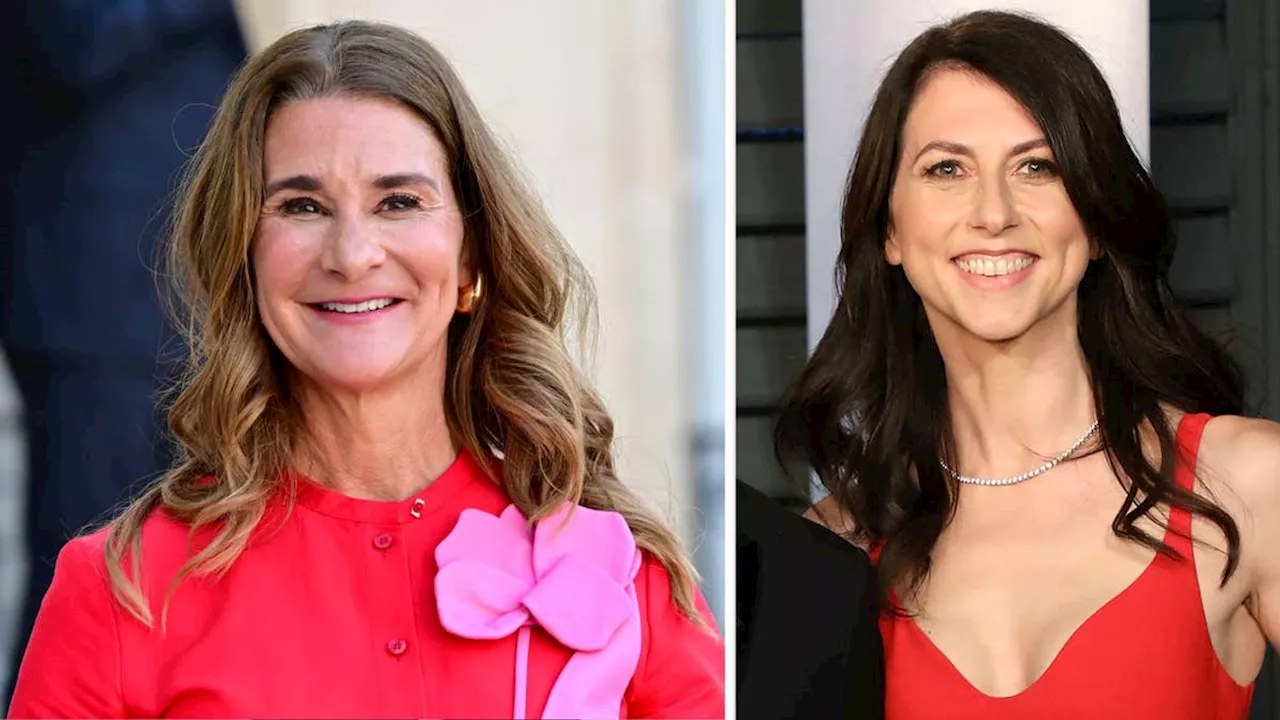
A new wave of tech-adjacent women is fundamentally altering how massive fortunes are distributed globally. Leaders like MacKenzie Scott and Melinda French Gates are moving beyond their high-profile divorces to pioneer radical new models of social giving.
MacKenzie Scott’s $7.2 billion donation spree in 2025
MacKenzie Scott is utilizing her Yield Giving organization to bypass traditional philanthropic hierarchies through a "trust-based" model. Unlike the rigid, top-down structures of old-money foundations, Scott’s approach provides grants with zero strings attached, allowing local organizations to decide how to best deploy the funds. As the report notes, this strategy has seen her become the world's top donor in 2025, having distributed a record $7.2 billion across 186 different organizations in a single year.
This massive redistribution of wealth follows her 2019 divorce from Amazon co-founder Jeff Bezos, which resulted in her being allocated 4% of Amazon stock. Since 2020, Scott has given away an estimated $26 billion, driven by a commitment to the Giving Pledge to distribute at least half of her wealth. Her method represents a significant shift in the philanthropic landscape, moving away from the gatekeeping often seen in billionaire-led charity.
Melinda French Gates’ $1 billion commitment to women and midlife health
Melinda French Gates is leveraging her Pivotal Ventures to focus specifically on the empowerment of women, girls, and young people. Following her 2021 split from Microsoft founder Bill Gates, she has increasingly centered her philanthropy on systemic gender issues. In 2024, she revealed a plan to dedicate $1 billion toward advancing the status of women worldwide, citing research that shows investing in women benefits entire societies.
A recent and highly personal pivot for French Gates involves addressing the lack of medical knowledge and tools surrounding menopause. She has noted that even women with access to high-quality medical care often rely on peer networks rather than doctors to navigate midlife transitions. According to the source , she is determined to ensure the next generation of women has better resources and institutional support for these biological shifts.
Laurene Powell Jobs and the Emerson Collective’s hybrid LLC model
Laurene Powell Jobs manages the Emerson Collective through an LLC structure rather than a standard non-profit, allowing for much greater operational flexibility. This model enables her to blend traditional charitable grantmaking with venture capital investments, media ownership, and political advocacy. By operating like a private business, the Emerson Collective can back commercial startups and purchase media outlets to drive social change.
This approach is rooted in a desire to avoid the accumulation of "legacy wealth" that her late husband, Apple founder Steve Jobs, famously eschewed. Powell Jobs has stated that if she lives long enough, her wealth will not be passed down as a permanent family dynasty, but rather spent down on causes she deems essential. This "spend-down" strategy marks a departure from the traditional goal of building multi-generational family fortunes.
The unverified long-term results of "no-strings" grant-making
The rapid and massive scale of these philanthropic shifts leaves several critical questions unanswered. while the "no-strings" approach used by MacKenzie Scott is praised by peers like Melinda French Gates, the report does not clarify how these sudden,massive injections of capital affect the long-term stability or strategic focus of the receiving organizations. There is also the question of whether such decentralized giving can address the deep-seated systemic issues that traditional, more structured philanthropy targets.
Furthermore, the specific political and social influence exerted by LLC-structured entities like the Emerson Collective remains a subject of scrutiny. Because these organizations operate with the privacy and flexibility of a business, it is not entirely clear how their combined investments in media and advocacy might shape public discourse compared to traditional, transparent non-profits. The source also does not address how these women navigate the complex tax implications of such rapid, large-scale wealth redsitribution.
Comments 0