
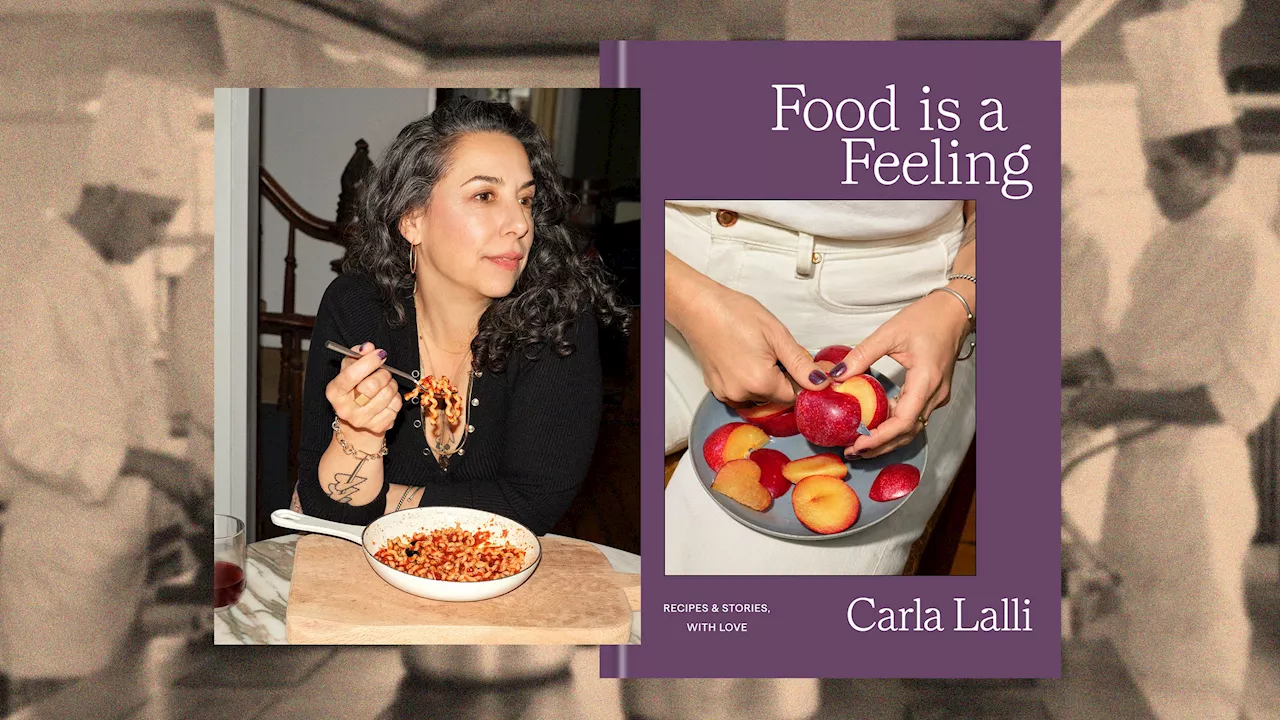
In a reflective account of her early career, Carla Lalli describes her 1998 entry into the professional culinary world at Montrachet, a three-star restaurant in Tribeca. she details the grueling physical labor and the conscious effort she made to suppress her femininity to survive a hyper-masculine kitchen culture.
The $350 weekly wage and the grueling reality of Montrachet
Starting as an unpaid intern, Carla Lalli eventually secured a staff position as an entremetier, responsible for the vegetables accompanying fish entrées. According to the report, this role paid $350 for a six-day work week, featuring double shifts on Fridays and absolutely no sick days or vacation time. Lalli notes that these punishing conditions and low wages were, paradoxically, part of the draw, serving as a way to rebel against her own privileged upbringing and formal education.
The physical environment of the Montrachet kitchen was as restrictive as the pay. Lalli describes a workspace so narrow that her hip bones pressed into the counter, positioned between a "janky toaster oven" and a stainless countertop. This invisibility was a requirement; the kitchen staff were meant to remain unseen by the guests in the posh dining room, creating a sharp divide between the performance of service and the "raw sport" of the kitchen.
From plastic wrap belts to olive oil lip balm: The cost of fitting in
To be taken seriously in a space "assigned macho at birth," Lalli felt she had to systematically erase markers of her femininity. As Lalli describes, this process began in a co-ed changing area where she donned boxy white chef's jackets and polyester checkered pants designed for men's bodies. To avoid being seen as weak, she refused help with heavy pots and climbed onto stainless counters in her socks to reach high shelves.
The survival tactics were visceral and makeshift. Lalli mentions using olive oil as a protective balm for lips chapped by 500°F ovens and twisting strips of plastic wrap into belts to keep her oversized pants from falling. This "tough-guy masquerade" was not just about efficiency; it was a psychological shield used to transcend the belittling "not bad for a girl" label that often plagued women in the industry.
Learning the 'battle brigade' under Max the fish cook
The hierarchy at Montrachet followed the traditional French "battle brigade" system, a rigid structure that Lalli found both intimidating and electrifying. She reported directly to Max, a six-foot-tall fish cook with platinum hair and a stoic demeanor. Lalli describes a relationship defined by a desperate need for approval and a fear of "fucking something up" or wasting product, which she likened to the feeling of being sucked into a tornado.
Over time, Lalli moved from the menial task of deboning rabbit for amuse-bouches to finding her own rhythm on the line. She mastered the art of juggling multiple skillets and timing the emulsification of sauces. The report notes that it was only through this diligent assimilation and the mirroring of Max's motions that the stoic fish cook eventually began to "soften" toward her.
The 'not bad for a girl' era of 1990s professional kitchens
Lalli's experience at Montrachet is a window into a specific era of culinary culture where professional competence for women was often equated with the abandonment of feminine traits. This echoes a broader historical trend in the 1990s and early 2000s, where the "mosh pit" mentality of the kitchen was seen as a rite of passage.. For many women, the only path to respect was to become a "player" in a masculine ruckus, effectively hiding their identity to gain professional standing.
This narrative contrasts sharply with today's social media-driven culinary world, where female chefs are often celebrated for their personal brands and aesthetic styles... However, the foundational trauma of the "battle brigade"—the shame of a mistake and the pressure to be "tough"—still lingers in the DNA of many high-end restaurants.
What happened to the 'battle brigade' hierarchy after Lalli left Montrachet?
While Lalli provides a vivid portrait of her time in Tribeca,the account leaves a few questions unanswered. It remains unclear if the derisive tone of the French chef was an isolated personality trait or a systemic requirement for maintaining the restaurant's three-star status.. Furthermore, the report does not detail how Lalli's relationship with cooking evolved after these grueling years, specifically whether the "destruction" of her desire to cook on her days off became a permanent scar or a temporary phase of her early career.
Comments 0