
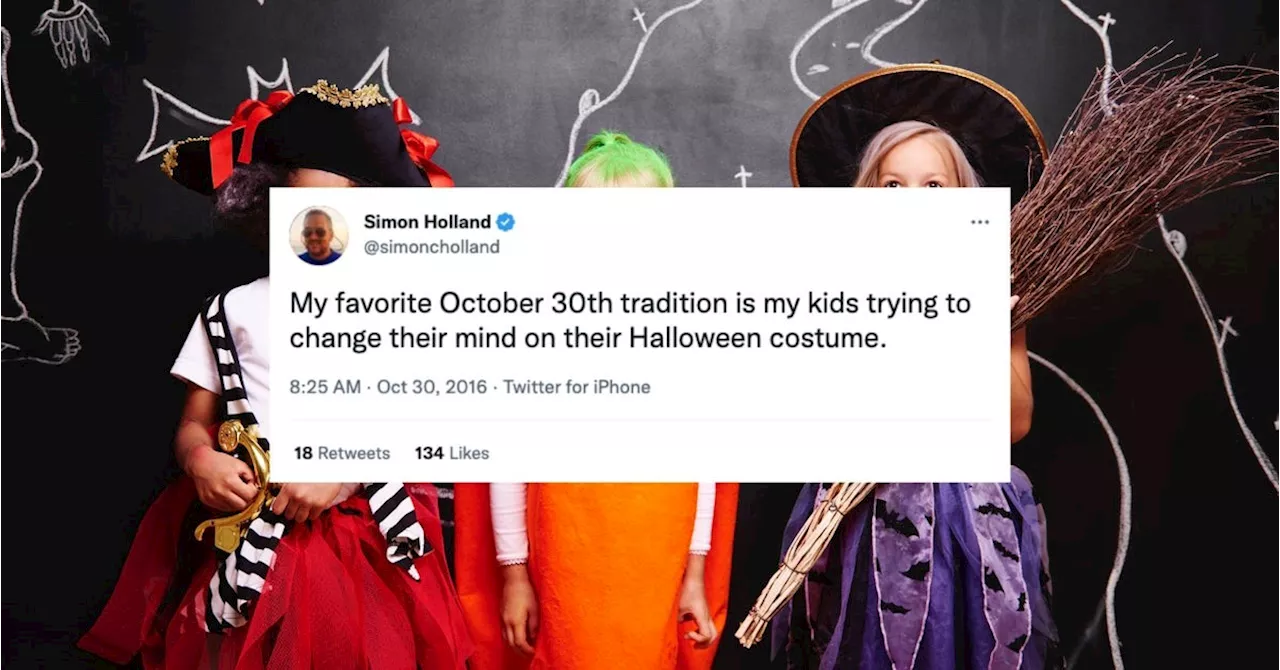
Parents are taking to X (formerly Twitter) to document the comedic and stressful ordeal of selecting children's Halloween costumes.. These shared experiences highlight a universal struggle with erratic design requests and the financial pressure of holiday dressing.
The 'Spooky but Not Scary' Paradox of the Modern Child
One of the most relatable tensions in the current parenting landscape is the hyper-specific, often contradictory,demand from children. As reported in a collection of viral tweets, one parent noted their nine-year-old requested a costume that was a "cute baby wolf, but spooky, NOT SCARY." This reflects a broader cultural shift where children, influenced by a constant stream of digital imagery, have highly curated visions of their identity that are often impossible for parents to execute perfectly.
This trend echoes the rise of "aesthetic" culture on platforms like TikTok, where the line between "cute" and "edgy" is razor-thin. For the modern parent, the costume is no longer just a piece of clothing but a high-stakes negotiation of a child's personal brand for a single night.
The $50 Rule and the Cost of October Fashion
The financial burden of Halloween has led some families to implement strict fiscal policies. According to the report, one parent shared a family rule stating that if a costume costs more than $50, the child must wear it to school at least four times after Halloween to justify the expense. This highlights the growing frustration with the "fast fashion" nature of holiday costumes, which are often expensive yet designed for a single use.
This economic tension is further exacerbated by the pressure to provide "elaborate and insane" outfits. When costumes become status symbols in school hallways, the cost of participation rises, turning a whimsical tradition into a budgetary headache for middle-class families.
Gambling on China Shipping and the October 30th Pivot
Logistical anxiety has become a staple of the October experience. The source highlights the desperation of parents who "gamble" by ordering costumes from China, hoping the package arrives before the 31st. This reliance on golbal supply chains adds a layer of stress to an already volatile process, especially when paired with the tendency of children to change their minds "763 times" before the deadline.
The "October 30th tradition" of last-minute costume pivots is a recurring theme among parents.. This cycle of early ordering followed by late-stage regret suggests a disconnect between the parental desire for planning and the impulsive nature of childhood preference.
Who is Actually Cleaning the 'Disease Trap' Plastic Vampire Teeth?
Beyond the cost and the logistics, there is the visceral reality of costume hygiene. The report describes cheap plastic vampire teeth as "drool-filled disease traps," a sentiment that resonates with parents who have to clean up after the festivities. This brings up a significant point of concern: the material safety and hygiene of low-cost, mass-produced costume accessories.
While the tweets focus on the humor of the mess, they leave open several questions about the quality of these products. It remains unclear if there are emerging safety standards for these plastic inserts or if parents are moving toward more sustainable, washable alternatives to avoid the "chills" associated with cheap plastic accessories.
Comments 0