
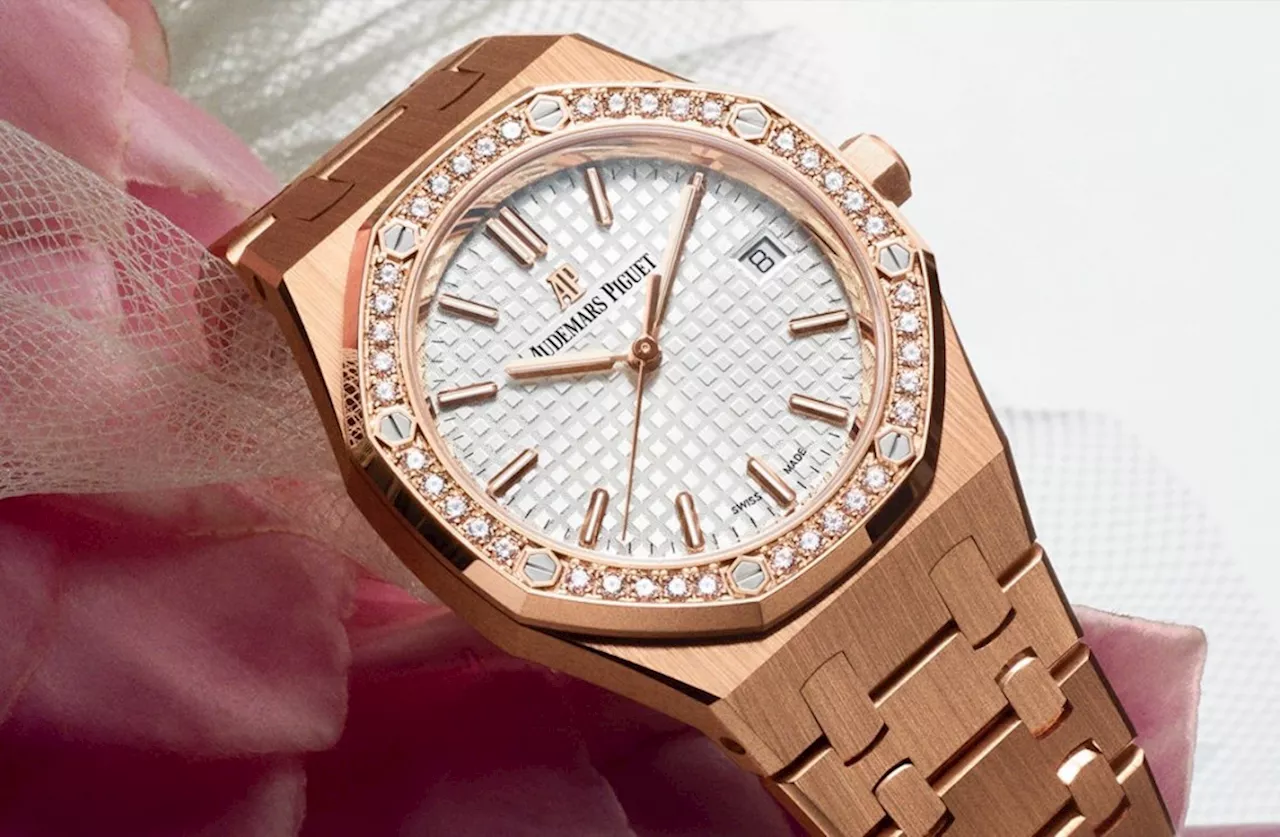
Swiss watch exports saw a significant boost in September , reaching a total value of 2.23 billion Swiss francs.. This growth marks the fourth straight month of increasing sales for the industry.
The 39.5 percent spike in watches under 500 francs
The market for entry-level luxury is expanding rapidly, evidenced by a 39.5 percent increase in watches priced below 500 francs at export. This surge suggests that consumers are increasingly looking for the prestige of Swiss craftsmanship at more accessible price points . According to the federation, these lower-priced segments, alongside timepieces made of "other materials" (which saw a 17.9 percent unit uptick), now account for 81 percent of all Swiss timepieces exported.
This shift toward volume is also reflected in the total number of units moving through the market. the report states that altogether, 228,000 additional Swiss watches were exported in September compared to the previous month. This indicates a broad-based recovery or expansion that isn't just limited to the ultra-wealthy.
A massive 85 .7 percent jump in US demand
The United States has emerged as a primary driver of growth, with Swiss watch exports to the country surging by 85.7 percent in September. This massive spike in American interest comes alongside a 12.3 percent growth in Japan and a 3 percent increase in Hong Kong.
Europe is also seeing significant movement, though the distribution is uneven. While the European Union saw an overall gain of 15.5 percent, the federation noted an exceptional 128.8 percent surge in France.. However, officials suggested this massive jump in France might not represent pure demand, but rather a shift in trade flow allocations that may have come at the expense of other European nations.
High-end pieces over 3,000 francs still driving value
Despite the boom in affordable luxury, the ultra-premium segment remains a vital pillar of the industry. Watches with an export price exceeding 3,000 francs saw a 9.9 percent gain in September, making a significant contribution to the overall $2.74 billion total value of exports.
This dual-track growth—where both the entry-level and the high-end segments are rising—suggests a resilient luxury market. It shows that the industry is successfully capturing both the aspirational buyer and the traditional collector simultaneously.
The mystery behind the 14.2 percent drop in China
While Western markets are heating up, traditional luxury strongholds are showing signs of fatigue. Sales of Swiss timepieces to Mainland China fell by 14.2 percent in September, a decline mirrored by a 5.2 percent dip in the U.K. and a 9 percent drop in the United Arab Emirates.
This divergence raises several unanswered questions for industry analysts. It remains unclear whether the slump in Mainland China is a temporary economic correction or a permanent shift in how Chinese consumers approach luxury spending. Additionally, with the massive spike in France, it is still unverified whether that growth represents true consumer appetite or is simply a logistical reshuffling of existing European stock.
Comments 0