
New technological tools are revolutionizing the cotton supply chain by providing brands with better data on fiber origin and sustainability. According to reports from Cotton Incorporated,these advancements help meet rising consumer demand for transparency and regulatory compliance .
66% of consumers demand to know where their fabric is made
Consumer interest in the origins of their clothing is reaching an all-time high. According to Cotton Incorporated’s 2024 Customer Traceability and Recycling Survey of 1,006 U.S. respondents, 66 percent of people say it is important to know exactly where the fabric of their clothing is manufactured.
This demand for transparency extends beyond just the fabric itself. The same survey found that 60 percent of consumers want to know where their garments are sewn and where the raw materials used for their apparel are grown.. This shift is part of a broader movement toward conscious consumerism, where the "story" behind a garment is as important as the garment itself.
Why 62% of shoppers are now willing to pay more for U.S. cotton
Domestic sourcing is becoming a significant driver of consumer value. the 2026 Global Sustainability Survey, which included 1,002 U.S. respondents, revealed that 62 percent of consumers would pay a higher price for items made from U.S. cotton, a notable increase from the 55 percent reported in 2023.
Shoppers are increasingly associating U.S. production with higher ethical and environmental standards. Specifically, 64 percent of respondents believe U.S. cotton is more sustainable, while 62 percent view it as more responsibly farmed. Furthermore, 61 percent of consumers believe U.S. cotton is of higher quality, suggesting that transparency and origin are becoming key indicators of luxury and durability in the minds of buyers.
How EFS and Cotton Communicator™ software are digitizing the supply chain
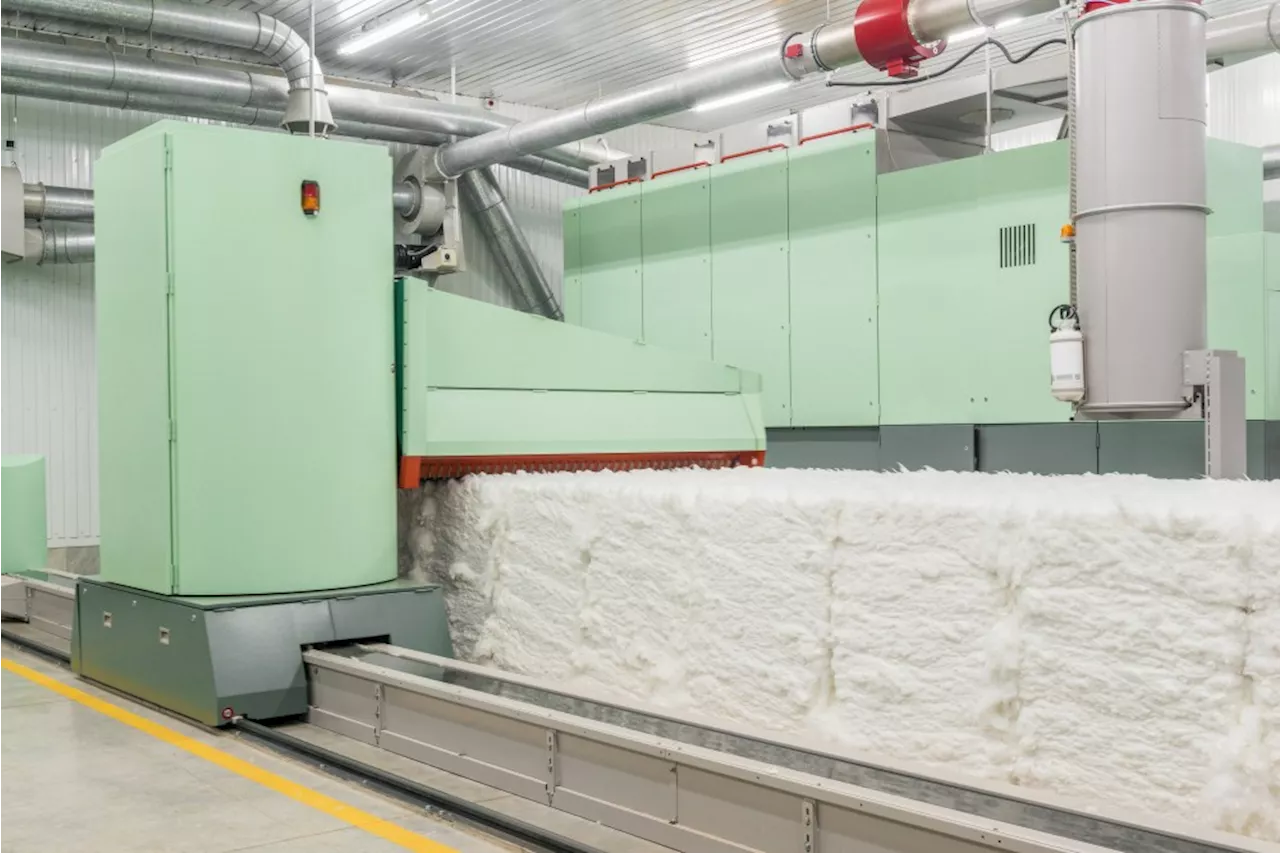
To meet these high expectations , the industry is turning to sophisticated data management tools. The EFS software package is a logistics and optimization tool designed to improve cotton profitability from the moment it leaves the bale press until it is spun into yarn. As the report notes, these systems help mills produce more consistent yarns, which in turn enhances the durability and appearance of the final fabric.
Connectivity between different players in the industry is also being improved through the Cotton Communicator™ Software. This platform allows cotton merchants, cooperatives, and mills to exchange vital information regarding the buying and selling of cotton. By utilizing tools that view High Volume Instrument (HVI) properties of USDA-classed cotton, buyers can make more informed decisions based on specific fiber properties and amounts available in a given crop year.
Can bio-based dyes and biodegradable chemicals truly scale?
Beyond digital tracking, the industry is exploring the chemical makeup of clothing to reduce environmental impact. Mary Ankeny, vice president of product development at Cotton Incorporated, noted that supply chains are increasingly asking chemical suppliers for dyes and chemicals formulated from natural materials to create bio-based and biodegradable solutions. This is particularly relevant for those looking to reduce plastic waste, such as opting for 100 percent cotton denim with plastic-free stretch.
However, several questions remain regarding the widespread adoption of these innovations. it is currently unclear how quickly chemical manufacturers can scale these natural formulations to meet global demand without compromising on cost. Additionally, while manufacturers are reporting on bio-based content, there is still a need for more standardized verification to ensure these "biodegradable" claims hold up in real-world conditions. Finally, the industry has yet to fully address how these bio-based chemicals will perform against the intense durability requirements of high-performance athleisure and denim.
Comments 0