

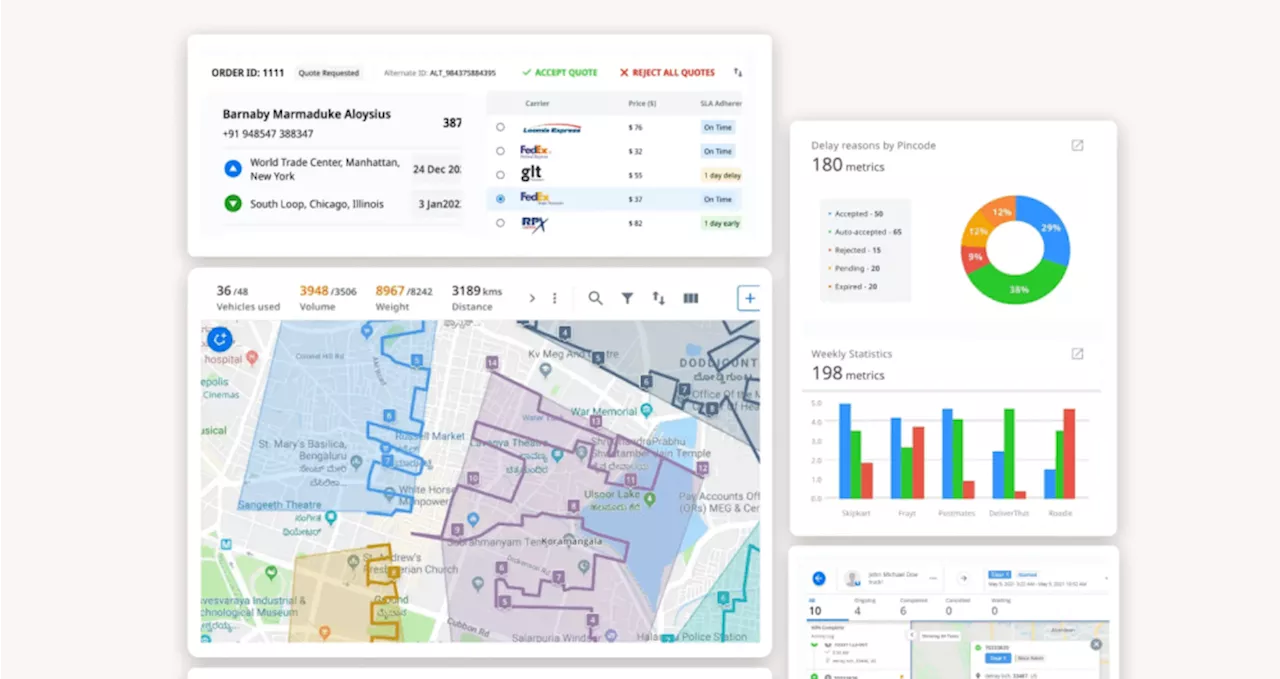
Locus Solution has introduced a new "Delivery Promise Management" tool designed to provide real-time, accurate shipping windows at the point of purchase. By analyzing everything from warehouse cutoffs to last-mile routes, the software aims to prevent the common frustration of misleading delivery estimates.
The 93% of US shoppers who judge brands by delivery speed
Consumer trust in e-comerce is increasingly tied to the reliability of the final mile. According to research from Locus, 93 percent of shoppers in the United States say that on-time delivery directly affects how they view a company. This creates a high-stakes environment for retailers, as the emotional contract with a customer is often broken the moment a package arrives late.
The current landscape shows a significant gap between consumer expectations and reality. while reliability is a top priority for 20 percent of shoppers, fewer than one in 10 consumers actually believe that retailers consistently meet their fast or guaranteed delivery commitments. This "trust deficit" is a byproduct of the modern on-demand economy, where the standard for excellence has been set by giants like Amazon, leaving smaller or less tech-integrated brands struggling to keep up.
Achieving a 98.5% success rate for delivery windows
Locus Solution's new technology aims to solve this reliability gap by replacing guesswork with real-time data. The company's Delivery Promise Management solution analyzes every stage of the supply chain, including the origin warehouse cutoff, the linehaul feeding the delivery station, and the specific vehicle route at the door. As reported by the company, this end-to-end analysis allows the system to provide the best possible shipping options in under a second.
In a recent test run using a retailer’s historical order data, the effectiveness of this real-time approach was evident. The report says that the Delivery Promise Management tool provided feasible delivery windows for 98.5 percent of orders and successfully reduced the number of orders without an available slot by 58 percent. This level of precision allows retailers to offer tiered pricing and specialized services, such as white-glove delivery for bulky items or eco-friendly shipping options, without overpromising.
Why 51% of shoppers expect faster holiday shipping than normal
The pressure on logistics networks intensifies significantly during the holiday season. Locus's research found that 51 percent of consumers expect holiday shipping to be as fast as, or even faster than, their standard delivery speeds. This leaves retailers with almost no margin for error during peak periods like Black Friday or the December rush.
Many retailers currently rely on static delivery timeframes—such as a generic "3 to 5 business days"—to communicate with customers. However, Locus argues that these static windows are often misleading because they fail to account for real-time warehousing, carrier availability, and local delivery capacity. By aligning customer expectations with actual operational capacity, brands can avoid the seasonal chaos that leads to customer churn.
Will API integration be enough to fix the 'static timeframe' problem?
Implementing new logistics technology often presents a massive hurdle for brands with established workflows. To address this,Pradyumna Chowdhary, the chief product officer at Locus, stated that the Delivery Promise Management tool is desgined to work with existing systems rather than replacing them. By using APIs to connect checkout processes with existing data regarding inventory and fulfillment, the company aims to make accuracy easier to operationalize without requiring a total tech stack rebuild.
Despite these claims, several questions remain regarding the scalability of this solution for mid-sized retailers. It is still unclear how the tool performs when integrated with highly fragmented, third-party hybrid carrier networks that may not share data as seamlessly as major players. Additionally, while the tool promises real-time accuracy, the industry has yet to see how these systems hold up under the extreme, unpredictable surges of a global supply chain crisis.
Comments 0