
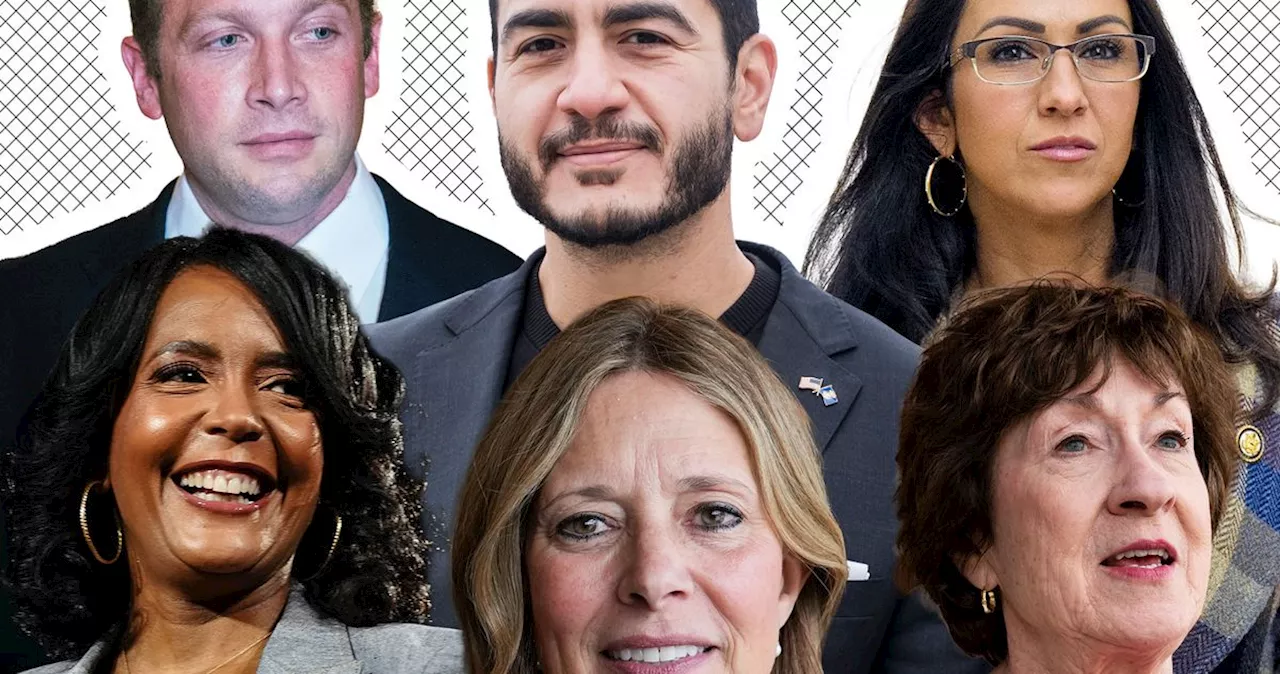
The United States is approaching a pivotal election night that could reshape both the federal government and several state laws.. Voters will decide on congressional control and several high-stakes ballot measures concerning reproductive rights and gender identity.
The math behind preventing a J.D. Vance tie-breaker
The fight for control of the U.S. Senate is a high-stakes numbers game for the Democratic Party. Currently, Republicans hold 53 seats, meaaning Democrats must secure at least 51 seats to prevent a 50-50 split. According to the report, such a split would allow Vice President J.D. Vance to cast tie-breaking votes. To actually seize the majority, Democrats must win four seats currently held by the GOP while defending their existing 47 seats.
This struggle is complicated by a nationwide redistricting war, particularly in Texas, where maps were redrawn to benefit the Republican Party. The outcome in the House of Representatives is equally tight, with the threshold for control set at 218 seats. As the report notes, Democrats need to flip 14 of the 18 races currently rated as "lean Democratic" to take the chamber.
Annie Andrews and the battle for North Carolina's Senate seat
Several individual races are being watched closely as potential turning points for the country. In North Carolina, Annie Andrews is competing for an open Senate seat; if she wins, it would represent the first time a Democrat has secured a statewide federal victory since Barack Obama's 2008 win. The Cook Political Report also highlights tight cotnests in Florida, where a progressive candidate is challenging Senator Ashley Moody.
In the House of Representatives, specific battlegrounds include Iowa’s First District, Ohio’s Ninth District, and Texas’s 34th District.. These contests, along with various "toss-up" races, will determine whether the current balance of power in Washington remans or shifts significantly.
Idaho's attempt to overturn near-total abortion bans
Beyond the halls of Congress, state-level ballot measures are set to decide the future of reproductive healthcare. in Idaho, voters will consider a measure that could reverse the state's near-total ban on abortion. Another proposed measure seeks to codify the right to access abortion services up to the point of fetal viability, approximately 24 weeks, within a state constitution.
These local votes represent a critical front in the ongoing national debate over bodily autonomy and government interference in healthcare. For many voters, these state-level decisions will have a more immediate impact on their daily lives than the shifting math in the Senate.
The unknown states behind the transgender sports measures
Several ballot measures are set to address gender identity and participation in school athletics. These proposals include restricting transgender athletes from competing on teams that match their gender identity and requiring biological sex verification through genetic or hormonal testing. The source also mentions a measure to recognize marriage between adults regardless of sex, gender, or race .
However , the report leaves several key details unverified. It is currently unclear which specific states are hosting the marriage equality amendment or the exact locations of the transgender sports bans. Additionally, the report mentions a former Trump White House staffer facing domestic violence allegations but does not name the individual or the specific race they are contesting.
Comments 0