
As the 2026 midterm elections approach, nonpartisan resources are emerging to help Americans identify where candidates truly stand on critical policy issues. These tools aim to provide transparent, evidence-based comparisons to empower voters before they head to the polls.
The 57.2 percent of Florida voters who backed reproductive rights in 2024
There is often a significant disconnect between state-level restrictions and the actual will of the electorate. As the source reported, a majority of voters in Florida—specifically 57.2 percent—supported protecting abortion rights in the state consittution during the 2024 election. This statistic highlights a broader trend where reproductive freedom remains a majority value even in regions often characterized as politically conservative or restrictive.
For the Pembece reader, this underscores why specific policy positions matter more than party labels. The tension between legislative bans and public support suggests that reproductive healthcare access, including IVF and contraception, continues to be a primary driver for women's political engagement. When a majority of a state's population supports a right that the government restricts, the ability to vet individual candidates becomes a vital tool for systemic change.
How Guides.vote tracks candidates polling at 15 percent or more across 24 states
To combat political ambiguity, the platform Guides.vote has developed nonpartisan voter guides utilizing researchers and veteran journalists. According to the report, these guides currently cover selected races in 24 states, focusing on U.S. Senate, House, and governor's races, as well as state supreme court elections. To maintain a focus on viable contenders, the organization only includes candidates who are polling at 15 percent or more.
These guides do not tell voters how to cast their ballots but instead provide a side-by-side comparison of stances on a wide array of issues. The scope includes not only abortion and healthcare but also climate change, LGBTQ+ rights, gun laws, and immigration.. By offering these resources in both English and Spanish,Guides.vote attempts to make complex legislative records accessible to a broader, more divere demographic of voters.
The clash between Sen. Pete Ricketts and Dan Osborn at the Nebraska State Fair
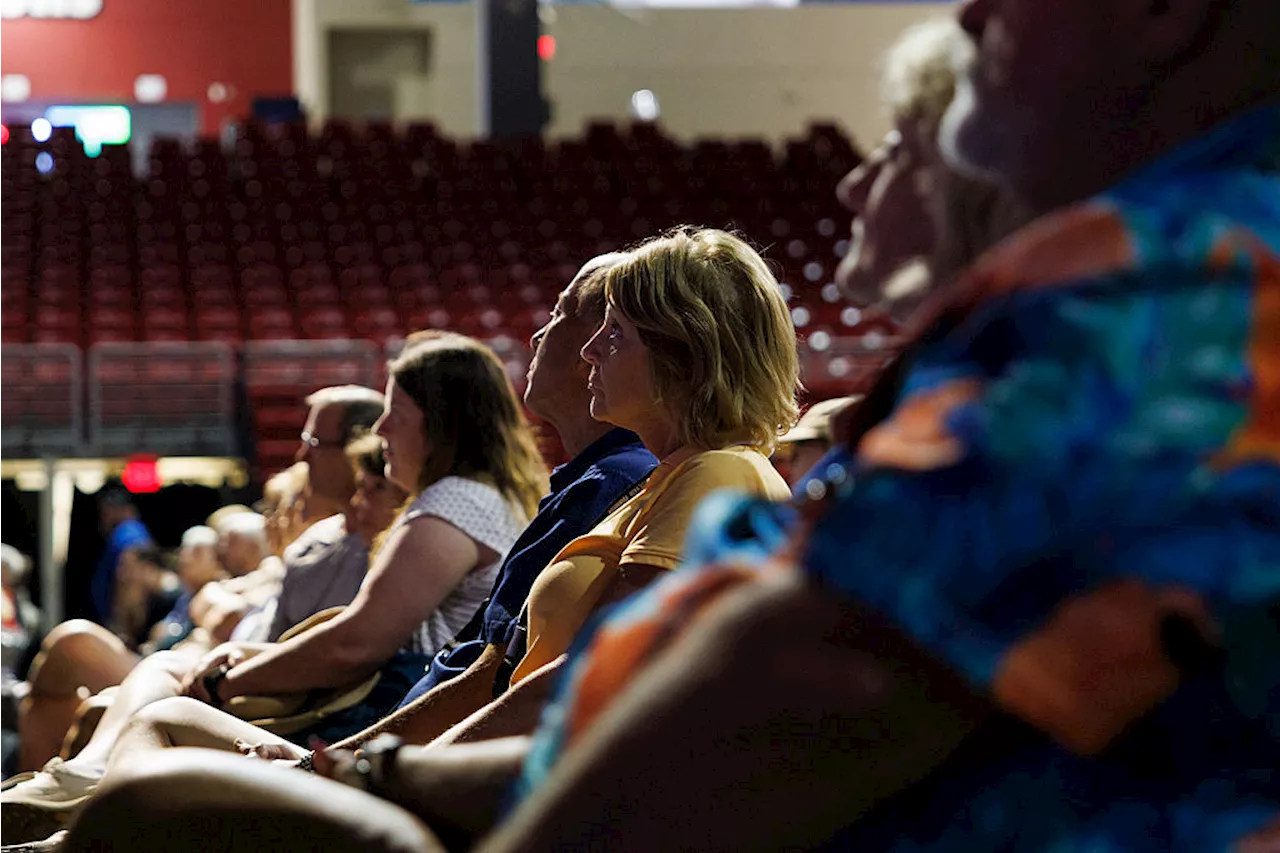
The necessity of these guides is illustrated by the starkly different philosophies presented during campaign events. For example, during a debate at the Nebraska State Fair on September 1, 2026, Sen. Pete Ricketts (R-Neb.) and nonpartisan candidate Dan Osborn presented diverging views on reproductive choices. Ricketts expressed a hope that those in difficult circumstances would choose to have their babies, citing a belief that God could transform a crime into "something incredible."
This specific interaction exemplifies the "rhetoric vs. policy" gap. While one candidate may frame the issue through a lens of faith and personal hope, the voter is left to wonder about the actual legal protections for patients whose lives are threatened by pregnancy or victims of rape. without the documented records provided by nonpartisan guides, these nuanced but critical distinctions are often lost in the heat of a public debate.
Which candidates are missing from the 2026 guides for the remaining 26 states?
While the current coverage of 24 states is a start, several critical gaps remain. The source does not specify which states are currently excluded or the timeline for expanding coverage to the remaining 26 states. Furthermore, it remains unclear how the 15 percent polling threshold is verified—whether through internal data or third-party polling—and how often these numbers are updated to include "dark horse" candidates who may surge late in the cycle.
The campaign collecting stories on how reproductive freedom shapes real lives
Parallel to the data-driven approach of voter guides , there is a growing movement to humanize these policy debates.. A new campaign is currently collecting personal narratives about how access to abortion, miscarriage care, and comprehensive sex education has allowed women to chart their own futures . This shift toward storytelling reflects a broader internet culture trend where personal testimony is used to validate political demands.
By documenting how reproductive fredom enables women to pursue education or protect their health, this initiative moves the conversation from abstract legalities to lived experiences. It suggests that for many, the vote is not just about a policy preference, but about the tangible ability to build a life on one's own terms.
Comments 0