
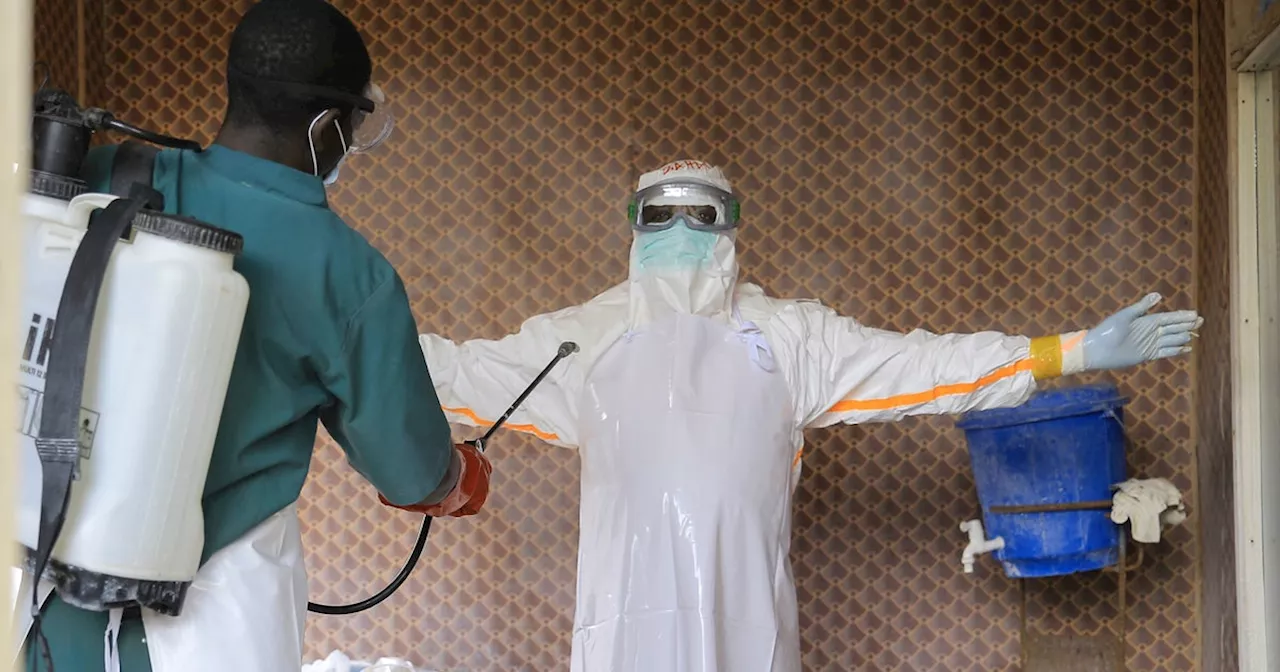
Health officials in Congo are struggling to contain a massive outbreak of the rare Bundibugyo virus, which has now surpassed 10,000 confirmed cases. Since the outbreak began in May, the disease has spread across eight provinces, leaving nearly half of those infected dead.
A faster, deadlier spread than the 2014 West Africa crisis
The current situation in Congo is escalating at a rate that dwarfs previous historical benchmarks. According to data from Congo’s Ministry of Health, the outbreak has already reached 10,060 confirmed cases, with nearly half of those individuals losing their lives. This scale is particularly alarming when compared to the 2014-2016 West Africa Ebola outbreak, which remains the largest on record with 28,000 cases.
Unlike previous epidemics, this surge is driven by the rare Bundibugyo virus, a pathogen for which there is currently no approved vaccine or specific treatment. As reported by the Associated Press, the virus has already touched five different countries, including Uganda and France, though neither currently reports active cases.
The viral video of dancing health workers in Mongbwalu
Amidst the tragedy, a moment of levity recently went viral,showing health workers in Mongbwalu, located in the Ituri province, dancing as the final two patients were discharged from a treatment center. world Health Organization Director-General Tedros Adhanom Ghebreyesus noted that while the outbreak is far from over, every life saved is worth celebrating.
However, this joy is often overshadowed by extreme hostility toward medical teams. In the Ituri province, which serves as the epicenter, responders like Sephora Bgosi of the Ebola burial team have noted that many people do not grasp the extreme danger of the disease. This mistrust has led to physical attacks on health workers and a general avoidance of hospitals.
Unpaid bonuses and strikes in the Nia Nia health zone
The medical response is being crippled by internal labor disputes and systemic underfunding. In the Nia Nia health zone of Ituri province, responders recently went on strike to protest unpaid bonuses that have been owed since late August. This instability is part of a broader pattern of delayed or unpaid wages that plagues many affected localities.
These disruptions have cascading effects on other essential services throughout Congo. The outbreak has forced a shift in resources away from other critical health battles, such as cholera, and has contributed to a doubling of maternal mortality rates in certain provinces.
- Labor unrest: Responders in Ituri province are protesting unpaid bonuses.
- Resource strain: The outbreak is diverting attention from cholera.
- Maternal health: Mortality rates have doubled in some provinces .
Why 80% of cases are appearing outside monitored contacts
A major concern for health authorities is the lack of visibility into how the virus is actually moving through the population. The Africa CDC has stated that for an outbreak to be considered under control, at least 95% of cases should come from known contacts. Currently, however, roughly 80% of recorded cases are emerging from outside monitored groups, suggesting significant, undetected chains of transmission.
This lack of surveillance leaves several critical questions unanswered: how many people are traveling with the virus before symptoms appear, and why are so many deaths occurring outside of treatment centers? The report indicates that at least half of all recorded deaths involve individuals who were never admitted to a facility, highlighting a massive gap in community reporting and symptom recognition.
Comments 0