

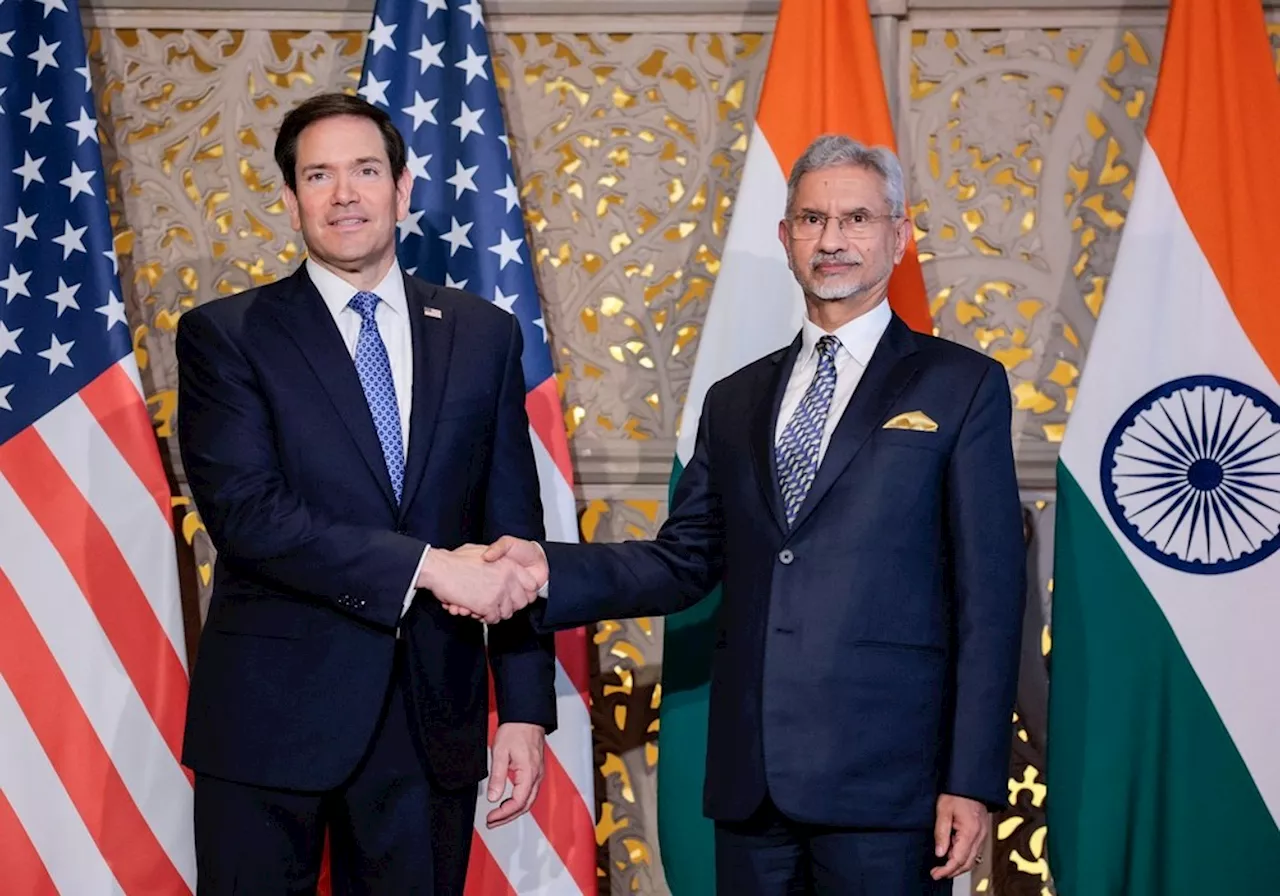
US Secretary of State Marco Rubio has signaled that a major trade deal between Washington and New Delhi is nearing completion. During a visit to Mumbai on Tuesday, Rubio indicated that the two nations are as close to a deal as possible without having officially signed it.
A pivot from Russian oil to Venezuelan crude at Jamnagar
A major component of the ongoing negotiations involves a strategic shift in how India sources its energy. According to the report, Secretary of State Marco Rubio is encouraging Reliance Industries to increase its refining of Venezuelan crude oil. This move comes in the wake of the Trump administration’s arrest of former Venezuelan leader Nicolas Maduro in January, which has led to a ramp-up in Venezuelan oil production.
Rubio is scheduled to visit the Jamnagar Refinery in Gujarat, a massive facility capable of processing approximately 1.4 million barrels of crude oil per day. The refinery is uniquely equipped to handle the ultra-heavy crude produced in Venezuela. rubio noted that while India has diversified its energy sources, it still relies on substantial volumes of Russian oil, stating that "it’s hard to pivot from one day to the next."
Why poultry, dairy, and rice remain agricultural sticking points
Despite the optimism in Mumbai, deep-seated disagreements over agricultural protectionism continue to haunt the talks. Previous negotiations between Washington and New Delhi have frequently stalled because of India's refusal to open sensitive sectors to U.S. competition. Specifically, the report notes that India remains protective of its poultry, dairy, rice, and wheat markets.
New Delhi is also fighting to ensure its exporters maintain a competitive edge against regional rivals like China, Vietnam, and Bangladesh. While a framework established in February managed to lower certain rates to 18 percent, the struggle to balance domestic agricultural interests with international trade demands remains a central tension in the bilateral relationship.
Legal battles over Trump's tariffs create a value vacuum
The stability of the proposed trade deal is also being tested by domestic legal challenges within the United States. Experts, including Ajay Srivastava of the Global Trade Research Initiative, have pointed out that uncertainty regarding the legal basis for President Trump’s tariffs has delayed progress. As the report highlights, once the previous tariff regime was struck down, the actual value of the U.S. offer became unclear.
This legal volatility was underscored on Tuesday when a food importer filed a lawsuit to block new tariffs on Canadian imports, alleging executive overreach. This follows a summer where Trump levied tariffs on $20 billion worth of Canadian goods in response to disputes over cars, alcohol, and dairy. such litigation creates a precarious environment for finalizing long-term economic terms with India.
What the 'small number of items' left to wrap up actually are
While Rubio expressed confidence that the remaining hurdles would be cleared "shortly," several specific details remain unverified. It is currently unknown exactly which "small number of items" are preventing the final signature,nor has it been clarified how the U.S. will address India's continued reliance on Russian oil in the final text. Furthermore, the report does not specify if the agricultural concessions requested by the U.S . will be met with the same intensity as the energy pivots being discussed.
Comments 0