
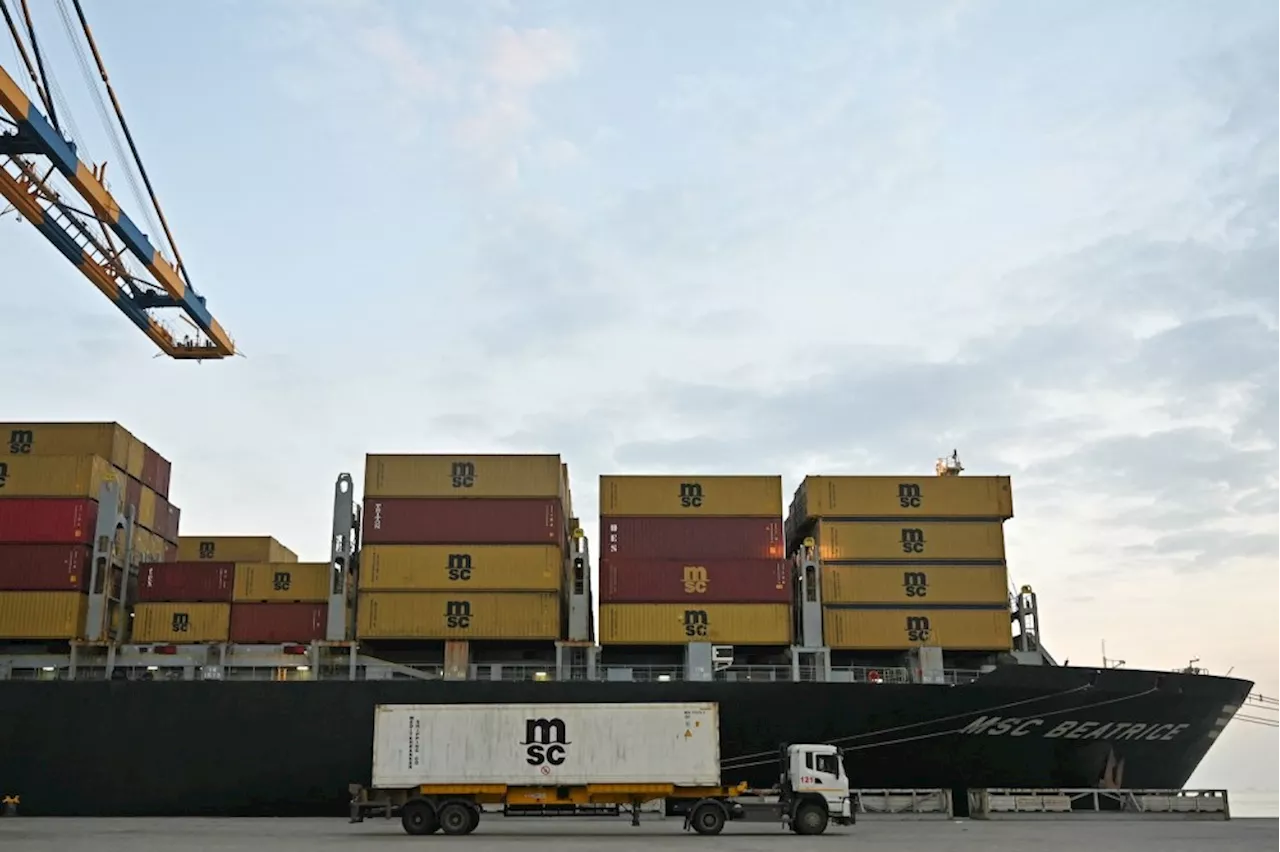
A sudden drop in shipping capacity and a surge in Indian exports have sent container prices skyrocketing by over 460%.. This supply-demand mismatch is creating a massive logistical bottleneck for goods traveling from India to the United States .
A 461 percent jump in container prices since May
The cost of moving goods from India to the United States has raeched a breaking point. As of late September, spot rates for a 40-foot container hit approximately $11,000, a massive increase compared to earlier this year.
The financial impact of these changes is visible in the dramatic rise of spot rates. on May 8,the average price to transport a container on this trade lane was just $1,960, but that figure has since climbed by 461 percent, according to the OEC Group.
How MSC and ONE's network shifts slashed market capacity
Carrier network redesigns are a primary driver of the current capacity shortage. The OEC Group reports that shipping lines are becoming increasingly aggressive about managing their available supply through service suspensions and "blanking" sailings.
Major ocean carriers have significantly reduced the amount of available space on the water. The OEC Group estimates that MSC’s withdrawal from certain routes caused a 20 to 25 percent reduction in market capacity, while ONE’s network shifts cut space by another 2 to 5 percent.
Congestion at Nhava Sheva and Mundra Ports
Indian gateway ports are facing unprecedented pressure from rising export volumes. nhava Sheva Port, also known as Jawaharlal Nehru Port, handled a record 831,956 TEUs in August, while Mundra Port saw its throughput increase 12.9 percent to 819,046 TEUs, according to data from Adani Ports and Special Economic Zone.
Regional bottlenecks are extending beyond the Indian coastline to include the Port of Colombo in Sri Lanka. Flexport reported that the South India-Sri Lanka-to-U.S. East Coast corridor has become the most constrained route as carriers omit calls to the port due to growig backlogs.
Will Maersk’s new 9,000 TEU vessel solve the shortage?
The arrival of larger vessels like the 9,000 TEU Maersk San Cristobal at Nhava Sheva on September 21 offers a potential, though uncertain, remedy. While Maersk expects larger ships to add capacity later this year, it remains unclear if this can offset the 21.8 percent year-over-year jump in Indian merchandise exports to the U.S.
Extreme surcharges are already being applied by major carriers to manage the volatility. maersk has implemented a $11,650 peak season surcharge per container,while CMA CGM has introduced a $10,000 surcharge for cargo moving from the Indian subcontinent to the U.S. east and Gulf Coasts.
Comments 0