
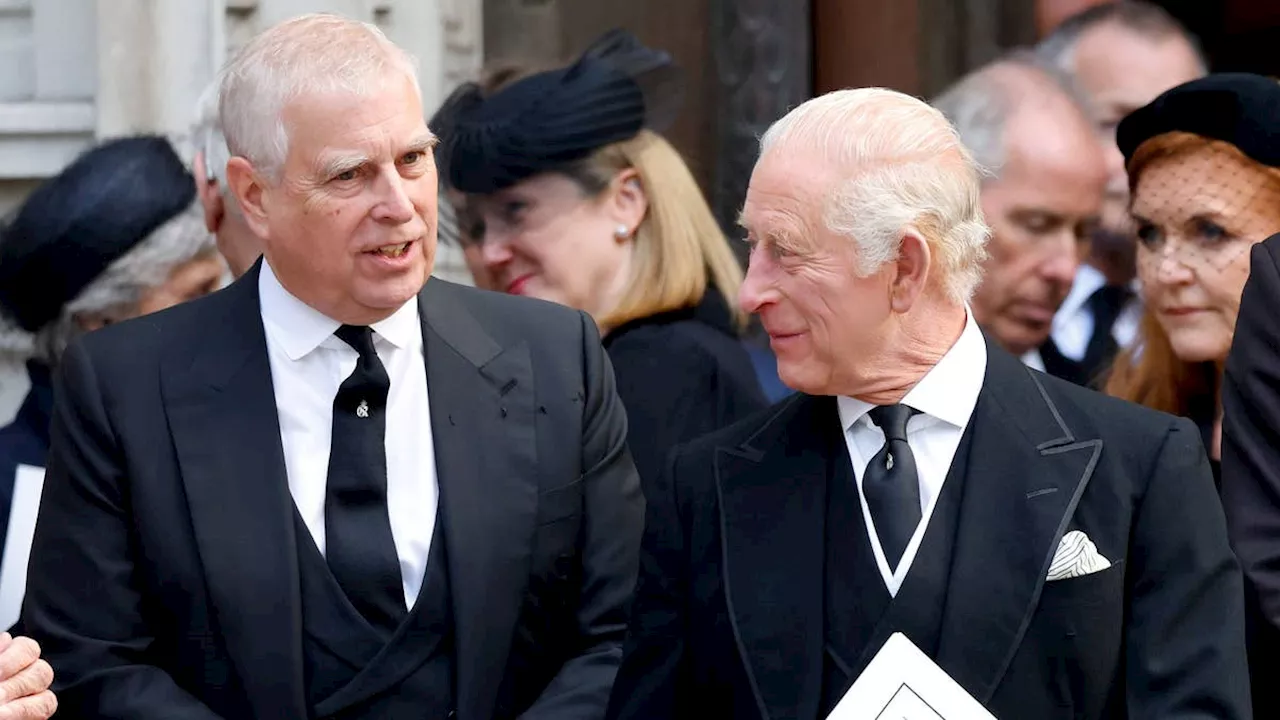
King Charles III is planning to transform part of the Sandringham estate in Norfolk into a wetland area. This conservation project, located near Prince Andrew's residence at Marsh Farm, aims to support local cattle through a process of rewetting the land.
The return of British White cattle to Norfolk's marshlands
The Sandringham estate is preparing for a significant ecological shift to support the grazing of British White cattle. These animals are among the earliest recorded domestic cattle breeds in Britain, with deep historical roots in the Norfolk region dating back to the late 1700s. To facilitate this, the monarch plans to create a series of "bunds" to retain water and turn former reclaimed land back into a functional bog.
According to the report, the King’s Lynn and West Norfolk Council has already given the green light for this bog project. the plan involves a gravity-fed inundation from the River Ingol via a "scrape" to ensure the land remains sufficiently wet for the cattle.. This move aligns with King Charles III's broader commitment to sustainability at Sandringham, which already includes a solar panel farm and a biomass boiler to heat the main house.
A landscape once described as "steaming ooze" in 1904
While the project serves an environmental purpose, the physical reality of a bog may be less than glamorous. Historical accounts of the area suggest that the terrain can be quite difficult to navigate. As the article notes, a book titled The King's Homeland from circa 1904 described the shores of the Wash as an "apparently limitless expanse of gleaming—and often steaming—ooze."
This historical context highlights why the transformation of the marshland might be viewed as an "unpleasant" change for those living nearby. The project essentially reverses decades of drainage work, returning the area to a more primal, muddy state that was once a defining feature of the Norfolk coastline.
How the 2027 Sandringham closure provides Prince Andrew more seclusion
The environmental changes at Sandringham may inadvertently provide Prince Andrew with a greater degree of privacy. The estate is currently closed to the public and is not scheduled to reopen to visitors until the spring of 2027. Because Prince Andrew lives at Marsh Farm—situated roughly two to three miles from the main Sandringham House—the lack of visitor traffic will significantly reduce the number of people roaming the wider estate.
Since moving to the property, Prince Andrew has occasionally been seen walking his dogs, including the corgis he originally purchased for the late Queen Elizabeth II.. The creation of the new wetland area near Wolferton will act as an additional natural buffer between his residence and the more populated areas of the estate, further isolating his living space during this period of exile.
Will Natural England grant the final nod for the River Ingol project?
Despite the local council's approval, the project is not yet fully cleared to begin.. The final stage of the process requires a formal nod from Natural England before any construction on the bunds or water inundation can commence. Until that official permission is granted,the exact timeline for the rewetting of the Marsh Farm area remains unconfirmed .
There are also questions regarding how the new water levels will affect the immediate surroundings of Marsh Farm. While the report focuses on the benefits for the British White cattle, it remains to be seen if the local drainage patterns will cause any unforeseen issues for the residents of the estate or the surrounding Wolferton area.
Comments 0