
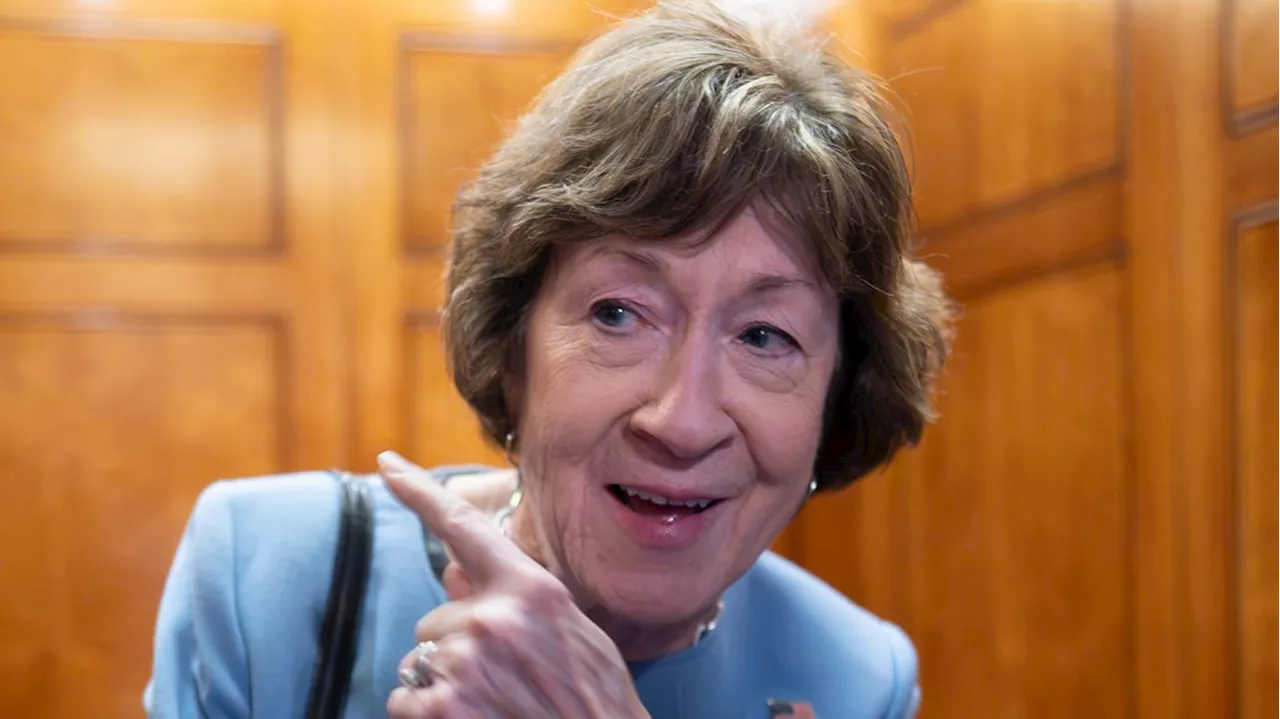
Senator Susan Collins recently highlighted a specific legislative victory regarding Canadian tariffs. while the Senator pointed to cost savings for local municipalities, the move has drawn sharp criticism from those who believe her focus is misplaced.
The $10,000 road salt victory Senator Susan Collins claimed
Senator Susan Collins recently touted a specific achievement regarding trade policy . According to the report, the Senator boasted about successfully removing concrete, pulp, and road salt from the Canadian tariff list. Collins emphasized the local impact of this move, noting that a single small town in her state would have faced an additional $10,000 expense for road salt this winter without her intervention.
By focusing on this specific commodity, the Senator aimed to demonstrate her direct influence on the economic well-being of her constituents. For a small municipality, a $10,000 swing in a single budget item is a significant win, and Collins used this figure to frame herself as a successful advocate for local interests.
Why critics argue "we can't eat road salt"
While the Senator framed this as a win for her constituents, the reaction was far from unanimous. a critic, as reported, mocked the focus on such a niche victory, famously stating, “We can’t eat road salt.” The criticism suggests that while a $10,000 saving for one town is tangible,it pales in comparison to the broader economic pressures facing the country.
The backlash centers on the idea that small-scale wins are being used as a shield against much larger, more painful economic realities. The critic argued that the focus on salt is a distraction from the fact that many citizens are struggling to afford basic necessities due to wider economic shifts.
The tension between local wins and Trump-era trade policies
This debate highlights a growing divide within the Senate regarding how to handle the legacy of Trump-era trade policies. As the chair of the Senate Appropriations Committee, Susan Collins is in a position to influence significant spending and trade decisions. However, the report says critics are frustrated that she is not doing more to rein in the broader tariff policies that contribute to rising costs for thousands of items.
This tension reflects a broader struggle within the political landscape :the choice between achieving incremental, highly visible wins for specific districts versus tackling massive, systemic issues like national inflation and international trade wars. For many, the road salt victory feels like a minor footnote in a much larger, more volatile economic story.
The unidentified critic and the unanswered questions on the Iran war
Despite the heated exchange, several details regarding the political fallout remain unclear. The report does not identify the specific individual who criticized the Senator's road salt boast, leaving the identity of this vocal opponent unknown . This makes it difficult to determine if the criticism is coming from a political rival or a concerned constituent.
Furthermore, while the critic mentioned the Iran war and its potential impact on the cost of driving, the source does not provide Senator Collins' official response to these larger geopolitical and economic concerns. it also remains unverified how much the broader tariff list—beyond road salt—is currently impacting the average consumer's ability to afford basic necessities.
Comments 0