
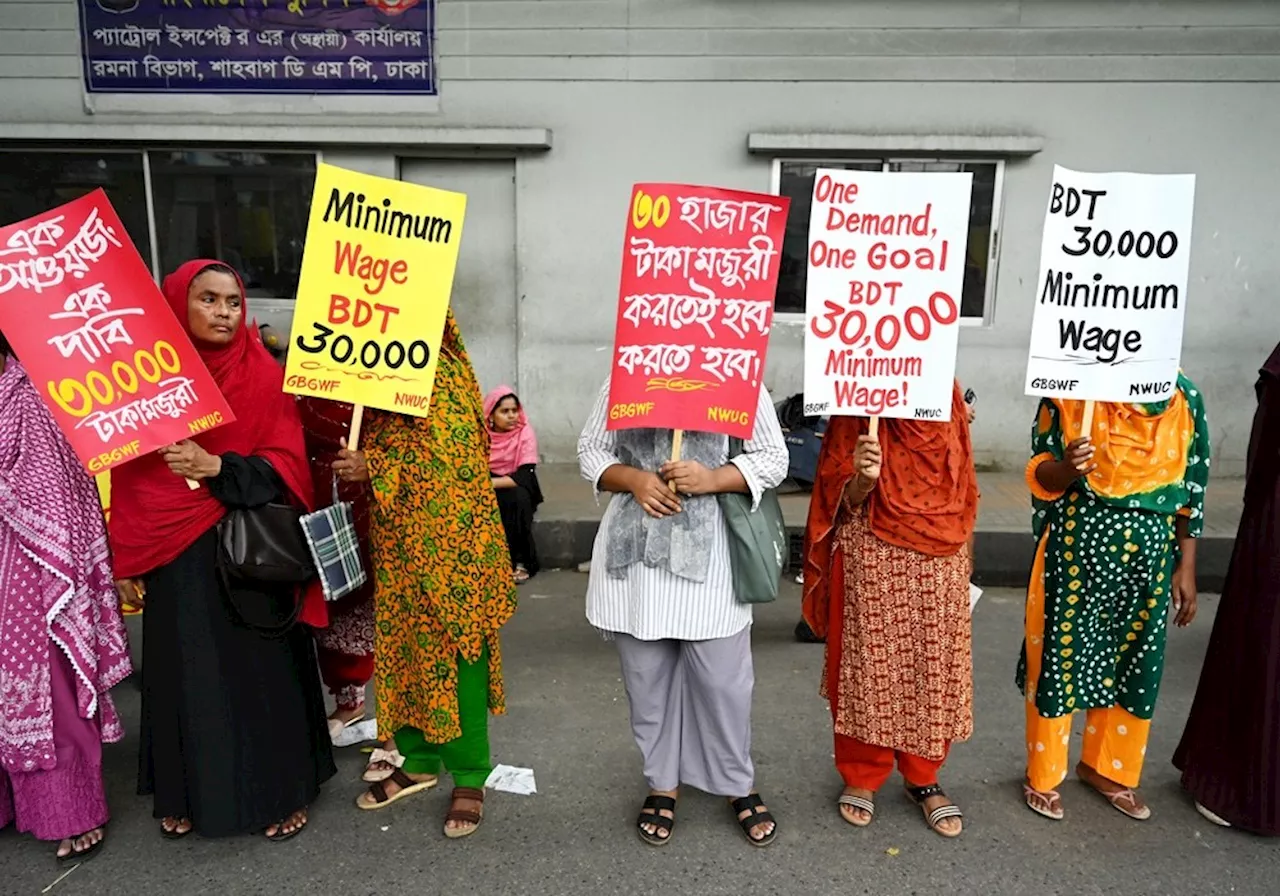
Garment workers in Bangladesh are staging massive protests to demand a significant increase in the national minimum wage. The movement seeks to raise the monthly floor from 12,500 taka to 32,000 taka to combat soaring inflation and the rising cost of living in Dhaka.
The 29% inflation gap since the 2023 wage review
Consumer prices in Bangladesh have risen by approximately 29 percent since the last minimum wage was set in 2023. This inflationary spike has significantly eroded the purchasing power of the country's manufacturing workforce, making the current 12,500 taka ($100) minmium wage insufficient for basic survival .
The Anker Research Institute has calculated that a true living wage in Dhaka's satellite cities should be roughly 25,166 taka, while the amount needed for Dhaka proper is closer to 30,459 taka. according to the Clean Clothes Campaign, a survey of over 1,000 workers revealed that 89 percent of respondents found their current wages inadequate to cover essential expenses like food, rent, and healthcare.
The pressure on H&M and Inditex to absorb higher labor costs
Major apparel brands, including H&M Group, Inditex (the owner of Zara), and Uniqlo's parent company Fast Retailing, are facing intense pressure to support the 32,000 taka demand. Activists argue that these global companies must do more than offer verbal support; they must "fully absorb" the higher labor costs within their purchasing prices to ensure suppliers can afford the increase.
As reported by Sourcing Journal, many brands have responded to inquiries with standard boilerplate commitments to respect collective bargaining. While H&M Group stated it supports "meaningful wage increases" and updates its costing tools to reflect new wages, the company noted it does not directly determine the wages paid by its suppliers. This creates a tension between the brands' public human rights commitments and the economic reality of their suppy chains.
The human toll of the protests , including the death of Toufiq Sheikh
The struggle for higher wages has already turned violent in the streets of Dhaka,leading to significant injury and death. Local media reports indicate that 21-year-old Toufiq Sheikh died from injuries sustained during clashes between protesters and authorities. The protests have seen police deploying water cannons, tear gas, and batons to disperse crowds blocking highways.
Kalpona Akter, the executive director of the Bangladesh Center for Workers Solidarity , noted that workers are protesting with "bare hands" against a system that leaves them unable to afford basic necessities. While some officials have blamed "politically motivated agitators" for the unrest, Akter maintains that the core of the movement is driven by the dire economic circumstances of the workers themselves.
What Monday's wage board meeting will decide for Dhaka's workers
The upcoming Monday meeting of the wage board represents a pivotal moment for the future of the Bangladeshi garment indstry. The board is set to review counterproposals from employers who argue that a 140 percent wage hike is impossible due to the ongoing energy crisis and new U .S. tariffs.
Several critical questions remain as the negotiations approach. It is currently unclear if the employers' counterproposals will approach the 32,000 taka mark or if they will remain closer to the current levels. Furthermore , it remains to be seen if major brands will move beyond vague assurances to provide the financial guarantees necessary to make a meaningful wage increase sustainable for local factory owners.
Comments 0