
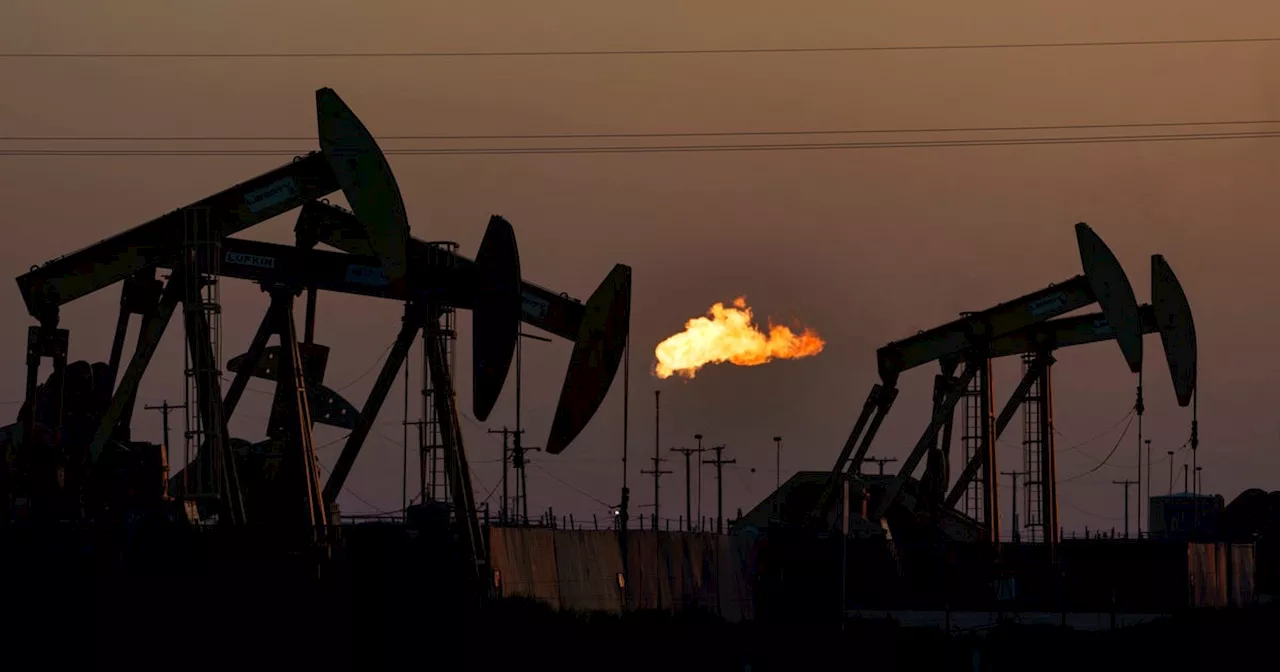
Donald Trump announced at a campaign rally in Texas that his administration intends to scrap Biden-era methane regultaions. The move is designed to reduce costs for energy producers and unlock approximately 210 million barrels of oil.
The $45 billion plan to unlock 210 million barrels of oil
Donald Trump stated during his Texas rally that terminating existing methane regulations would save consumers and energy producers roughly $45 billion in costs. According to the report, this policy shift is intended to facilitate the release of 210 million barrels of oil, a volume roughly equivalent to 10 days of total U.S. petroleum consumption.
Supporters of the rollback, including Zeldin, have argued that the previous methane rules were an economic burden, costing an estimated $18 billion and hindering the growth of the U.S. energy industry. by removing these restrictions, the administration aims to prioritize immediate energy production and lower operational expenses for drilling companies.
The 58-million-ton methane reduction goal for 2038
The Biden administration's previous regulations were designed to curb the release of methane, a gas that is significantly more potent than carbon dioxide in the short term. Federal officials under Biden claimed the rule would have prevented an estimated 58 million tons of methane emissions by the year 2038.
Methane is primarily released through leaks in equipment or burned off as a waste product during oil and gas operations. As the source states, these operations represent the largest industrial source of this invisible gas, which contributes heavily to the acceleration of climate change.
Small wells: 6% of production, 50% of methane
A critical component of the previous regulatory framework focused on small oil and gas wells,which represent a disproportionate environmental risk. While these smaller wells produce only about 6% of the nation's oil and gas, they are responsible for up to half of all methane emissions from oil and gas fields.
The Biden-era rule required companies to investigate and repair major methane releases from these facilities and set specific standards for smaller operations. The Trump administration's decision to set less restrictive standards for these wells effectively removes the requirement for operators to plug leaking methane from these high-emission sites.
The $98 billion question of social emission costs
There is a massive discrepancy between the economic savings promised by the Trump administration and the projected benefits of the previous rules. the Biden administration's regulations were projected to yield $98 billion in benefits by 2034, a figure calculated by accounting for the "social costs" of greenhouse gas emissions on public health and the environment .
Environmental groups have raised several concerns regarding the implications of this rollback, including:
- The loss of captured energy: Environmentalists argue that the rollback allows companies to continue polluting with gas that could instead be captured to power milions of households.
- The "free pass" for polluters: Fred Krupp, President of the Environmental Defense Fund, stated that the move gives companies a "free pass" at the expense of American consumers.
- The repeal of the waste emissions charge: The previous framework included a fee of up to $1,500 per metric ton of methane for producers exceeding certain limits, a fee that Congress has since repealed.
One major question remains: how will the public account for the health and environmental costs that the $98 billion projection intended to mitigate? While the administration focuses on the $45 billion in direct savings, the long-term impact on air quality and climate stability remains a significant, unquantified variable in this economic equation .
Comments 0