
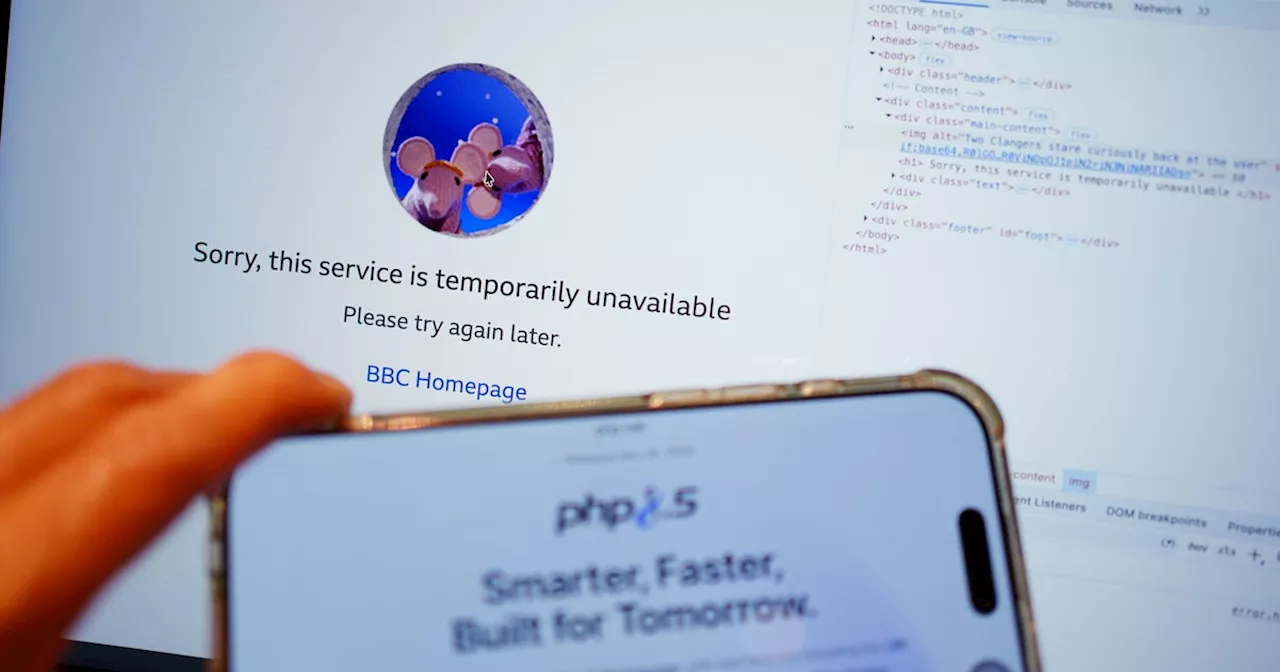
On Thursday, October 22, 2026, a massive cybersecurity crisis unfolded as critical vulnerabilities in the PHP programming language were exposed . This discovery triggered millions of hacking attempts worldwide, prompting governments from Japan to Finland to preemptively shut down essential digital services.
Cloudflare reports millions of hacking attempts following the PHP announcement
Cloudflare CEO Matthew Prince reported a massive and rapid escalation in malicious activity following the disclosure of the PHP vulnerabilities. According to the cloud services firm, the network saw thousands of exploitation attempts in the ten hours before the public announcement, which then jumped to hundreds of thousands within just two hours of the news breaking.
The scale of the surge has left even industry leaders stunned. At a company event in Cologne, Germany, Microsoft CEO Satya Nadella noted that he had not seen an episode of this magnitude in a very long time. nadella emphasized that the current crisis underscores the urgent need for digital systems that are built to be maintained securely.
How AI-driven discovery of PHP flaws created a global race
The discovery of these vulnerabilities marks a significant shift in the cybersecurity landscape, as the flaws were uncovered through the use of artificial intelligence. This technological leap has created what experts describe as a high-stakes race between defenders and attackers.
Madeline Lawrence, co-founder of the Belgian cybersecurity firm Aikido Security, explained that the situation is particularly volatile because details of the flaws became public before all fixes were ready. As reported by Reuters, this has forced companies into a desperate race to update their systems against attackers who are also utilizing AI to find and exploit these specific weaknesses.
Major Japanese firms and European agencies take services offline to prevent breaches
In Japan, the response to the PHP vulnerability has involved the temporary suspension of several high-profile internet services.. Major entities, including the brokerage Nomura, lendeer Mitsubishi UFJ Financial Group, airline ANA, and East Japan Railway, have implemented emergency measures to protect their networks.
Governmental agencies in Japan, such as the Ministry of Finance, the Meteorological Agency, and the National Tax Agency, have also partially suspended online services. Similarly, in Europe, the French telecoms group Orange suspended access to several PHP-based applications, while Finland’s state IT provider,Valtori, spent the night installing security patches to protect government web services.
Will hackers exploit the PHP flaws before patches are fully tested?
A central concern for IT professionals is whether the premature leak of the PHP flaws has given hackers a permanent advantage. an expert noted that the critical flaw was revealed earlier than intended, allowing bad actors to begin scanning for vulnerable websites before developers could deploy widespread fixes.
While the threat is immense, the full extent of the damage remains unverified. For example,Valtori Director General Hannu Naumanen stated that while the company had to block services, they were not aware of any active exploitation of the flaws at that time. However, the recovery process is expected to be slow, as restoring services requires careful testing to ensure that updates do not break critical infrastructure.
Comments 0