
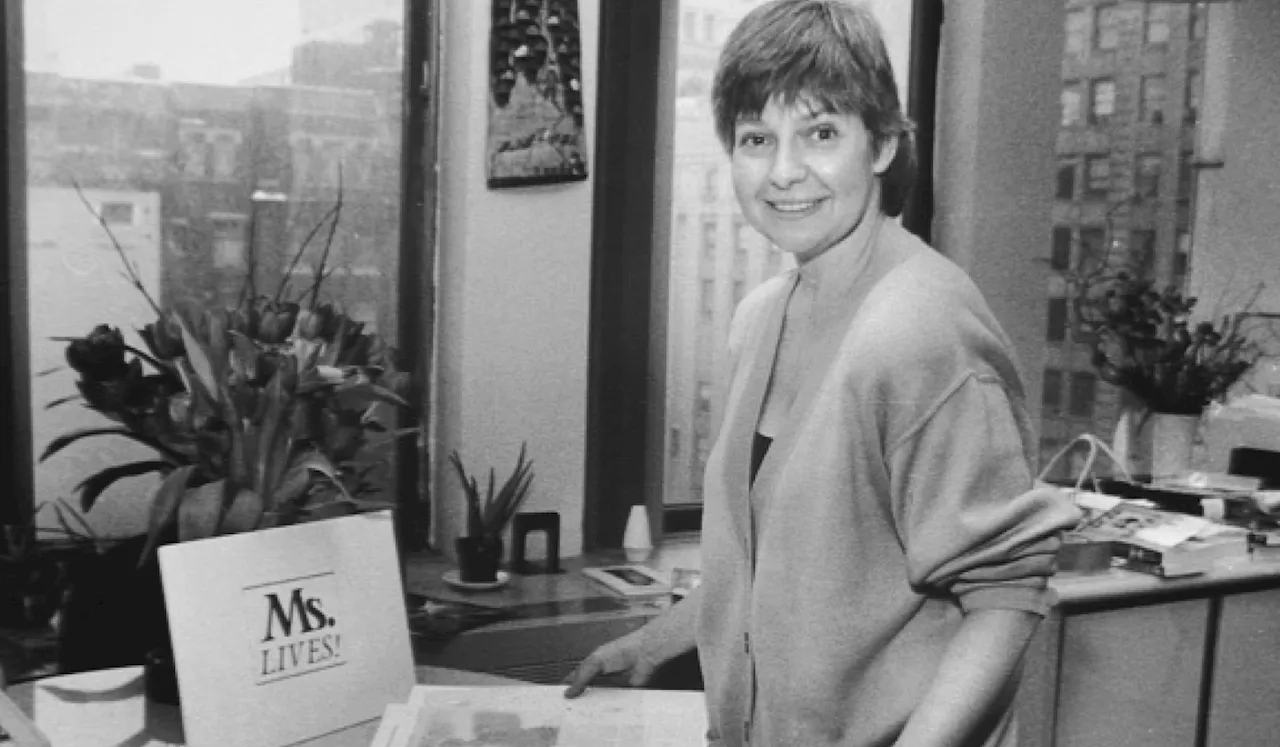
Robin Morgan, a pivotal figure in the global feminist movement and former editor of Ms. magazine, passed away on September 5, 2026, at age 85. She left a legacy spanning child stardom, pioneering journalism, and decades of political organizing.
From the 'ideal American girl' of the 1950s to a radical activist
Long before she was a feminist icon, Robin Morgan was a curated public figure. Born in 1941, Morgan was a child model and a radio personality with a weekly national program that aired until 1957. The General Federation of Women’s Clubs of America even labeled her the “ideal American girl,” a title that Morgan eventually rejected in favor of a more authentic, intellectual life as a writer and organizer.
This early experience with public expectation likely fueled her later rebellion. According to the report, Morgan transitioned from the spotlight to the front lines of civil rights, working with the Congress on Racial Equality (CORE) and the Student Nonviolent Coordinating Committee (SNCC). However, Morgan often found these organizations lacking in their treatment of women, a realization that pushed her toward the radical feminist circles of New York City and the feminist takeover of the newspaper Rat.
How Robin Morgan led Ms. magazine from 1989 to 1994
Robin Morgan’s influence on feminist media was cemented during her tenure as editor-in-chief of Ms. magazine from 1989 to 1994. While she had been a contributor since 1979,her leadership as editor focused on blending intellectual feminist theory with raw, human emotion. She believed that poetry and fiction could often communicate political truths more effectively than rhetoric alone.
As the report notes, Morgan viewed Ms. magazine as a "real family" and a gateway for women who had never encountered femniism before. By championing unpublished writers alongside established voices, Robin Morgan ensured that the publication remained a diverse assemblage of women’s experiences, bridging the gap between academic theory and the lived reality of women across different classes and races.
The global perspective of Sisterhood is Global and the Women's Media Center
Morgan’s vision extended far beyond American borders , a commitment exemplified by her work on Sisterhood is Global. This project collected manifestos and testimonies from around the world, questioning whether women in different nations could own property, vote, or access birth control. This global lens was a hallmark of her career, emphasizing that the struggle for equality was a cross-cultural necessity.
To further this mission, Robin Morgan co-founded the Women's Media Center alongside Jane Fonda. The organization was designed to combat the underrepresentation of women in media, with a specific focus on amplifying the voices of women of color. This move reflected a broader trend in the movement to shift from a monolithic view of womanhood toward a more intersectional approach to justice and visibility.
The unfinished book on the rise of AI and the fall of the Towers
Despite a Parkinson’s diagnosis 17 years ago that limited her travel, Robin Morgan remained an active intellectual until her final days. She had been working on several major prrojects that now remain unfinished, including a new novel and a book of essays that aimed to trace the cultural trajectory from the September 11 attacks to the emergence of artificial intelligence .
The loss of these works leaves a gap in our understanding of how one of the movement's primary architects viewed the digital age. It remains unclear how much of the AI-focused manuscript was completed or if her final poems, which she claimed happened "no matter what," will be published posthumously. Her death, occurring just days after that of her partner and fellow feminist Gloria Steinem, marks the end of an era for the contemporary women's movement.
Comments 0