
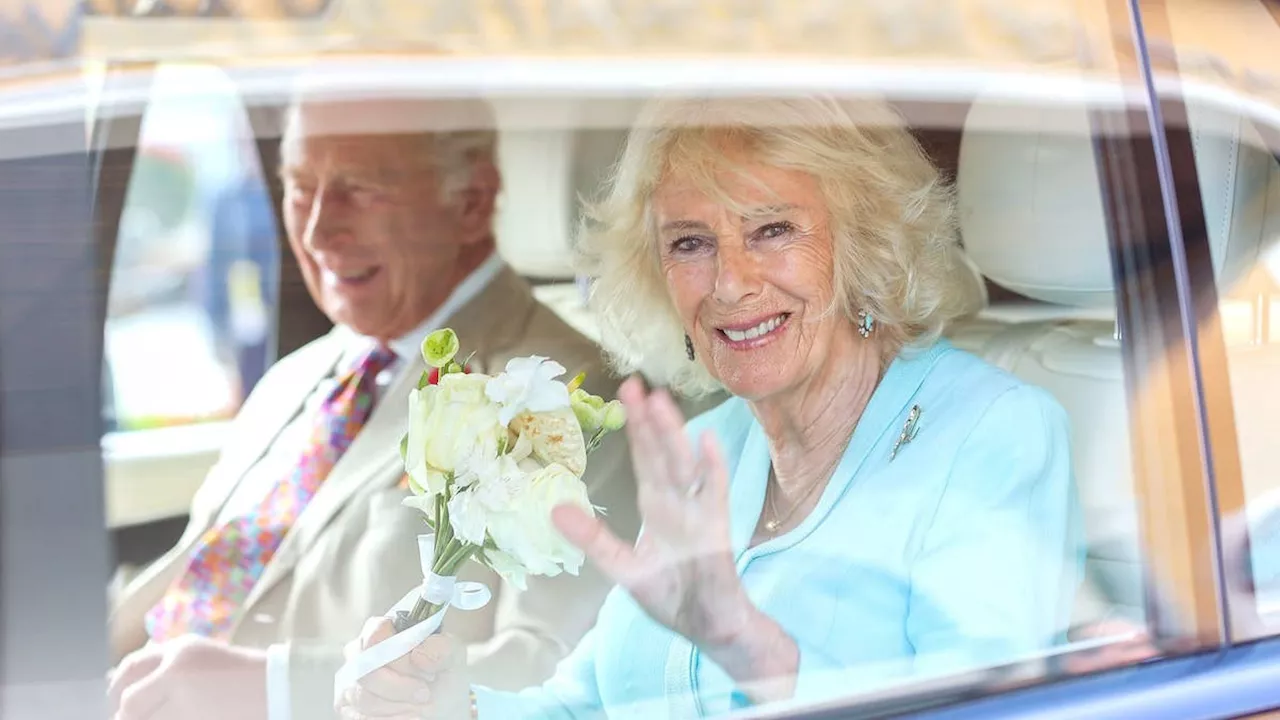
King Charles and Queen Camilla are currently in Antigua and Barbuda to observe the nation's 45th Independence Day.. As they prepare for the Commonwealth Heads of Government Meeting, the monarch faces intense pressure to address Britain's historical role in the slave trade.
A 45th Independence Day celebration at the Sir Viv Richards Stadium
The atmosphere in Antigua and Barbuda is one of celebration as the nation marks four and a half decades of independence. According to the report, the festivities include a spectacular parade and a high-profile cricket match held at the Sir Viv Richards Stadium. This sporting event features Commonwealth leaders, including President William Ruto of Kenya and President Mohamed Irfaan Ali of Guyana, competing on opposing teams.
While the local government is keen to ensure that discussions regarding Britain's colonial legacy do not overshadow the visit, the religious community has already set a serious tone. During a service at St John’s Pentecostal House of Restoration, Bishop Ernest Flemming delivered a sermon emphasizing that true partnership requires mutual respect and fairness—a message that resonates deeply with the current diplomatic tensions.
PM Gaston Browne’s demand for reparatory justice
The diplomatic pressure on the monarch is being driven by prominent leaders, most notably Prime Minister Gaston Browne of Antigua and Barbuda. Mr. Browne has been a vocal advocate for reparatory justice for nations impacted by the transatlantic slave trade. As the source notes, the Prime Minister reiterated his demands for reparations just hours before his scheduled meeting with the King.
This push for accountability comes at a time when the King is attempting to balance his personal relationships with the heavy expectations of member nations.. While the King has spent decades building connections across the Commonwealth,the demand for formal reparations represents a significant shift in the political landscape of these international relations.
The constitutional limits of the Head of the Commonwealth role
King Charles is navigating a complex legal and political boundary during this summit. He is addressing the gathering in his capacity as the Head of the Commonwealth rather than as a representative of the UK Government. This distinction is vital,as the monarch does not have the authority to make official government decisins regarding apologies or financial reparations.
The political environment in the UK has also shifted, with mentions of formal apologies being discussed by figures such as Andy Burnham. A senior Palace aide described the King's current position as a "diplomatic tightrope," noting that His Majesty is well-practiced in handling challenging visits involving complex historical issues. This tension highlights the gap between the symbolic role of the Crown and the political responsibilities of the British state.
Will the King’s speech address the calls for a formal apology?
Despite the mounting pressure from various Commonwealth leaders, significant questions remain regarding the King's actual response. While Palace sources insist that the King's planned remarks will not change, there is intense scrutiny over whether his words will offer any meaningful acknowledgment of the past. Two key questions remain unanswered: will the King's speech deviate from the established Palace stance to offer more direct language, and how will he manage the growing gap between his personal diplomacy and the political demands of member states?
The King's ability to manage this moment will be further supported by Queen Camilla, who has been his closest ally throughout his reign. As the King continues his cancer treatment,his stamina in managing these high-stakes diplomatic encounters will be closely watched by both the public and international leaders.
Comments 0