
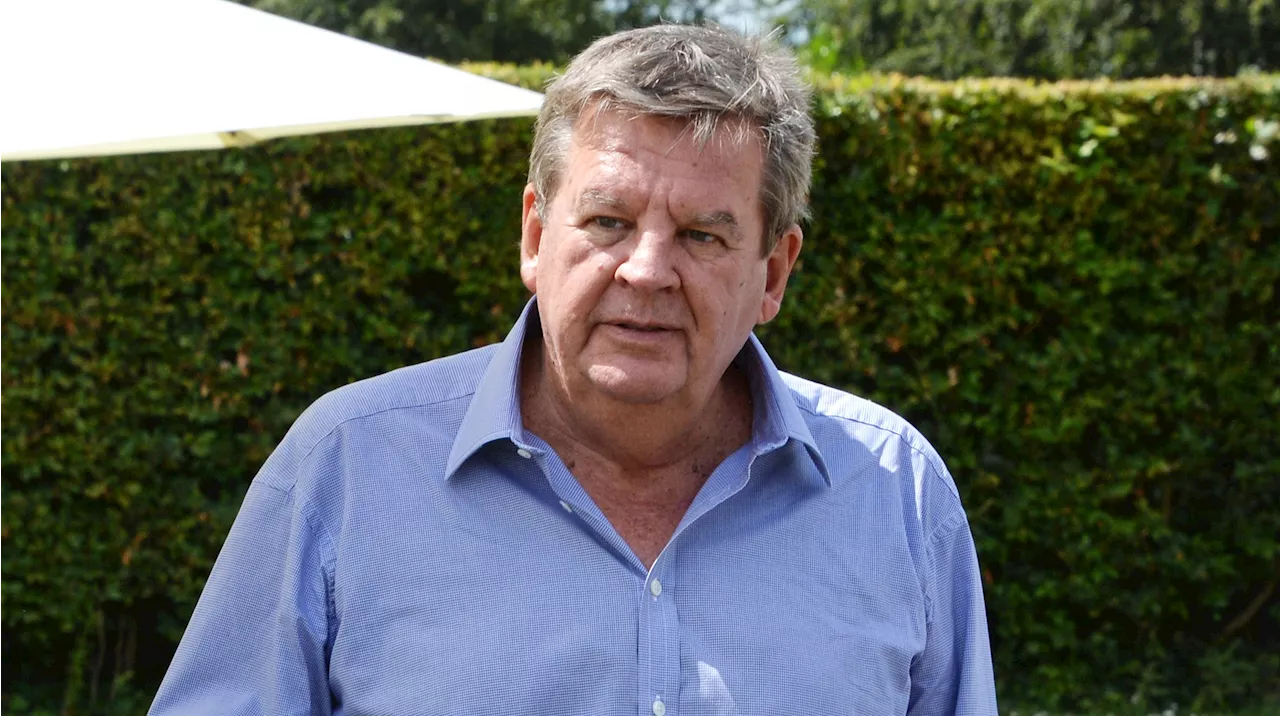
Gareth Penny's Global Diamond Consortium is attempting to acquire the 85 percent holding in De Beers currently owned by Anglo American. This transition is backed by Botswana's President Duma Boko, who aims to increase his country's ownership to 30 percent.
The 85 percent stake in De Beers that Anglo American is selling
Anglo American is moving away from the diamond sector to prioritize its investments in copper and premium iron ore. According to the report, the company has held a stake in De Beers since the 1920s and took full control in 2011, but it is now seeking to divest or de-merge the business to improve "strategic flexibility."
This pivot by Anglo American reflects a wider trend in the mining industry where conglomerates are streamlining their portfolios to focus on materials essential for the green energy transition, such as copper. By offloading De Beers, Anglo American can distance itself from the volatile luxury goods market and double down on industrial metals.
Why President Duma Boko is pushing for a 30 percent stake in De Beers
President Duma Boko of Botswana has formally endorsed the bid by Gareth Penny's Global Diamond Consortium. As reported, Boko announced plans to double Botswana's stake in De Beers Group to 30 percent, a move that would position the nation as the largest shareholder in the company.
This is more than a financial transaction; it is a geopolitical statement. President Duma Boko noted that for the first time, diamond-producing nations in the region will sit at the ownership table of the company that markets their stones. The goal is to ensure that local resources bring local prosperity, shifting the power dynamic from Western corporate boardrooms to the countries where the diamonds are actually mined.
Al Cook , the current CEO of De Beers Group, has welcomed this decision, stating that the company welcomes owners who share high ambitions for the future of the industry. This alignment between the Botswana government and the Global Diamond Consortium suggests a new era of partnership in the luxury supply chain.
The legcy of a company that controls one-third of the world's rough diamonds
De Beers has been the defining force of the diamond industry since 1888, maintaining a level of market influence that is almost unprecedented in the luxury world. The company currently produces approximately one-third of the world's rough diamonds by value, giving it immense power over pricing and distribution.
Beyond the mines, De Beers operates a vertically integrated model that spans marketing and retail, including the ownership of 24 De Beers London jewelers stores globally. For the Pembece reader, this means that the entity controlling the source of the diamonds also controls the narrative of luxury and the retail experience in some of the world's most exclusive shopping districts.
The silence from Richemont CEO Nicolas Bos and Signet
Despite the public endorsement from the Botswana government, several key corporate players are maintaining a strategic silence. Richemont CEO Nicolas Bos declined to comment on the reported plans for De Beers, and the jewelry giant Signet also refused to comment on a potential deal.
This leaves several critical questions unanswered. It is currently unclear whether the Global Diamond Consortium is acting as a formal vehicle for Richemont or as a separate entity led by Gareth Penny. Furthermore, while the bid is public , the exact financial terms of the acquisition and the timeline for Anglo American's exit remain unverified. The industry is left to wonder if this is a consolidation of power that will lead to higher prices for consumers or a more ethical, localized approach to diamond sourcing.
Comments 0