
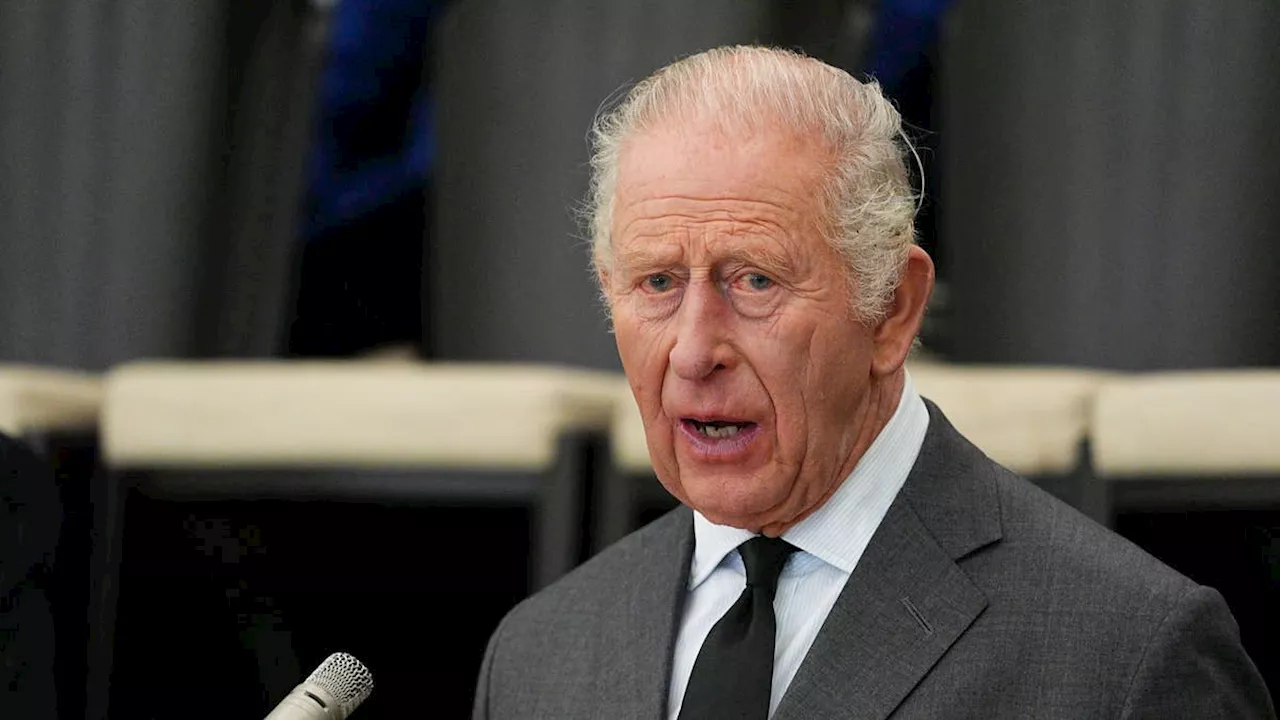
In 2026 , King Charles III revoked 15 prestigious honours following recommendations from the independent Forfeiture Committee. The removals targeted a diverse group of individuals, ranging from former politicians to international athletes, due to criminal convictions and professional misconduct.
The 15 names losing their post-nominals in 2026
The list of those stripped of their decorations in 2026 includes high-profile figures such as former Democratic Unionist Party politician Jeffrey Donaldson and international rugby star Stuart Hogg. According to the report, eight individuals lost their awards specifically due to criminal convictions, including Ian Ashbolt, Lloyd Hamilton, Paul Rose, and Graham Trewhella. Other names on the list of those convicted include Stuart Hogg, Jeffrey Donaldson, Ian Hudson, and Charles Montegriffo.
Beyond criminal matters, the King also revoked honours for those deemed to have brought the system into disrepute, such as Angela Middleton, Anant Shah, Maqsood Ahmad, and Nirpal Riat. When these honours are removed, the recipients are legally barred from using post-nominal letters like OBE or MBE and must return all physical insignia, such as medals or badges, to the House of Lords or the Crown Office.
From 1979 spies to the 2025 Epstein-linked royal dispute
This wave of revocations follows a long history of the monarchy using forfeiture to protect the integrity of the honours system. The report notes that in 1979,the knighthood of Anthony Blunt was stripped after his role as a Soviet spy was revealed.. Similarly, Queen Elizabeth II revoked the CBE of entertainer Rolf Harris in 2015 following his convictions for indecent assaults.
More recently, the precedent for high-level revocation was set in 2025 when King Charles III stripped his own brother of royal titles and military associations.. This move was reportedly linked to legal disputes involving the Jeffrey Epstein affair. These historical parallels suggest that the current purge is part of a consistent effort to ensure that those celebrated by the nation reflect its highest moral standards.
The role of the Forfeiture Committee in stripping medals
The process of stripping an honour is a deliberate, multi-step procedure managed by the independent Forfeiture Committee. This committee, which operates separately from the government, gathers evidence and drafts formal recommendations for the sovereign. While the committee provides the groundwork, the report states that King Charles III holds the sole decision-making power to finalize a revocation.
The committee reviews cases based on several criteria, including criminal convictions, severe professional censure,or conduct that casts the award in a negative light. Once the King approves a recommendation, the process moves into the enforcement phase, where the affected individuals must surrender their pyhsical honors to the relevant authorities.
The missing details behind the professional censures of Nigel O'Connor and Tony Reilly
While the report lists several individuals who faced professional discipline, it leaves significant questions regarding the exact nature of their misconduct. For instance, Nigel O'Connor, Tony Reilly, and Ben Key all received fines or professional censure from their respective regulatory bodies, but the specific details of these infractions remain unverified.
It is currently unclear which specific regulatory bodies issued these censures or what the exact nature of the professional failures were.. Furthermore,while the report identifies the individuals involved, it does not specify if there are ongoing investigations or if these disciplinary actions were the final word on their professional standing.
Comments 0