

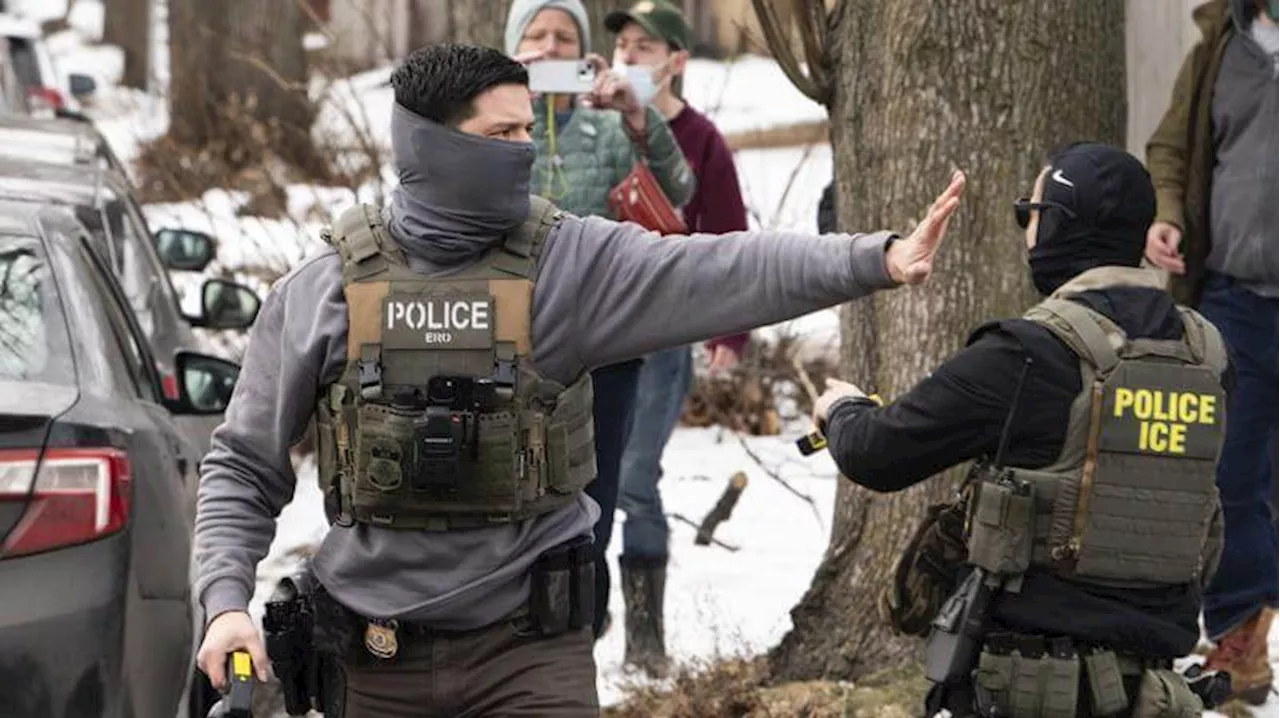
Federal prosecutors have officially charged 52-year-old ICE agent Christian Castro with a felony following a January shooting in Minneapolis. While the indictment marks a rare instance of the Justice Department charging its own, the legal proceedings have been mired in political delays and downgraded charges.
The felony charge for lying about the Minneapolis shooting
In January,Christian Castro allegedly fired shots through a closed door in Minneapolis, wounding Venezuelan national Julio Sosa-Celis. According to the report, Castro attempted to frame the incident as a self-defense struggle against individuals armed with broomsticks and shovels. However, video evidence eventually surfaced that directly contradicted his version of events.
As a result, federal prosecutors have charged Castro with making false statements, a class D felony. While this is a significant legal step, the charge focuses on his dishonesty rather than the physical violence of the shooting itself.. This case establishes a rare precedent where immigration agents may face federal prosecution for breaking the law, rather than just state-level scrutiny.
Why "Main Justice" blocked more serious civil rights charges
The severity of the legal consequences for Castro has become a major point of contention within the Department of Justice. Assistant U.S. Attorney Matthew Evans reported that his team originally intended to pursue "deprivation of rights under color of law" charges, which would have carried much heavier prison sentences.
According to the report, unnamed leaders within "Main Justice" intervened to insist the charges be reduced to the single count of making false statements. Evans reportedly expressed his strong opposition to this decision, noting that he fought the downgrade in the strongest possible terms, but was ultimately overruled by his superiors.
How Governor Greg Abbott's delay let Castro walk free
The path to these federal charges was complicated by a high-stakes political battle in Texas. After Castro was apprehended, Texas Governor Greg Abbott allegedly delayed the extradition process to Minnesota for over three months. This delay reportedly allowed a 90-day incarceration limit to expire, leading to Castro's release from a Texas jail on August 27.
This standoff between Minnesota and Texas officials has turned a standard legal procedure into a broader cultural conflict. While Minnesota prosecutors sought to compel the extradition, a federal judge eventually ruled that Governor Abbott was under no obligation to act, effectively allowing the agent to walk free.
The unanswered question of Castro's potential flight to Mexico
The most pressing question remains the current location of Christian Castro, as his whereabouts are currently unknown. There are significant concerns that the former agent may attempt to leave the country to avoid prosecution.
Court filings from Minnesota suggest that while in custody, Castro engaged in "monitored conversations" with a woman located south of the border. The report notes that these filings even claim he had discussed plans to marry her and purchase a home in Mexico upon his release. Whether Castro is currently a fugitive or simply waiting to surrender remains a mystery that federal authorities have yet to resolve.
Comments 0