

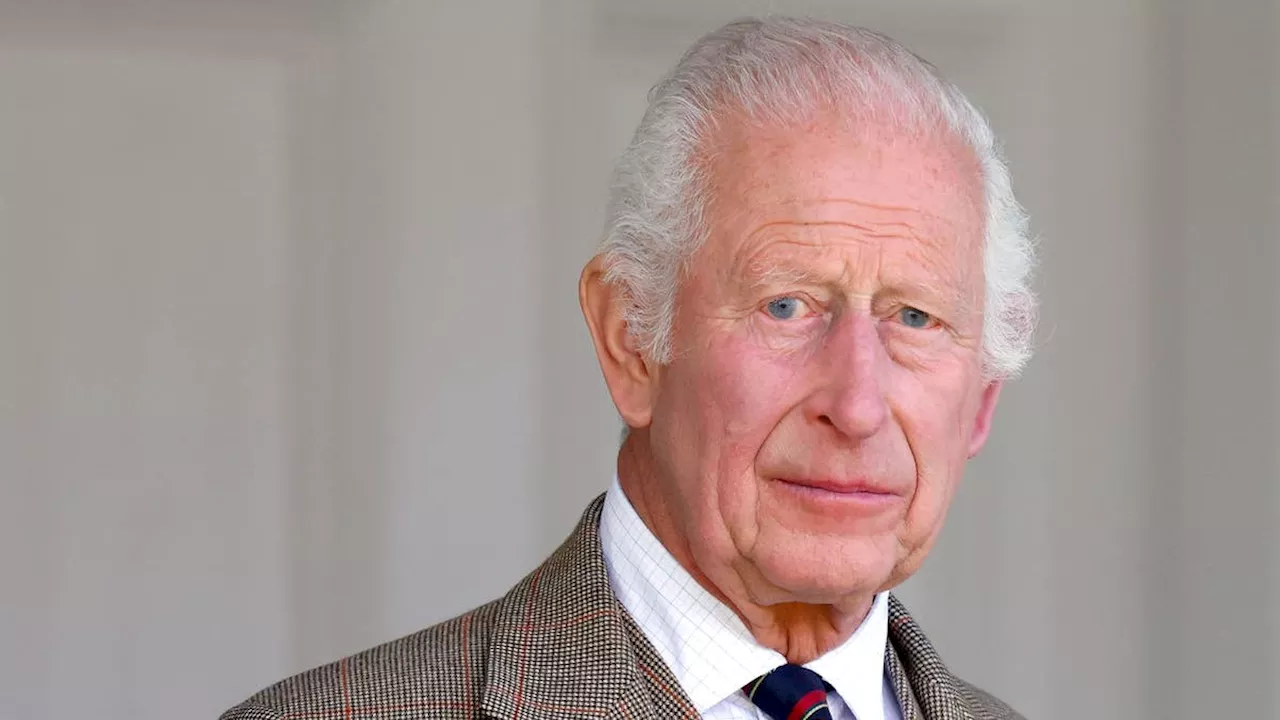
King Charles III is hosting a high-stakes forum at Dumfries House this Thursday to address the rapid evolution of artificial intelligence. The gathering brings together industry giants and government officials to establish ethical guidelines for the technology's future.
The heavy hitters: NVIDIA, OpenAI, and Google DeepMind at Dumfries House
The attendee list for the Dumfries House forum reads like a "who's who" of the modern tech landscape. Representatives from industry leaders including NVIDIA, Google DeepMind, OpenAI, and Anthropic are set to participate in the discussions. As the report notes, the event is being facilitated by The Ditchley Foundation,which aims to foster dialogue between the architects of AI and the public interest.
The presence of these specific companies is significant because they represent the entire AI stack—from the hardware power of NVIDIA to the large language models developed by OpenAI and Anthropic. By bringing these specific players together, the forum attempts to address the technology at its most foundational level. The UK's Minister for Artificial Intelligence, Kanishka Narayan, will also be in attendance to provide a governmental perspective on how these private innovations intersect with public policy.
Comparing the AI revolution to the splitting of the atom
King Charles III has frequently used his platform to advocate for technological safety and ethical oversight. In a prepared speech for the event, the King is expected to express deep concern regarding the sheer speed at which AI is developing. He has previously likened this technological shift to historic milestones such as the discovery of electricity or the splitting of the atom.
This comparison places the current AI era in a category of transformative, potentially volatile power. By framing AI alongside the atomic age,the King is signaling that this is not merely a new software update, but a fundamental shift in how human civilization functions. This perspective aligns with his previous advocacy at the 2023 Global AI Safety Summit , where he urged developers to ensure technology remains a tool for human progress rather than a mechanism for control.
Seeking a moral compass with the help of papal advisor Paolo Benanti
A unique element of this summit is the focus on the intersection of technology and human dignity. To facilitate this, the forum includes papal advisor Paolo Benanti, suggesting that the conversation will extend into the realm of ethics and moral philosophy. The goal, according to the report, is to develop a shared set of principles that prioritize human dignity and environmental protection.
This focus on "human dignity" is a crucial pivot for a tech industry often criticized for prioritizing growth at any cost. The inclusion of religious and ethical advisors suggests a move toward a more holistic view of technology—one that considers the psychological and social impact on individuals. The forum aims to mitigate the security risks and ethical dilemmas that arise when algorithms begin to make decisions that were once the sole province of human judgment.
Will these principles actually change how Anthropic and OpenAI operate?
Despite the high profile of the attendees, several critical questions remain unanswered by the current reports. It is not yet clear whether the principles developed at Dumfries House will be legally binding or if they will serve as mere voluntary guidelines for companies like Anthropic and OpenAI. Without a mechanism for enforcement, there is a risk that the summit remains a symbolic gesture rather than a regulatory turning point.
Additionally, the specific "security risks" mentioned in the briefing have not been detailed. It remains to be seen whether the discussion will focus on cybersecurity, the spread of misinformation, or the existential risks often debated by AI researchers. Finally, while environmental protection is a stated goal, the forum has not yet outlined how it will hold massive data centers—which require immense energy—accountable to these new standards.
Comments 0