

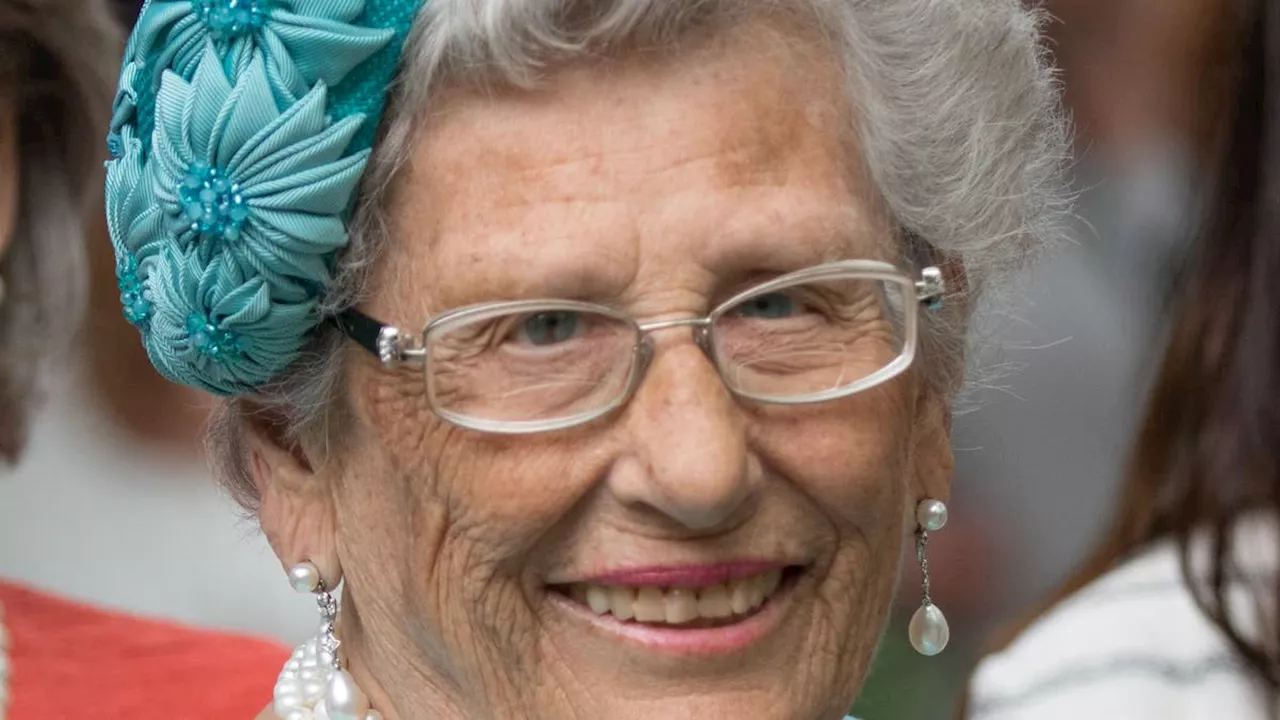
Princess Astrid of Norway passed away on Friday, September 11, at the age of 94. Her death comes shortly after the state funeral of her younger brother, King Harald, leaving the Norwegian royal family in a state of profound grief.
The 22-year-old who became Norway's First Lady
Princess Astrid's role within the Norwegian monarchy was defined by a quiet, steadfast dedication that often mirrored the duties of a reigning consort. According to a statement from the Palace, Princess Astrid had to assume the responsibilities of First Lady at the age of 22 following the death of her mother, Crown Princess Märtha. This transition occurred during a period when the royal family required a stabilizing female presence, especially as her older sister, Princess Ragnhild, had moved to Brazil.
This pattern of royal women stepping into essential, yet often under-recognized, support roles is a recurring theme in European moarchies. For decades, Princess Astrid served as the primary companion to her father, King Olav, during official duties. Her commitment to the most vulnerable members of society and her infectious spirit made her a beloved figure, leading the Norwegian government to grant her a pension in 2002 in recognition of her lifelong service.
Why agnatic primogeniture kept Princess Astrid from the throne
Despite her central role in the public eye, Princess Astrid was never in the line of succession. As reported in the source, this was due to the rules of agnatic primogeniture, which restricted the throne to male heirs.. While Norway eventually updated its laws to allow for gender equality in succession, the changes were not applied retrospectively, meaning the middle child of King Olav and Crown Princess Martha remained legally excluded from the crown.
This legal technicality highlights the rigid patriarchal structures that governed 20th-century royalty. While Princess Astrid never wore the crown, her influence was felt through her loyalty to the Royal House and her role as a pillar of support for her brother, King Harald, throughout his reign and final days.
A marriage to Olympic silver medalist Johan Ferner and five chhildren
Away from the strictures of palace protocol, Princess Astrid built a substantial family legacy. On January 12, 1961, she married Johan Ferner, an Olympic silver medalist. Together, the couple raised five children: Cathrine (born 1962), Benedikte (born 1963), Alexander (born 1965), Elisabeth (born 1969), and Carl-Christian (born 1972).
The couple's partnership lasted until Johan Ferner's death on January 24, 2015, when he passed away at the age of 87. In her later years, Princess Astrid remained spirited and engaged; during an interview for her 93rd birthday, she noted that while her legs were failing, her mind remained sharp, allowing her to stay involved in the affairs of the Royal House.
The 'rest and convalescence' that followed King Harald's funeral
The final public appearance of Princess Astrid took place at Oslo Cathedral, where she attended the state funeral of King Harald. Although she was unable to participate in the formal funeral procession, she made a point of paying her final tributes to her younger brother. Shortly thereafter, palace communications director Guri Varpe stated that the princess required "rest and convalescence" due to illness.
Several details regarding the princess's final days remain unclear. the palace has not disclosed the specific nature of the illness that led to her need for convalescence, nor is it known how much the physical toll of King Harald's funeral contributed to her decline. Furthermore, the source provides only the palace's perspective on her passing, leaving the specific timeline of her final health crisis largely private.
Comments 0