
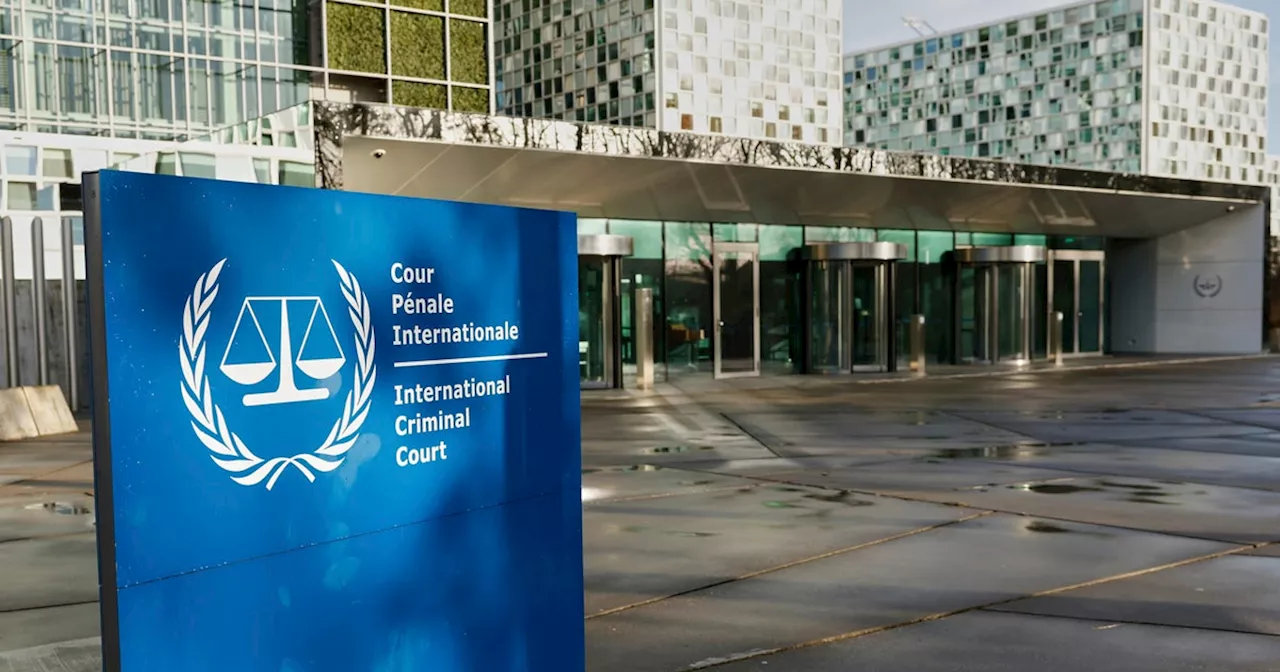
The United States has launched sanctions against the International Criminal Court (ICC) after arrest warrants were issued for Israeli officials,including Benjamin Netanyahu. This move follows the Nobel Peace Prize announcement for former ICC judge Navi Pillay.
A Nobel Peace Prize win for Navi Pillay amidst a legal crackdown
The Nobel Peace Prize committee awarded the prize to Navi Pillay on Friday,specifically noting that the honor serves as a reminder that international legal institutions are currently under "political attack." This recognition of Pillay, who served on the ICC’s Appeals Chamber from 2003 to 2008, highlights the growing tension between global judicial bodies and powerful nation-states.
The tiing of the Nobel announcement provides a heavy backdrop to the US decision. According to the report, ICC deputy prosecutor Nazhat Shameem Khan stated that the sanctions are intended to undermine international rule of law and the work of independent judicial institutions. Khan maintained that despite these pressures, the tribunal's investigations and prosecutions will continue.
Four general licenses from the US Treasury to protect ICC software and pensions
The US Treasury has issued four general licenses to mitigate some of the immediate fallout from the sanctions. As the report notes, these licenses allow for certain transactions related to ICC telecommunications,software, and pension payments, as well as those involving ICC detainees. This move provides a small buffer for the court's essential operations.
However, the broader goal of the US action is to restrict the resources available to the court by targeting the companies that provide its services. Typically, US sanctions bar all US-based companies from working with a sanctioned organization, which can force banks to shut accounts, insurers to end coverage, and software companies to halt cooperation. The US government has suggested that if the ICC does not address American concerns, it will continue to adjust these measures accordingly.
The clash over Benjamin Netanyahu and US soldiers in Afghanistan
Washington’s decision to target the ICC stems from its opposition to arrest warrants for Israeli Prime Minister Benjamin Netanyahu and a previous investigation into the conduct of US soldiers in Afghanistan.. The US government has characterized the court as "rogue," arguing that its actinos threaten American sovereignty. The report indicates that the US had delayed these sanctions in hopes that the ICC and its member states would address American concerns first.
This confrontation places the US at odds with many of its own allies. the ICC counts 125 countries as member states, including all EU countries and most members of the NATO alliance. The US has signaled that it expects these allies to rein in the court to protect the interests of their own servicemembers.
Will the EU use its "blocking mechanism" to shield member states?
A major point of uncertainty is whether the European Union will activate its "blocking mechanism" to protect its members from the reach of US law.. ICC registrar Osvaldo Zavala Giler has called for the EU to prepare for these extraterritorial effects, as the court is based in the Netherlands and includes all EU countries as members.
It remains unclear if the EU will step in to shield its countries from the economic impact of these sanctions or if the US will successfully isolate the court from its international partners. The effectiveness of the US strategy will likely depend on whether the 125 member states choose to negotiate or resist.
Comments 0