
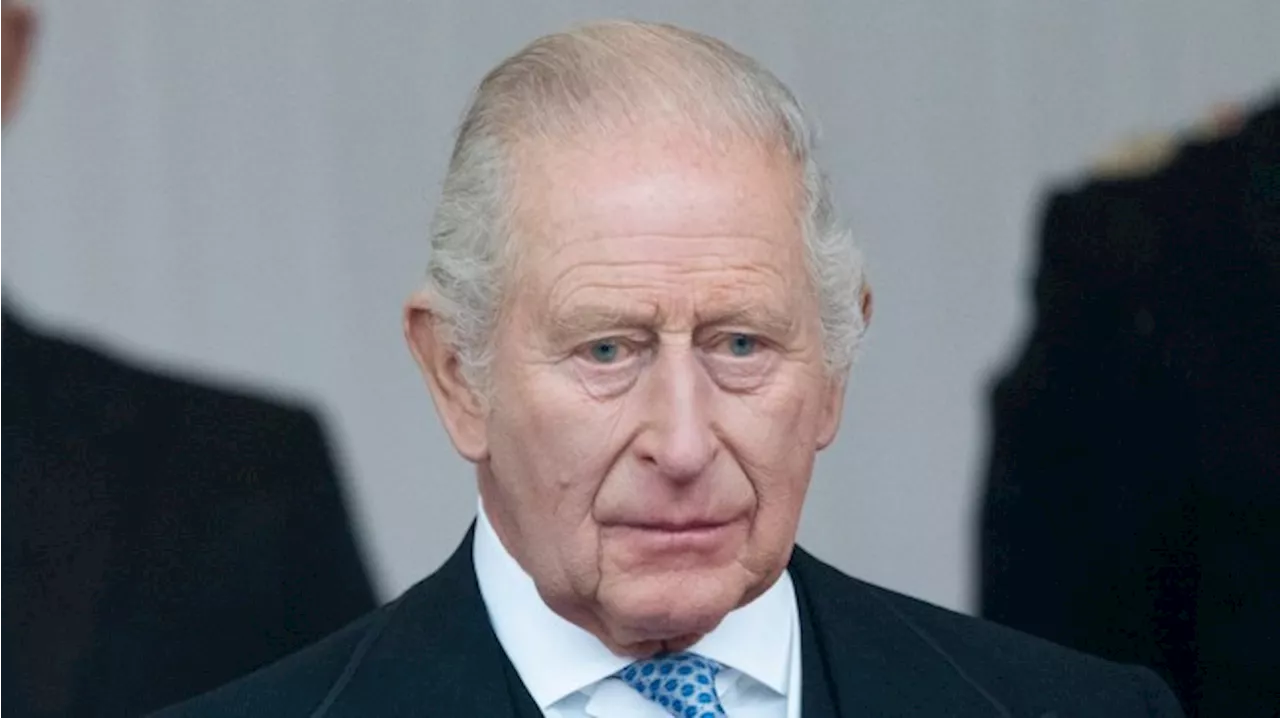
King Charles III is reportedly facing significant emotional distress while managing his own cancer treatment . Recent reports highlight his grief over a close friend's health and his continued dedication to public remembrance in Wales.
The 116 children of Aberfan and King Charles III's commitment to grief
Despite his own health struggles, King Charles III recently traveled to Wales to mark the 60th anniversary of the Aberfan disaster. This tragedy, which occurred on October 21, 1966, resulted in the deaths of 116 children and 28 adults when a colliery spoil tip collapsed onto Pantglas Junior School and nearby homes.
During the visit, King Charles III spent time with survivors and grieving families, delivering a speech that described the event as the most tragic of days imaginable. According to the report, the King praised the community's "inspiring grace" and resilience in the face of such overwhelming darkness, signaling his desire to remain a pillar of support for the public even as his own strength is tested.
Why Sir Ranulph Fiennes' Parkinson's diagnosis has left the King in 'agony'
While the public sees a working monarch, a more priivate heartbreak is unfolding regarding the health of Sir Ranulph Fiennes. As reported by StyleCaster, King Charles III is allegedly in "agony" over the fact that Sir Ranulph Fiennes has vanished from the public eye following a diagnosis of Parkinson's disease.
The bond between the two men is not a casual royal acquaintance; the report describes a friendship stretching back decades. This deep personal connection has made the news of the explorer's declining health particularly distressing for the monarch, who reportedly cares enormously for the veteran adventurer.
How King Charles III's own cancer battle fuels his empathy for others
The emotional weight of Sir Ranulph Fiennes' illness is compounded by the fact that King Charles III is currently battling cancer himself. This shared experience of fragility has reportedly shifted the King's perspective, leading to a profound desire that "no one in pain" should have to suffer alone.
This intersection of personal illness and external grief creates a poignant image of a monarch who is no longer just observing the suffering of his subjects, but experiencing the visceral reality of health decline .. The King's empathy is not merely ceremonial; it is rooted in a current, lived experience of medical uncertainty.
The 'closed door' between King Charles III and the Fiennes family
In an attempt to offer support, King Charles III reportedly tried to reach out to Sir Ranulph Fiennes and his family privately to express his concern. However, the report claims that the King was unable to connect with them, leaving him feeling as though the door had been "effectively closed."
This silence leaves several critical questions unanswered. It remains unclear why the Fiennes family has not responded to the monarch or if Sir Ranulph Fiennes is even aware of the King's attempts to communicate . Furthermore, the source does not clarify if this distance is a result of the Parkinson's diagnosis itself or a deliberate choice by the family to maintain absolute privacy .
Navigating the 'complicated relationship' with Prince Harry during a health crisis
These health and friendship struggles do not exist in a vacuum, as King Charles III continues to manage a strained and complicated relationship with his youngest son, Prince Harry. The pressure of balancing a cancer diagnosis with the emotional toll of family estrangement adds another layer of complexity to the King's current state of mind.
For the modern reader, the story of King Charles III is becoming less about the mechanics of the monarchy and more about the universal experience of aging,illness, and the fear of losing connection with those we love. The King's struggle to reach a friend mirrors the very family tensions he faces with Prince Harry, highlighting a recurring theme of isolation despite holding the highest office in the land.
Comments 0