

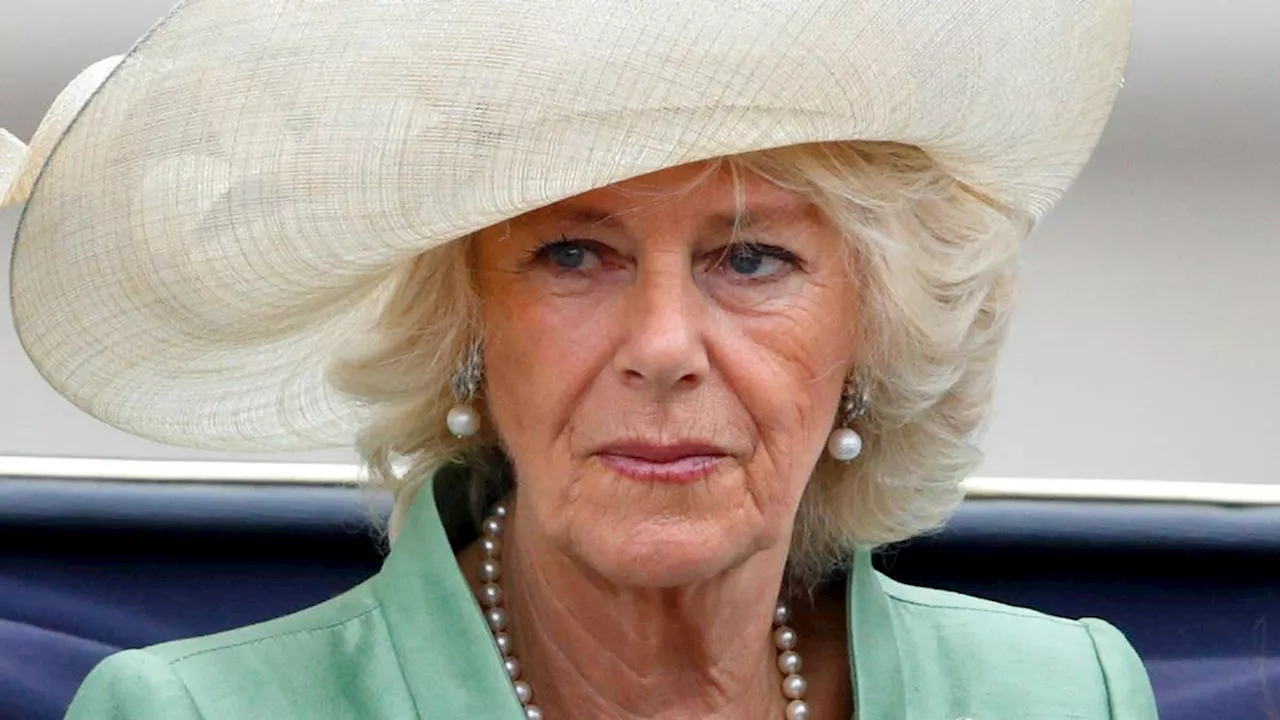
Queen Camilla has finally joined King Charles in Antigua and Barbuda after he completed the initial stages of his Caribbean tour. The Queen’s arrival on Saturday marked the end of the monarch's solo travels through the Bahamas and Guyana.
Why Queen Camilla’s fear of flying kept her from the early tour legs
Queen Camilla's delayed arrival in the Caribbean was a strategic decision intended to accommodate her personal comfort and physical well-being. According to Royal Editor Emily Nash, the Queen—who will turn 77 next year—finds long-haul travel and the intense tropical heat particularly draining. Nash noted that being out in temperatures exceeding 30 degrees all day can be exhausting for most people.
The decision to have the Queen join the tour midway allowed her to be present for the most significant events, such as the Commonwealth Heads of Government Meeting (CHOGM), while avoiding the more taxing, multi-stop flights required for the early legs of the trip. This approach ensures she can fulfill her duties at the major summits without the physiical toll of constant air travel.
A pattern of travel anxiety from Australia to 'This Morning'
Queen Camilla has a well-documented history of struggling with air travel. As reported by the source, Camilla previously had to leave an Australian tour early in April 2018 due to these same anxieties. At that time, a Clarence House spokesman noted that while the Queen does not like flying, she sometimes has to "embrace that fear."
This discomfort with flying is not a recent development. In January 2018, the Queen spoke openly about her anxiety regarding air travel during a visit to the ITV This Morning studios. during that appearance, she spoke with the show's resident therapists, the Speakmans, about her fears, highlighting that her relationship with flying has been a public matter for years.
Addressing 'the suffering of the past' amidst Bahamas protests
While the Queen was absent, King Charles managed the early stages of his Caribbean tour solo, navigating a complex political landscape. The King's visit has been described as particularly challenging due to ongoing calls for Britain to address its colonial history and provide reparations for slavery. During his time in the Bahamas, the King encountered vocal protests, though he also participated in celebratory traditions like the Junkanoo street parade.
The King’s solo itinerary also included a visit to Guyana, where he was offered a glass of 'Royal Welcome' rum on his first day. In his first major speech of the trip, the monarch acknowledged the "great suffering and injustices of the past" in the islands. however, a palace spokesperson reiterated that while the King acknowledges this history, it remains government policy not to apologize or agree to reparations.
The upcoming reparation discussions at the CHOGM summit
The royal couple is now converging in Antigua and Barbuda for the Commonwealth Heads of Government Meeting (CHOGM), which is scheduled to take place from November 1 to 4.. This summit, held in the capital city of St. John's, will be a focal point for discussions regarding the future of the Commonwealth and the sensitive issue of colonial legacies.
It remains to be seen how the monarchy will navigate the specific demands of the summit leaders during these meetings. While the King has acknowledged historical injustices, the source does not provide the specific perspectives of the protesters or the exact nature of the upcoming discussions regarding reparations. One question remains:how will the royal couple's presence at the CHOGM summit influence the formal discussions being held by Commonwealth governments in St. John's?
Comments 0