

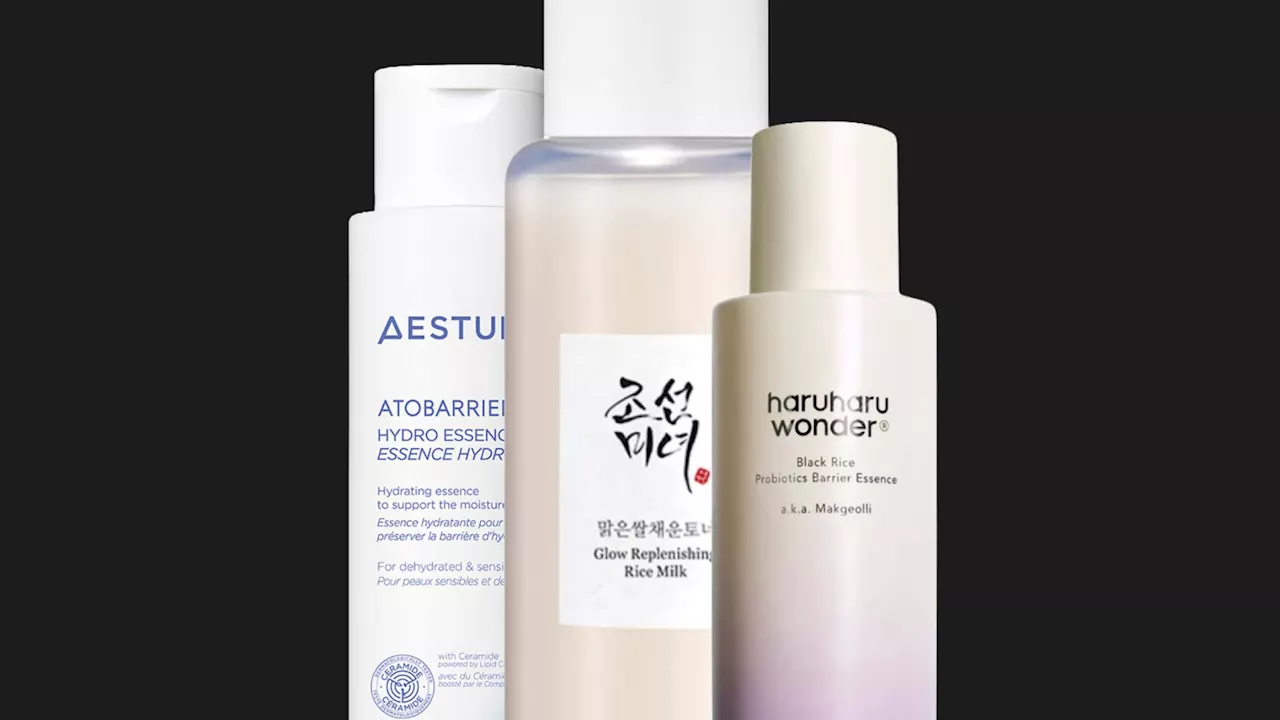
Skincare enthusiasts are increasingly incorporating Asian beauty staples like essences into their daily routines to boost hydration. According to a report from Stylist, these water-based liquids serve as a vital "primer" to help serums and moisturizers absorb more effectively.
Dr. Hall’s distinction between hydrating essences and pH-balancing toners
Understanding where an essence fits into a multi-step routine is essential for avoiding product overlap. As Dr. Hall, an emergency medicine and aesthetic doctor, notes in the Stylist report, the two products serve very different masters. While a toner's primary job is to restore the skin’s natural pH balance or sweep away leftover impurities, an essence is focused almost entirely on moisture replenishment.
An essence typically possesses a texture that sits somewhere between a watery liquid and a concentrated serum. Because they are designed to hydrate and prep the face, they act as a bridge between cleansing and treatment. Dr. Hall suggests that if your skin feels tight or dry immediately after washing, a hydrating essence is the ideal solution, whereas a clarifying toner might be better suited for those struggling with oily skin or clogged pores.
Why skipping cotton pads saves your Shiseido and Aestura products
How you apply your products can be just as important as the ingredients themselves. To maximize the efficacy of high-quality liquids, Dr. Hall recommends ditching the cotton pad in favor of your hands. Using a pad can lead to unnecessary product waste, as the material absorbs much of the expensive liquid before it ever reaches your face.
Instead, you should pat the essence gently and directly onto your skin using clean hands. This method is patricularly effective for products like the Aestura Hydro Essence, which is loaded with barrier-supporting ingredients like glycerin, squalane, and amino acids. By using your hands, you ensure that these hydrating components are pressed into the skin, providing a more effective antidote to dryness.
The rice extracts and AHAs powering the Beauty of Joseon trend
The global surge in popularity for K-beauty and J-beauty is driven by a shift toward ingredient-led, traditional formulas. Brands like Beauty of Joseon have become staples in the digital skincare conversation by blending traditional herbs and rice extracts with modern actives like AHAs and clay to regulate oil and target pores.
This trend toward nourishment is also seen in brands like Haruharu Wonder, which utilizes ceramides, fatty acids, and polyphenols to bolster the skin barrier . Even luxury-leaning options like Shiseido are tapping into this desire for radiance. For those seeking an antioxidant boost, the Then I Met You essence uses berry extracts, a 5% concentration of niacinamide, and polyglutamic acid to target thirsty, dull complexions.
What the report omits regarding acne-prone skin and luxury pricing
While the expert advice provides a clear roadmap for hydration, there are still several practical gaps in the current reporting.. For instance, while the distinction between oily and dry skin is made, there is little specific guidance on how these essences interact with heavy-duty acne treatments or whether they might exacerbate certain types of breakouts.
Furthermore, the report highlights a wide range of brands—from the high-end Shiseido to more accessible K-beauty names—but does not provide a comparison of the cost-per-use or the long-term value of these different tiers. For the budget-conscious consumer, knowing whether a luxury essence truly outperforms a more affordable rice-based alternative remains an open question.
Comments 0