

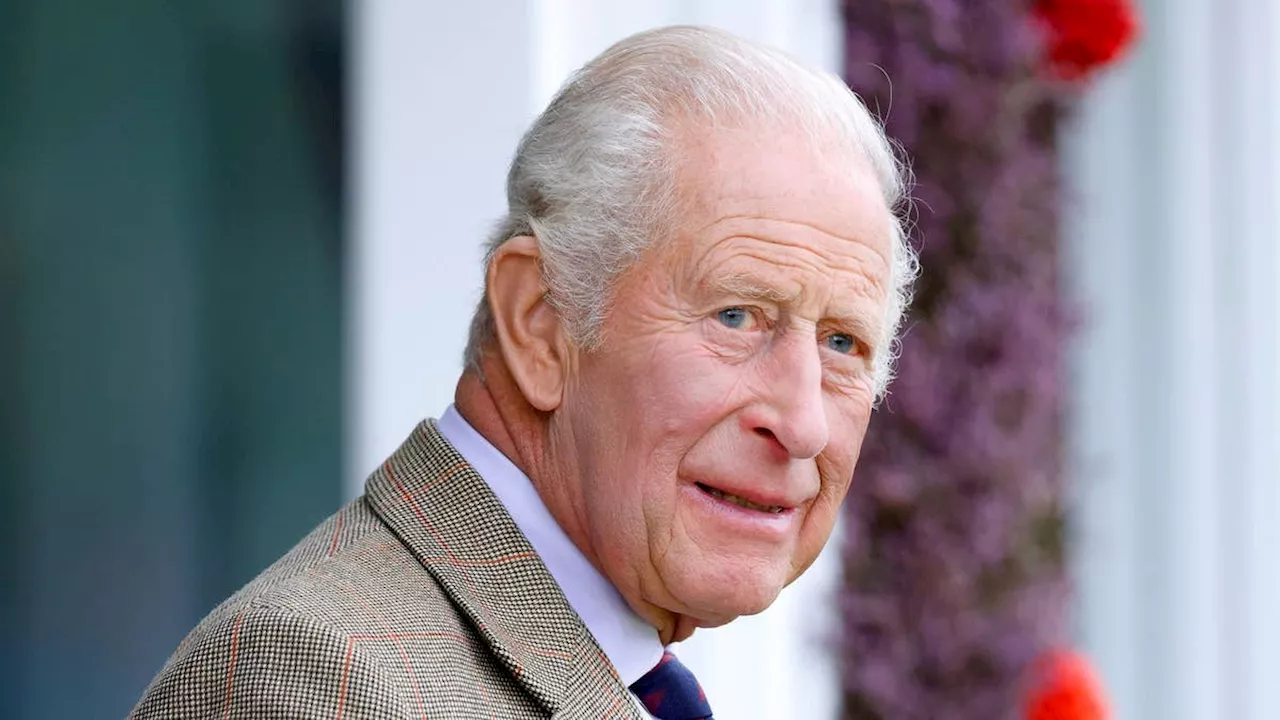
A delegation from Jamaica and other former British colonies is visiting the UK to petition King Charles III for reparations related to the transatlantic slave trade. The group is specifically requesting that the monarch refer the legal question of Britain's duty to provide redress to the Judicial Committee of the Privy Council .
Why the Judicial Committee of the Privy Council is the key to Caribbean reparations
The Caribbean envoys are not merely seeking a symbolic apology but a legal determination on whether the United Kingdom has a statutory obligation to provide compensation. According to the report, the delegation is asking King Charles III to refer their claims to the Judicial Committee of the Privy Council (JCPC), which would examine the matter under section four of the 1833 Act.
While the King is the head of state for Jamaica,a Buckingham Palace spokesperson clarified that the decision to make such a referral is not a personal one for the monarch. The process requires the petition to be lodged directly with the Judicial Committee to determine if the legal criteria for referral are met. This move signals a shift from diplomatic requests to a formal legal strategy aimed at securing a "long outstanding settlement" for the descendants of enslaved people.
Olivia Grange’s claim that Britain paid slave masters until 2015
The moral urgency of this petition is underscored by the testimony of Olivia Grange, Jamaica's Minister for Culture, Gender, Entertainment and Sport. As the report indicates, Grange asserted that until 2015, Britain continued to make payments to the descendants of slave masters, based on the historical premise that enslaved people were considered property.
This claim places the current reparations movement within a broader historical trend of systemic financial injustice. For Pembece readers, this highlights a jarring contrast: while the modern world discusses social equity and "decolonizing" spaces, the financial legacies of the 1833 abolition—where the British government compensated the owners rather than the enslaved—continue to cast a shadow over the Commonwealth's current relations.
The battle for Jamaican artifacts held at the British Museum
Beyond financial compensation, the delegation's mission includes a fight for cultural restitution. Minister Olivia Grange is scheduled to meet with officials at the British Museum to discuss the return of artifacts that were removed from Jamaica during the colonial era.
This effort mirrors a global movement where former colonies are demanding the return of ancestral heritage from European institutions. The intersection of financial reparations and the return of physical history suggests that the Caribbean nations view the "wrongs of the past" as a dual theft of both labor and identity, requiring a comprehensive response from the British state.
What the November Commonwealth meeting in Antigua means for the monarchy
The momentum of this petition is expected to carry over into the Commonwealth heads of government meeting in Antigua this November, which King Charles III is scheduled to attend. This meeting, alongside planned Royal visits to The Bahamas and Guyana, will likely serve as a high-pressure enviroonment for the King to address the "painful aspects" of the imperial past he mentioned in a 2024 speech.
However, several critical points remain unverified or unanswered. It is still unclear exactly how the Jamaican government intends to quantify the "redress" they are seeking, and the report does not specify which other Caribbean nations are joining Jamaica in this specific legal petition to the JCPC. Furthermore, while the Palace expresses a commitment to "learning lessons," it remains to be seen if the British government will support a legal pathway that could lead to massive financial liabilities.
Comments 0