
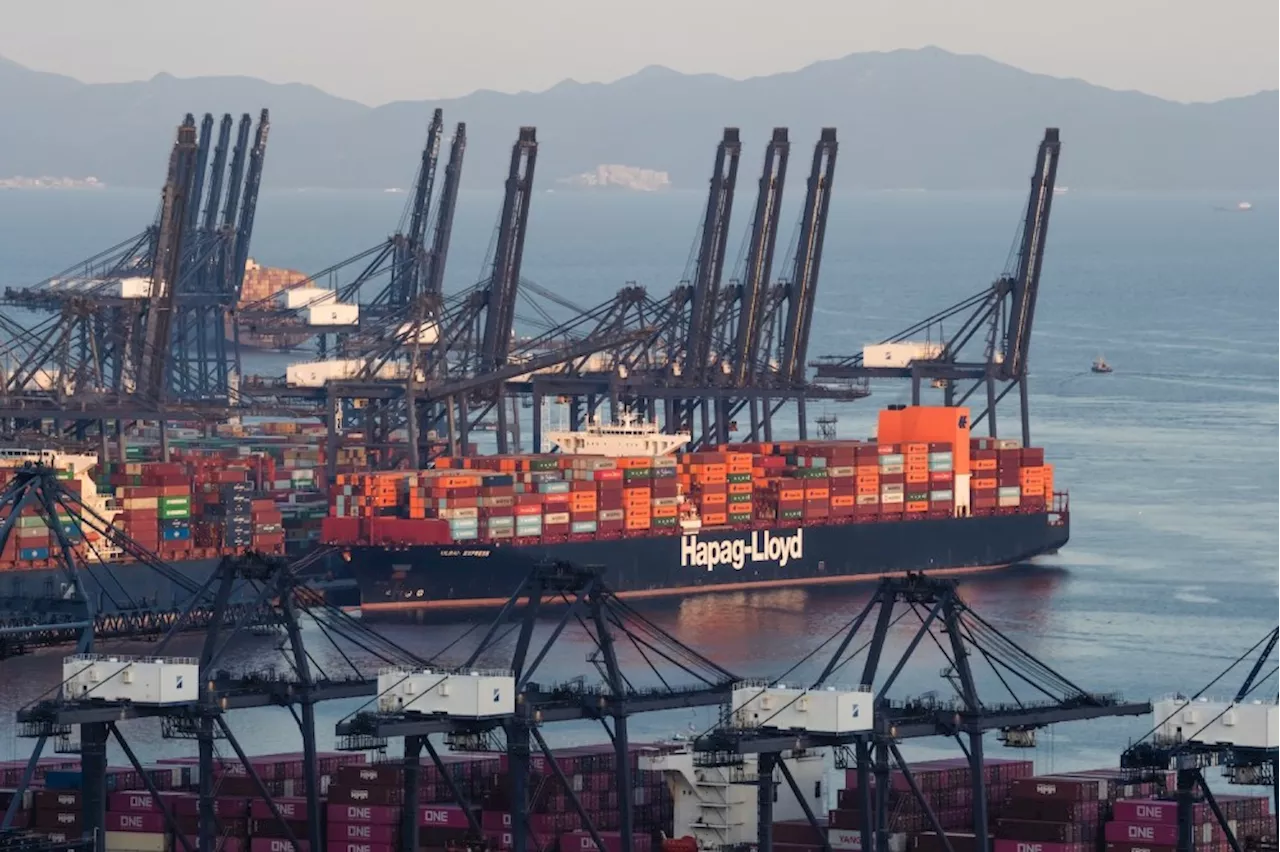
German shipping giant Hapag-Lloyd recently increased its 2026 earnings forecast due to rising freight rates. However, the company's attempt to acquire the Israeli carrier ZIM has stalled following a regulatory setback in Israel.
A jump to $4.4 billion in projected EBITDA
Hapag-Lloyd is currently benefiting from a surge in global market demand and elevated freight rates. According to the report, the German carrier has raised its full-year earnings guidance, now expecting group EBITDA to fall between $3.9 billion and $4.4 billion for 2026.
This upward revision follows a similar trend among major industry players. For instance , the report notes that Maersk raised its 2026 guidance earlier this year, while Ocean Network Express (ONE) also tripled its prior profit forecast. This industry-wide boost is supported by a massive spike in costs; the Drewry World Container Index shows that the average cost to move a 40-foot container has risen 135.3 percent since late February.
The $4.2 billion ZIM acquisition hits a regulatory wall
Despite the strong financial outlook, Hapag-Lloyd's ambitious plan to acquire the Israeli carrier ZIM is facing significant hurdles. The Israeli Government Companies Authority (GCA) recently ended its review of Hapag-Lloyd’s pending application after the company failed to meet a deadline for providing necessary details.
Hapag-Lloyd and its partner, FIMI Opportunity Funds, are now attempting to salvage the deal. As reported by the business publication Globes, the companies intend to present a finalized business plan and legal framework to Israel’s Finance Ministry within the next 45 days. The proposed structure maintains a $4.2 billion price tag but aims to better address national security and supply chain resilience.
Why a 33-page position paper is stalling the deal
The opposition to the merger is coming from high within the Israeli government. The Finance Ministry recently sent a 33-page position paper to the GCA, recommending against the approval of the current deal structure. The ministry expressed concerns that the existing agreements do not adequately address material risks.
One of the most striking claims in the ministry's document is that the "New ZIM"—the entity created through the carve-out of Israeli container business—has a "low probability of success" as an independent, competitive company. this political resistance is a critical factor, as state opposition is the primary way the deal can fail without Hapag-Lloyd being forced to pay a $160 million termination fee.
The 22% question: Will Saudi and Qatari funds trigger security concerns?
A major unanswered question remains regarding the influence of foreign capital on Israel's maritime infrastructure. The current deal structure could see public funds from Qatar and Saudi Arabia owning more than 22 percent of the company's shares, a prospect that has hardened opposition from government officials.
It remains to be seen if Hapag-Lloyd can restructure the ownership to comply with Israel's "golden share" provision, which is designed to protect national interests in essential companies.. While the deadline for satisfying deal conditions is set for February 2027, the uncertainty surrounding foreign stakeholder involvement and the GCA's demand for "full detail" makes the timeline increasingly volatile.
Comments 0