
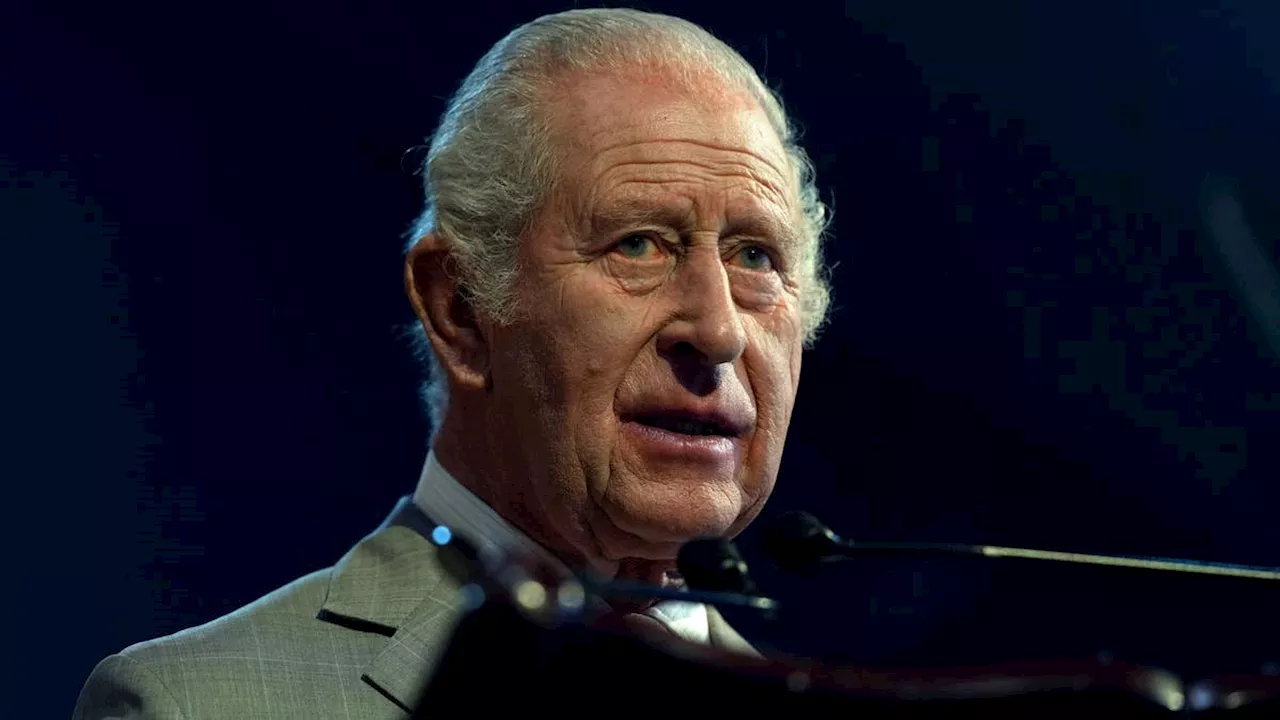
King Charles addressed Commonwealth leaders in Antigua on November 3, 2026, during the 28th Commonwealth Heads of Government Meeting. The monarch expressed deep regret for the historical horrors of slavery while simultaneously highlighting the United Kingdom's role in ending the practice.
The "profound personal sorrow" that stopped short of a formal apology
King Charles told leaders in Antigua that the wrongs of the past fill his heart with horror and his soul with "the most profound personal sorrow." However, as the report says, this sentiment may not be enough for several leaders who are demanding a formal apology from the UK. While the King's words were described as "perfect" by Andy Burnham, the speech remained strictly within the boundaries of current government policy.
The tension was palpable, as Gaston Browne, the Prime Minister of Antigua and Barbuda, has been vocal about his desire to remove the monarchy and secure reparations for the transatlantic slave trade. By avoiding a formal apology or a commitment to financial reparations, King Charles attempted to acknowledge the pain of the past without triggering a legal or political crisis for the British government.
The 17th and 18th-century research into the Royal Household's slave trade links
King Charles acknowledged that the monarchy's inheritance includes both achievements and failures, specifically nodding to the historic involvemennt of the Crown in the slave trade. According to the source, Buckingham Palace confirmed in 2023 that the Royal Household is supporting independent research into the British Monarchy's specific role in the transatlantic slave trade during the 17th and 18th centuries.
The King also used his speech to highlight the role of the Royal Navy in forcing an end to these atrocities. This reference to the Navy is seen as a personal touch, given that King Charles is a former mariner. By balancing the "unspeakable acts" of the past with the achievements of abolition, the monarch attempted to frame Britain as a nation that can learn from its failures.
A 34-engagement Caribbean tour conducted during cancer treatment
The diplomatic weight of the speech was compounded by the physical toll on the 77-year-old monarch. King Charles delivered his remarks with a huskier voice, following a grueling eight-day tour of the Caribbean that involved 34 separate engagements. This tour comes while the King is still undergoing treatment for cancer, adding a layer of stoicism to his public appearances.
Despite the physical strain , the King's presence in the region was designned as a "charm offensive" to stabilize the monarchy's relationship with former colonies. While he won over many crowds, including hundreds of cheering schoolchildren, the underlying legal minefield regarding reparations remains a volatile issue that the monarchy cannot resolve alone.
Using the 56 member nations to fight climate change and global inequality
King Charles framed the future of the Commonwealth not as a colonial relic, but as a modern partnership of 56 member nations. he argued that the organization must pull together to face contemporary threats, specifically citing the "catastrophic reality" of climate change, global conflict, and systemic inequality.
By shifting the conversation from the 18th century to the 21st, the King suggested that acknowledging the past and pursuing a shared future are not mutually exclusive. he used a sailing metaphor, noting that while the "winds of yesterday" cannot be commanded, the Commonwealth can choose how to set its sails for the future.
Why UK public opinion has cooled since Queen Elizabeth's final months
While King Charles may be winning hearts abroad, his standing at home is more precarious. as reported by the source, senior editor Jack Malvern notes that British public opinion toward the monarchy has cooled to levels not seen since the final months of Queen Elizabeth's reign.
This domestic dip in popularity creates a challenging backdrop for the King's international diplomacy. The contrast between his "foreign charm offensives" and the cooling sentiment within the UK sugests that the monarchy is struggling to find its new identity in a post-Elizabethan era, even as it attempts to reconcile with its colonial history.
Comments 0