
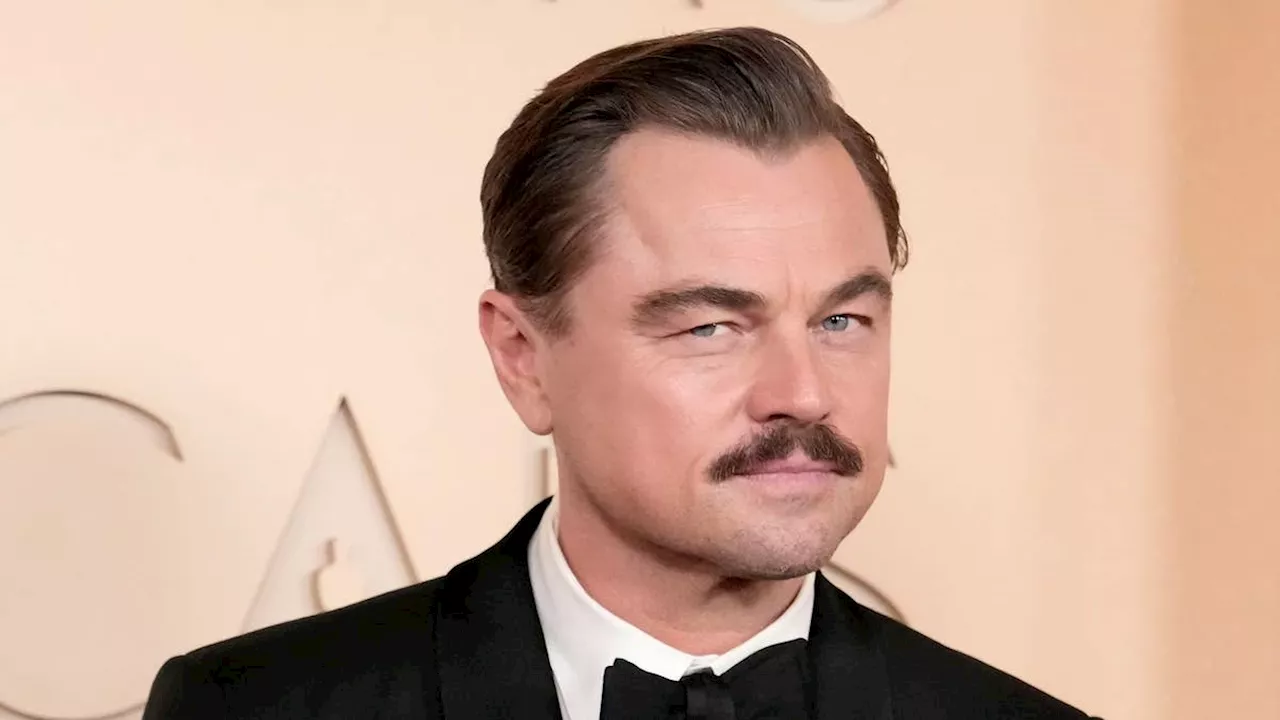
Leonardo DiCaprio has produced a documentary focusing on Juma Xipaia, an Indigenous leader who became Brazil's first Secretary of Indigenous Rights. Released on September 5, 2026, the film highlights Xipaia's transition from grassroots activism to a high-ranking government role.
Six assassination attempts and the fight against illegal gold mines
The documentary centers on the perilous life of Juma Xipaia, a fearless Indigenous chief who has survived six assassination attempts while defending her ancestral lands. According to the report, Xipaia has spent years confronting land-grabbers, multinational corporations, and illegal gold miners who threaten the biodiversity of the Amazon. the film provides a rare glimpse into the personal toll of this resistance, depicting the tension of her life as she balances activism with impending motherhood.
Adding a layer of internal conflict to the narrative, the film follows Xipaia's husband, Hugo, who serves as a federal agent. While Juma Xipaia navigates the political spheres of Brazil, Hugo is tasked with raiding the very illegal gold mines that her community fights against, illustrating the multifaceted battle for the rainforest from both a legal and grassroots perspective.
Juma Xipaia's appointment as Brazil's first Secretary of Indigenous Rights under President Lula
A central arc of the film is the historic political ascent of Juma Xipaia, tracing her journey from the front lines of activism to the halls of power. The documentary captures her landmark appointment as the first Secretary of Indigenous Rights under the administration of President Lula. This transition marks a significant shift in Brazil's approach to the Ministry of Indigenous Peoples, placing an actual Indigenous leader in a position to influence national policy.
By documenting this rise, the film underscores the possibility of systemic chagne when Indigenous voices are integrated into government structures. The narrative suggests that Xipaia's appointment is not just a personal victory, but a strategic move for the protection of the Amazon's vast ecosystem.
25 awards and a free release on YouTube for global access
Before its wider release, the film premiered at the Tribeca Film Festival, where it received critical acclaim and eventually secured 25 awards across 65 different film festivals. To ensure the message reached the widest posssible audience, the production team made the decision to release the documentary for free on YouTube. Juma Xipaia stated that this choice was intentional, aiming to let the story "cross borders" and "awaken consciences" without the barrier of a paywall.
Director Richard Ladkani emphasized that the story of Juma Xipaia is a global one, noting that the Amazon is the most important ecosystem on the planet. As reported, Ladkani believes the film serves as a necessary reminder to keep environmental issues at the forefront of global conversations, especially as authoritative regimes threaten to eclipse ecological concerns .
From the 2017 People's Climate March to World Amazon Day
Leonardo DiCaprio's involvement in this project is part of a long-standing commitment to environmentalism. The actor's history of activism includes marching with Indigenous groups during the 2017 People's Climate March and collaborating with then-Prince Charles in 2021 to highlight climate crises. By timing the release of the Juma Xipaia documentary for World Amazon Day, DiCaprio is leveraging his international platform to draw attention to a region that spans nine countries and is vital for the Earth's oxygen and rainfall cycles.
This project reflects a broader trend of high-profile figures using their production capabilities to amplify the voices of marginalized activists. Rather than centering himself, DiCaprio's role as a producer allows the lived experience of Juma Xipaia to take center stage, framing the Amazon's survival as a global necessity rather than a regional dispute.
What the film leaves out about the specific multinational corporations involved
While the documentary highlights the struggle against "multinational corporations," it remains unclear which specific companies are being accused of threatening Juma Xipaia's ancestral lands. The source does not name the corporate entities or provide details on the specific legal battles currently pending against them. Additionally, while the film celebrates Xipaia's appointment under President Lula,it is not clear how much legislative power the Secretary of Indigenous Rights actually wields within the broader Brazilian government bureaucracy.
Comments 0